Mary Gilmore, Director of Interior Design, was featured on StyleNation’s podcast, Hospitality Nations Episode 09: “Reimagining Hospitality in the New Normal.”
Listen along by clicking the link here through Spotify or Apple.


Mary Gilmore, Director of Interior Design, was featured on StyleNation’s podcast, Hospitality Nations Episode 09: “Reimagining Hospitality in the New Normal.”
At Campo Architects, we have some outstanding employees on our team. Throughout the year, we turn the spotlight on one of our team members responsible for bringing our designs to life. This month, get to know Architect, Kerry Soniat!
1. How has working at Campo Architects helped you in your career development?
I’ve been with Campo since I was a young intern, so the firm (especially John and Miriam) has played an critical role in my development. Being mentored by John on a design and also business level has really helped my understanding and relationship building with clients. Miriam is always challenging your thoughts on the design process, which has really helped me to strengthen my space planning abilities (which is one of my favorite tasks in our profession).
2. What advice would you give to people who hope to follow a career path similar to yours?
“No pain, no gain!” Often times we shy away from facing obstacles that make us uncomfortable, whether that be new risks with design decisions or even the hard conversations with colleagues, clients and consultants. I’ve learned over the years to actually embrace this uncomfortable feeling as much as possible. It’s the biggest catalyst for career growth.
3. If you could learn to do anything, what would it be?
High-Dive Jumping into a pool, like the Olympic Summer Sport. I’d have to conquer my fear of heights first, but the sport itself is stunning to me. It’s such a mesmerizing art-form that these people create!
4. What are your hopes for the future of the design industry?
With the pandemic, we are (of course) seeing a much higher trend in designing spaces that account for social distance flexibility and the inclusion of more sterile (easily cleanable) materials/environments. As a design industry, I hope we’re able to incorporate these requirements while still focusing on providing occupants with a socially comfortable end result. (Using the Jetson’s community as precedence is probably a good place to start, ha!)
5. What is something you learned in the last month?
The intricacies of Acoustical Testing and how to construct proper mock-up guestrooms for testing.
6. Describe a typical day for you.
The only typical part of my day is breakfast with my son. That’s the great part about being an Architect/Project Manager and being able to wear several different hats at Campo. No day is ever the same. It’s hard to get bored in this field: from creating a space plan for a new project, discussing new design ideas with Owners, figuring out how to integrate an uncovered historic terrazzo floor into your restaurant space, coordinating a crazy structural transfer beam with consultants, resolving an unforeseen site condition with a General Contractor, to detailing a new canopy. There is no real “typical day.”
7. What are your thoughts on working from home?
I have a love hate relationship with it. I’d much rather talk and collaborate with people in person. It takes extra effort to pick up the phone or jump on a Zoom meeting. I miss just being able to walk over to someone else’s desk to get their input and opinion. However, it’s also provided me opportunities to do things in my personal life that I was not able to do with my commute to downtown. Being able to take my dog for a walk at lunch or pick up my son from school have been really big bonuses for me. The work-life balance that everyone is always hoping to achieve is better for me with this flexible scenario.
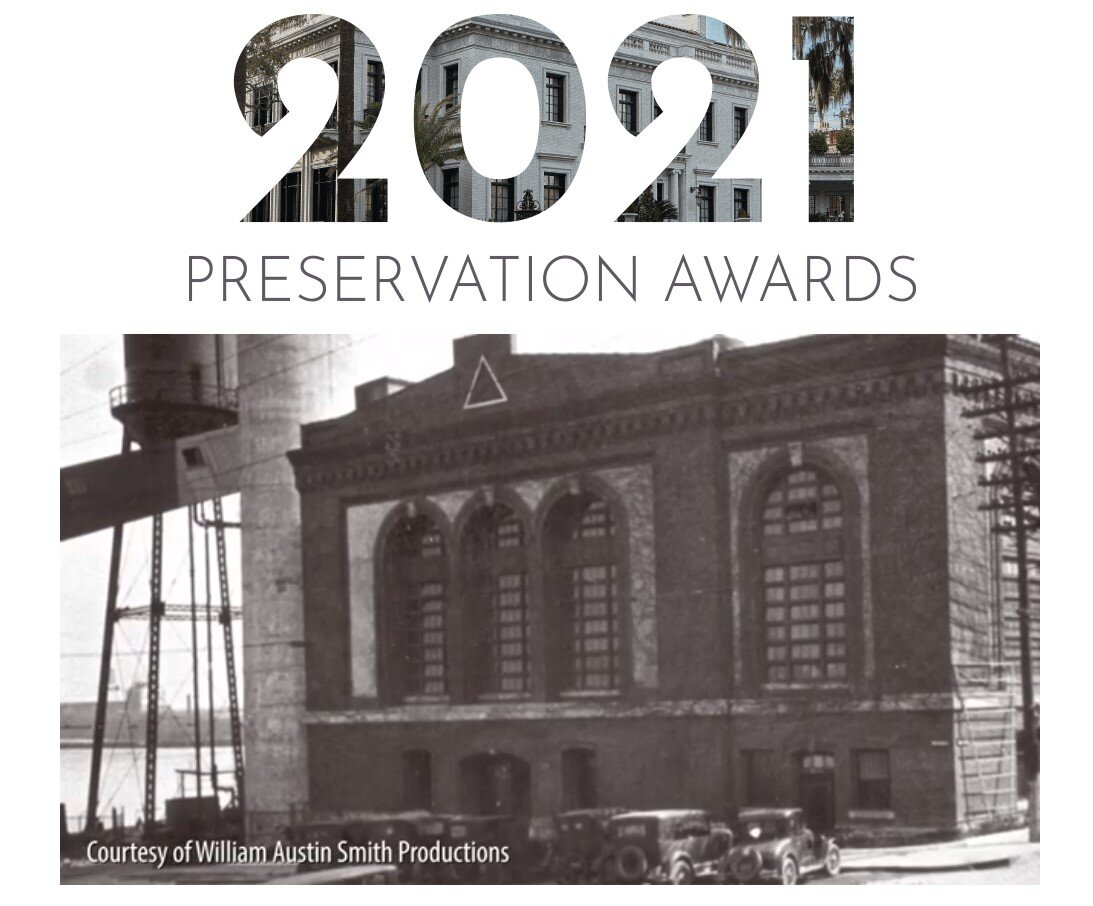
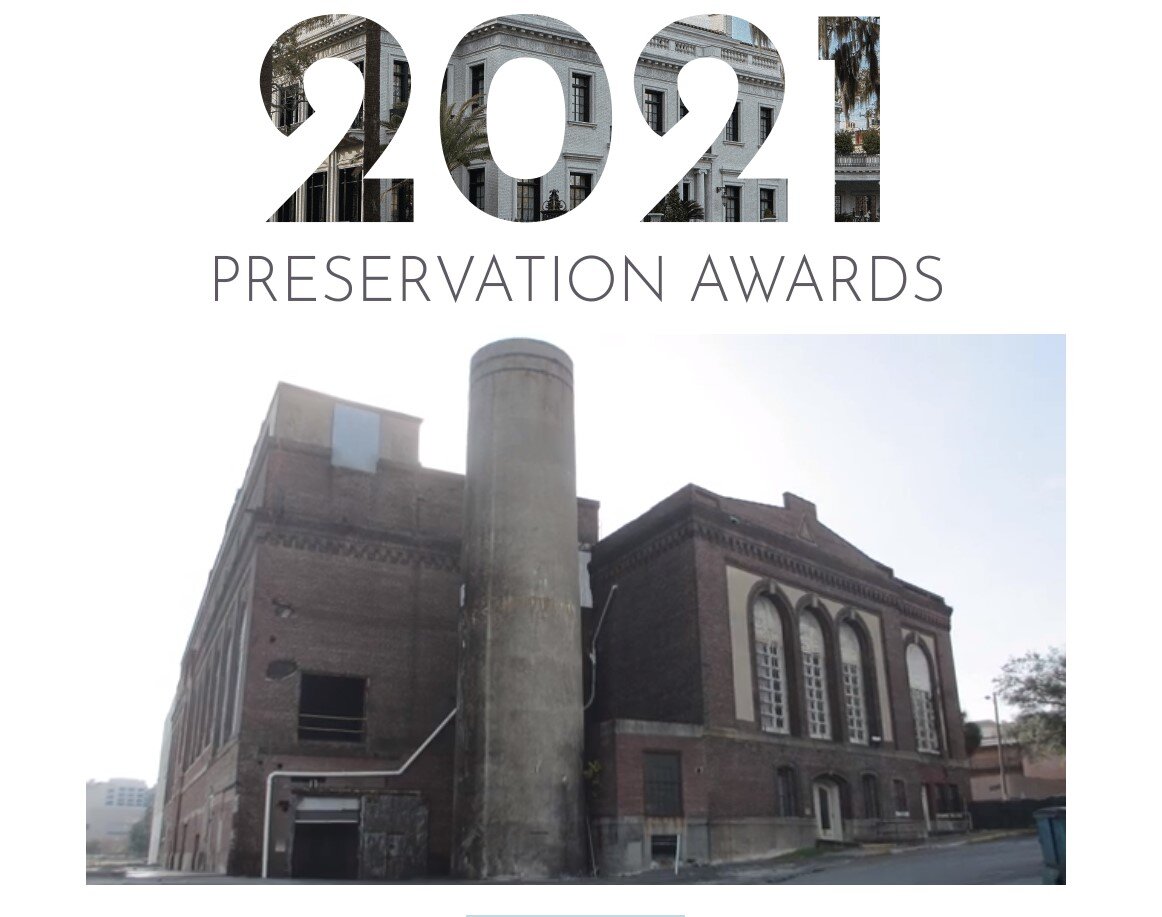
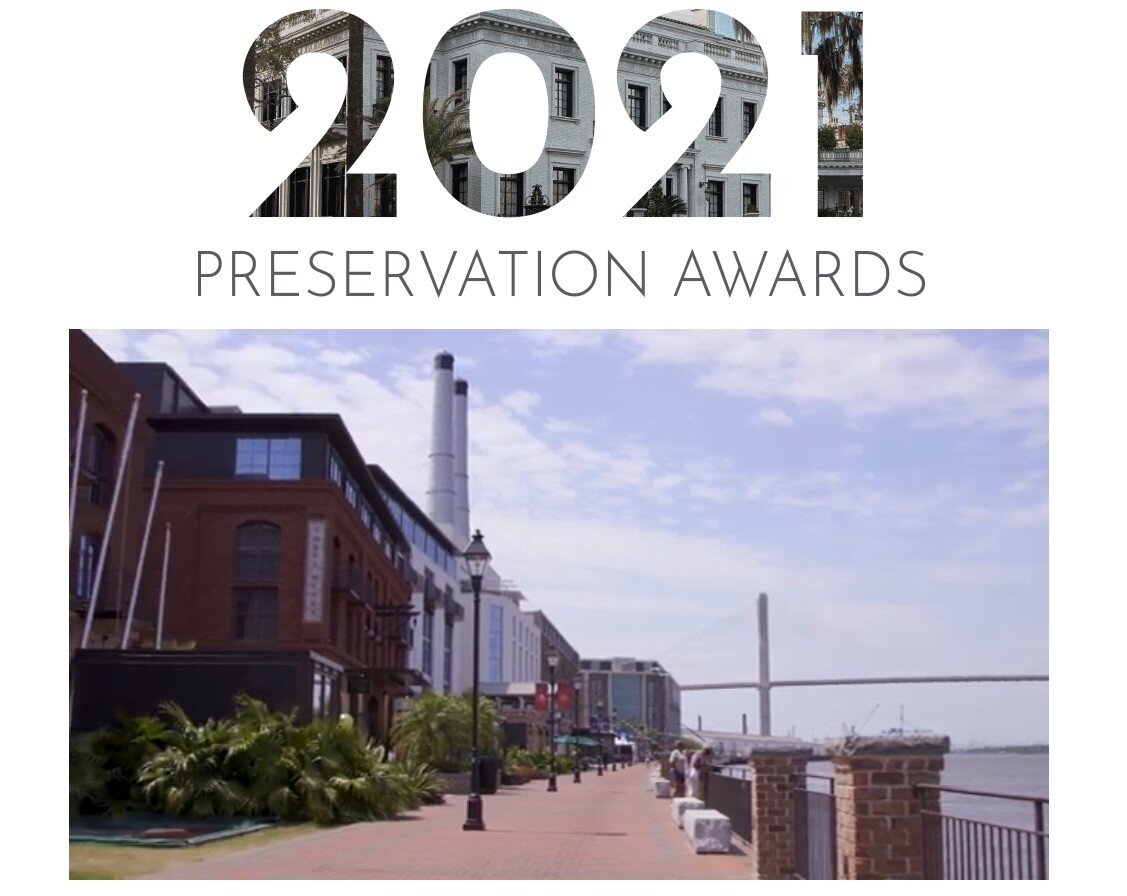
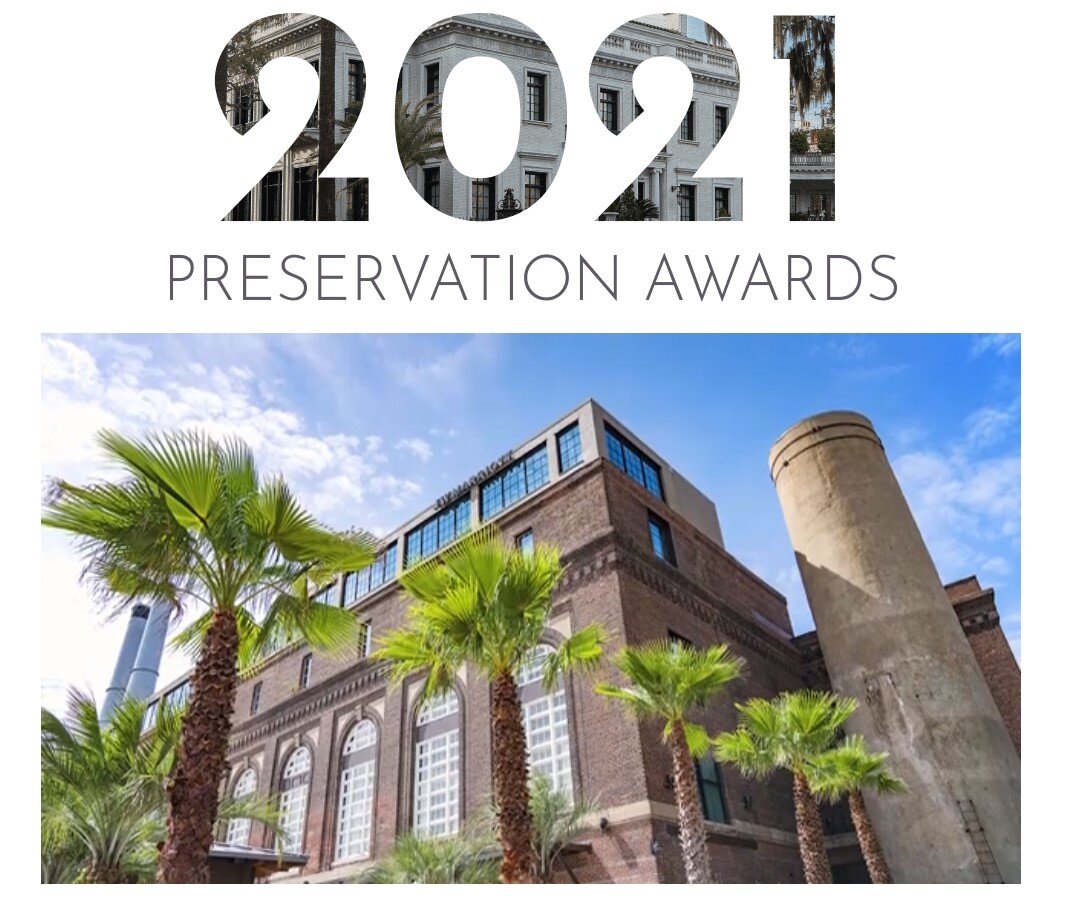
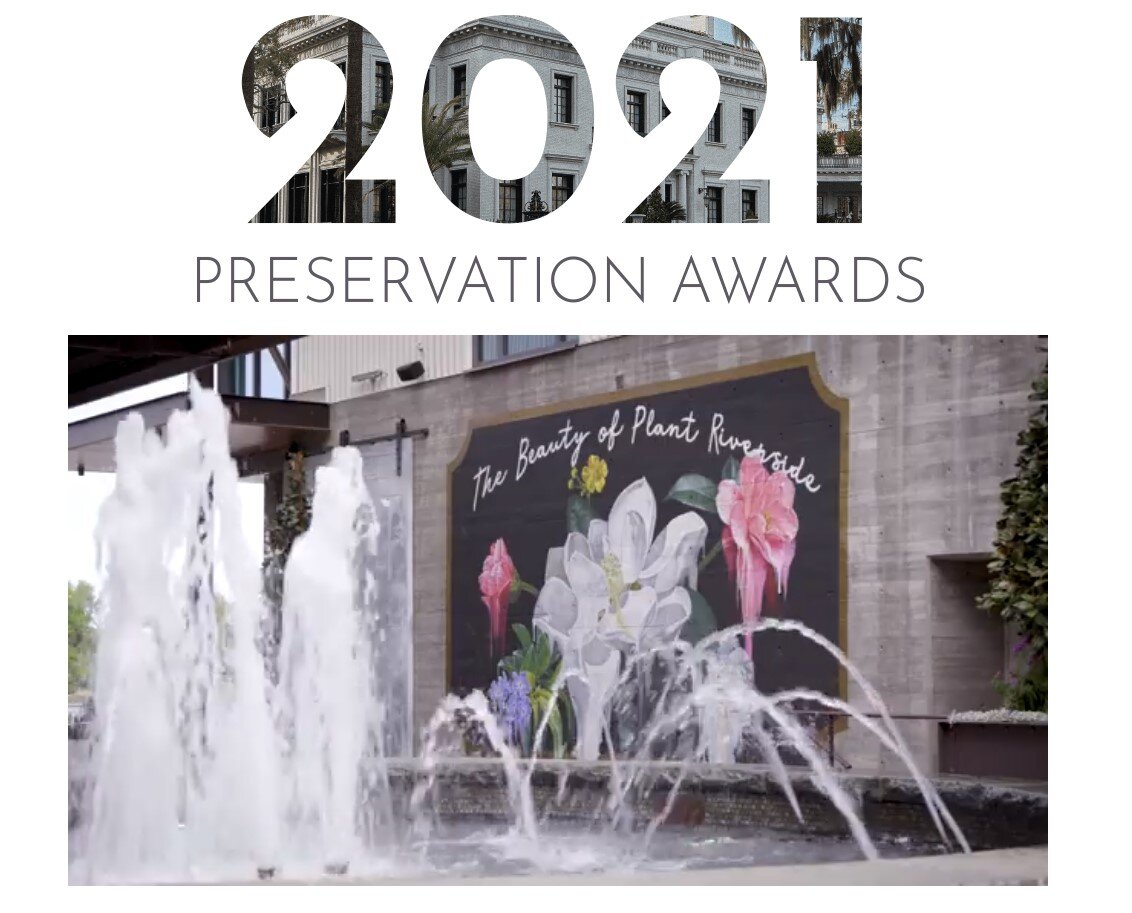
Last night, Plant Riverside (400 West River Street) was recognized as a recipient of the 2021 Preservation Award by the Historic Savannah Foundation.
“Plant Riverside is a significant urban design and industrial rehabilitation project on the northwest corner of Savannah’s National Historic Landmark District that reestablishes key connections between the city and the river that have been lost for a hundred years.
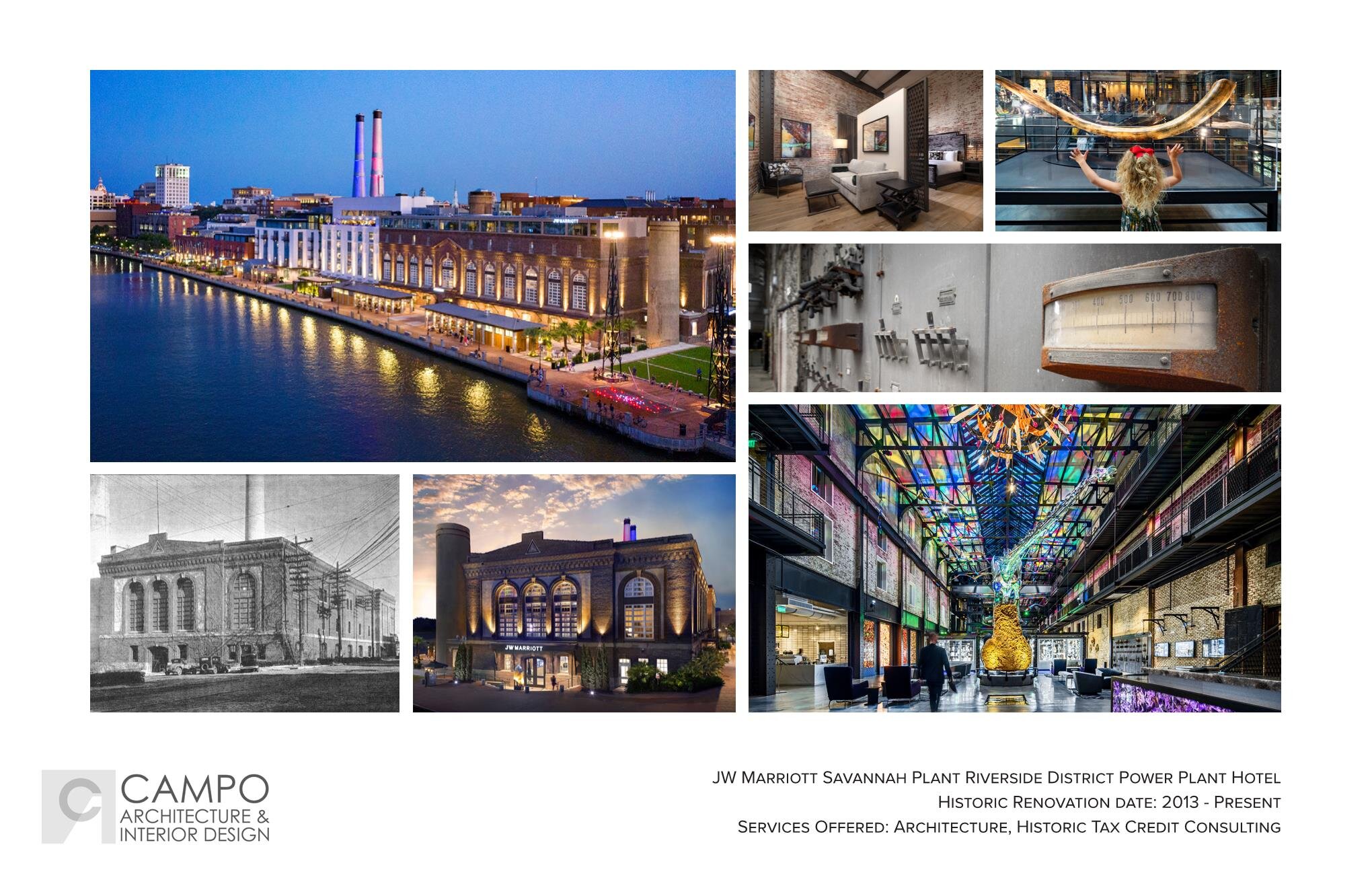
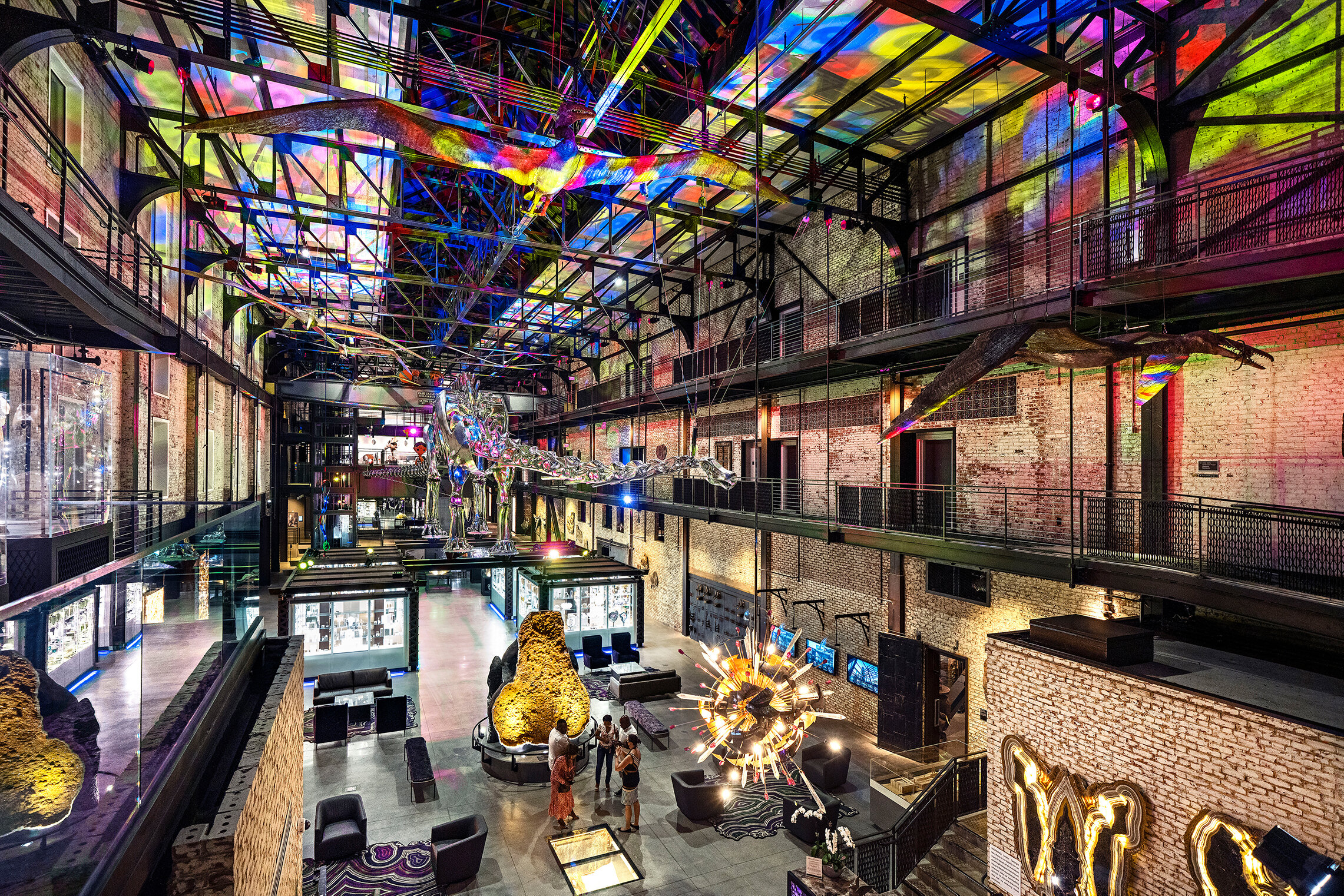
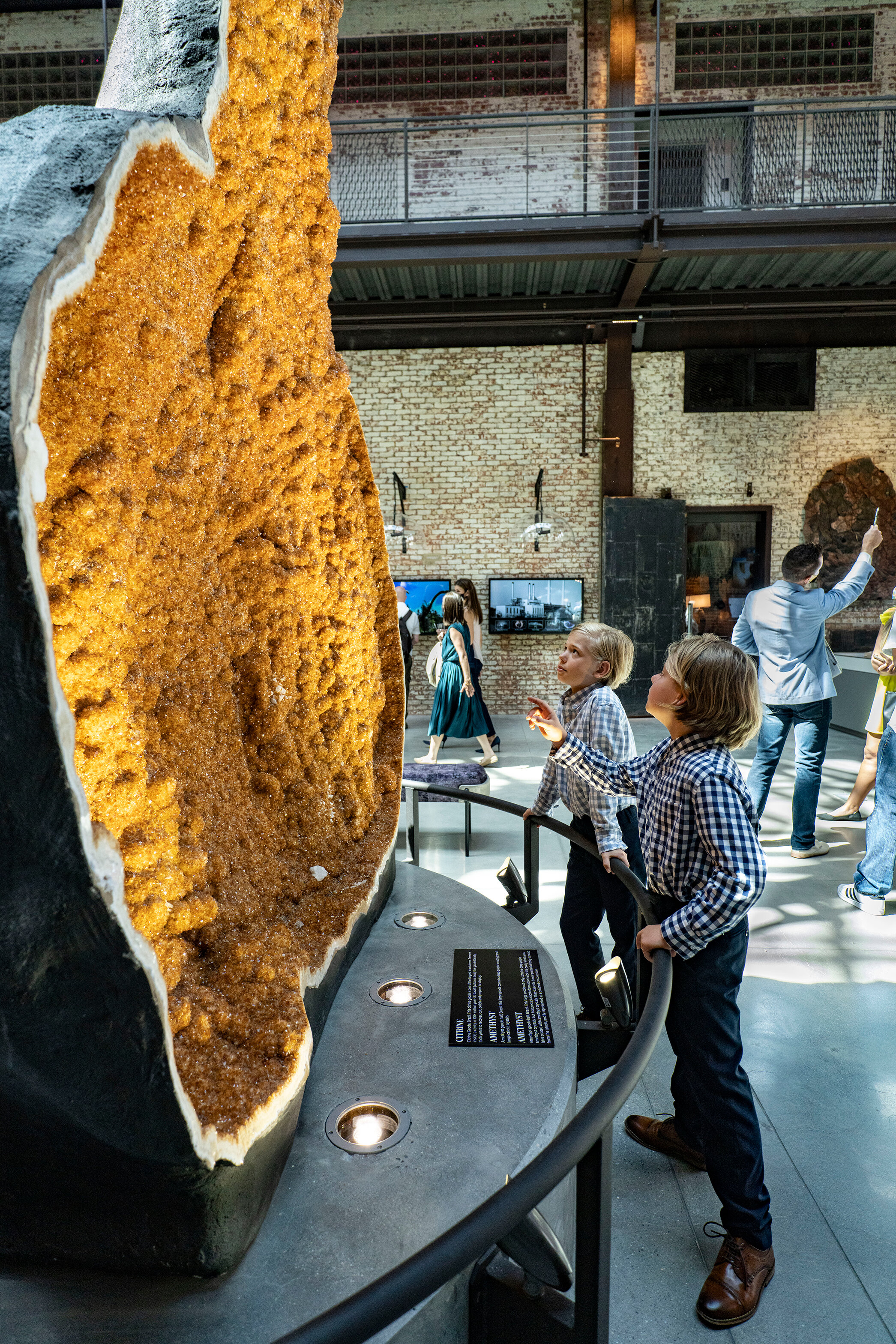
The historic plant, the oldest portion of which was built in 1912, exemplifies the grand industrial architecture of the early 20th century. It is the centerpiece of the project. The large, coal-fired power plant was constructed in multiple phases between 1912 and 1953. The power plant site, decommissioned in 2005, created a significant barrier between the city’s oldest wards and their historic connection with the Savannah River. Adaptively rehabilitating the historic power plant was among the most ambitious aspects of the plan. This fascinating structure reflects half a century of construction, including the noble masonry industrial architecture of the early 20th century and transitioning into the steel frame and factory glass editions that followed into the 1950s.
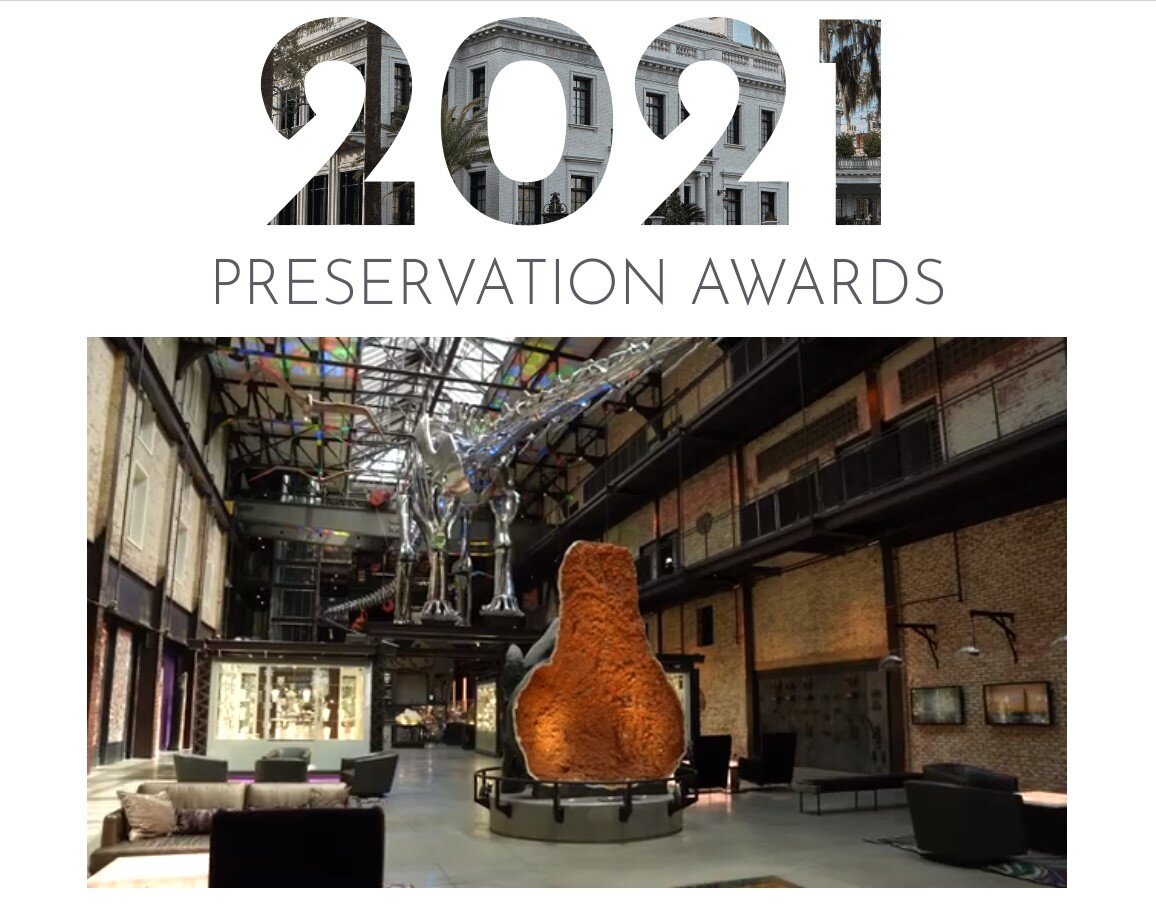
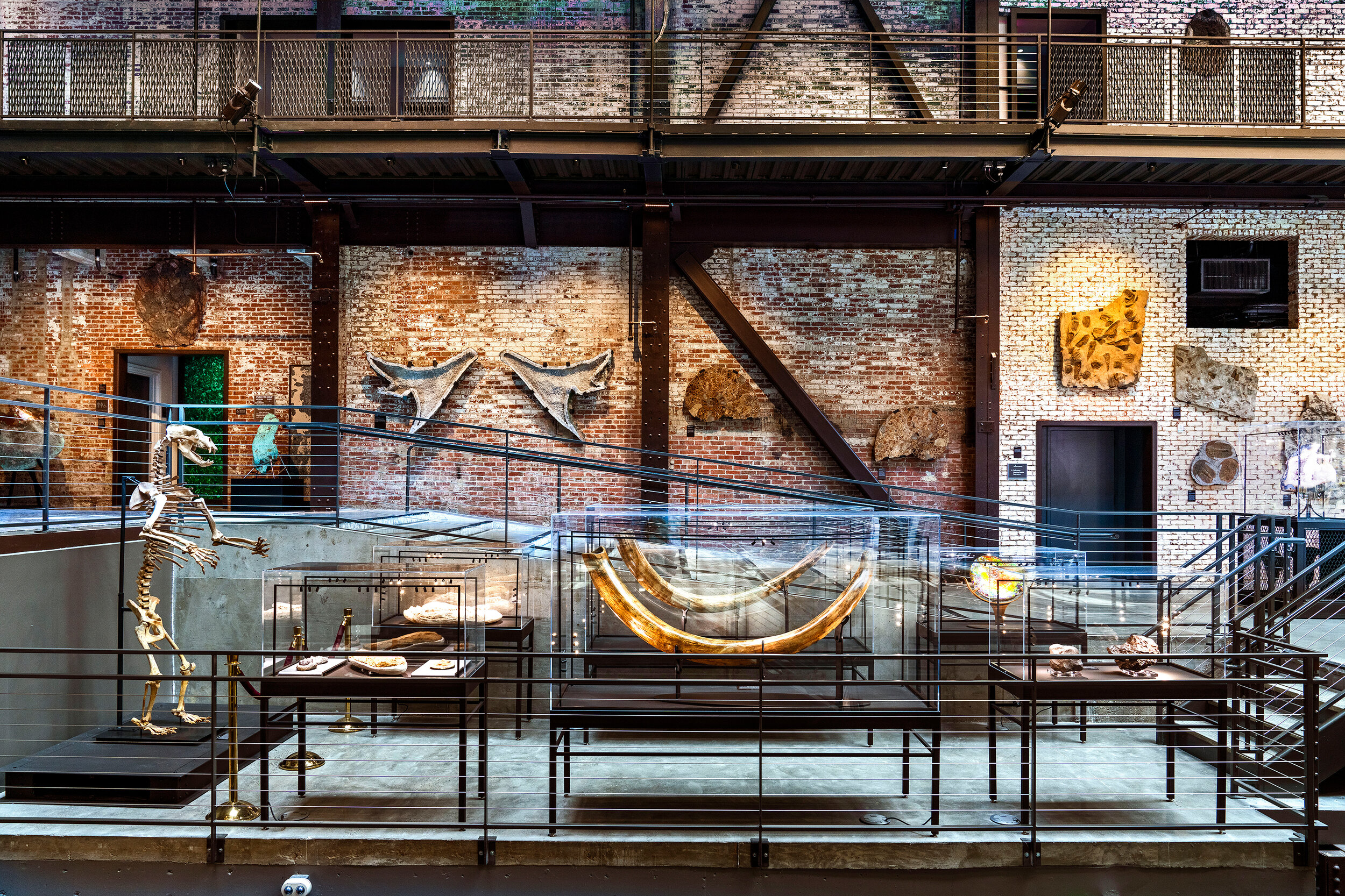
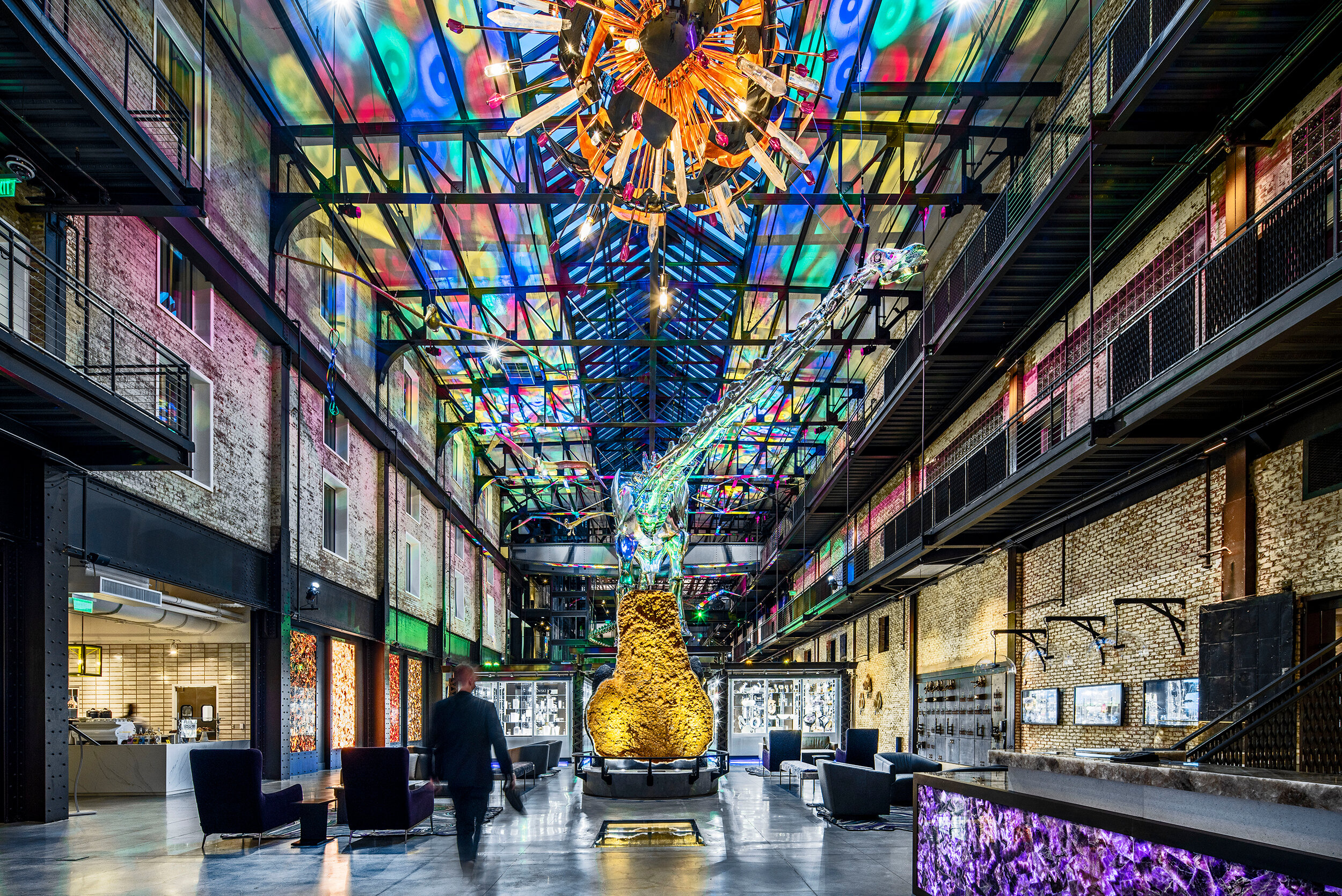
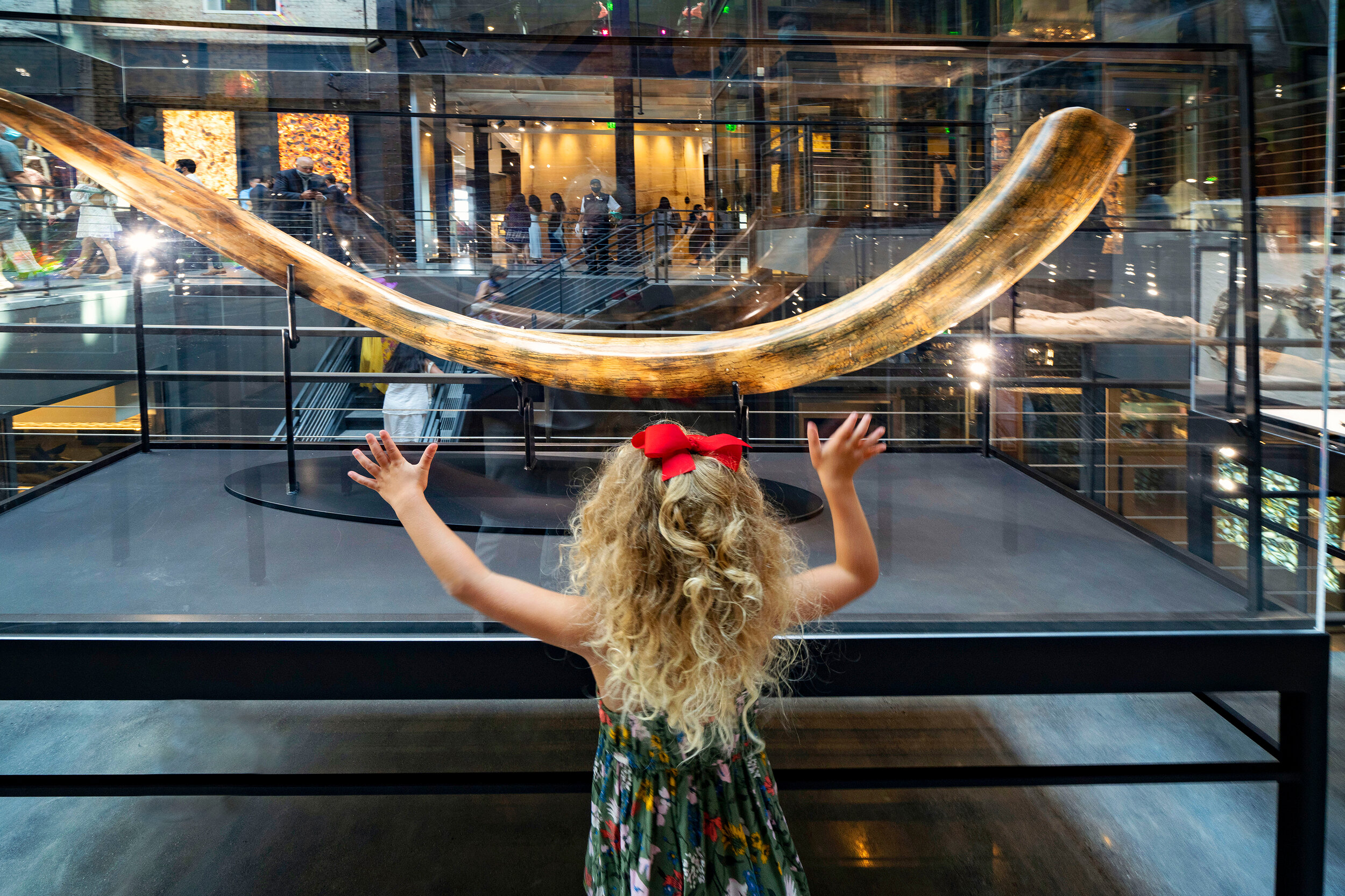
While the architecture is compelling, the building was never designed for human habitation. Nonetheless, its grand interior has a cathedral-like quality and an intricate network of lace-like riveted ironwork. Adapting the building for a vibrant mix of museum exhibitions, restaurants, retail, and hospitality uses while retaining its essential character in grandeur was one of the greatest tasks of the eight-year-long rehabilitation effort. The historic power plant anchors the west end of River Street with its twin smokestacks as iconic landmarks within the Savannah skyline. The renovation strategy retained the structure’s historic character-defining features, including original masonry, details, fenestration, massing, and smokestacks. The structure continues to express its heritage as a power plant, while simultaneously introducing distinctly contemporary interior and exterior elements to adapt the building to its new purpose. These adaptations were carefully studied to preserve the power plant’s industrial character while expressing the creativity and vibrancy of its new uses.
All work was completed under the guidance of the Secretary of the Interior’s Standards for Rehabilitation, in collaboration with the state of Georgia Historic Preservation Office and the National Park Service. The project was granted historic preservation tax credits at both the state and national levels.
The project not only restores a landmark resource for Savannah, but it also reclaims nearly a quarter of a mile of the city’s lost waterfront for the public and reconnects the west of the city center back to the river. The project has also created 450 permanent new jobs to date in an area classified as under severe economic distress and has opened up the west end of the city’s riverfront, allowing natural urban growth and development on sites further to the west that would not have been considered for anything other than warehousing just a few years ago.
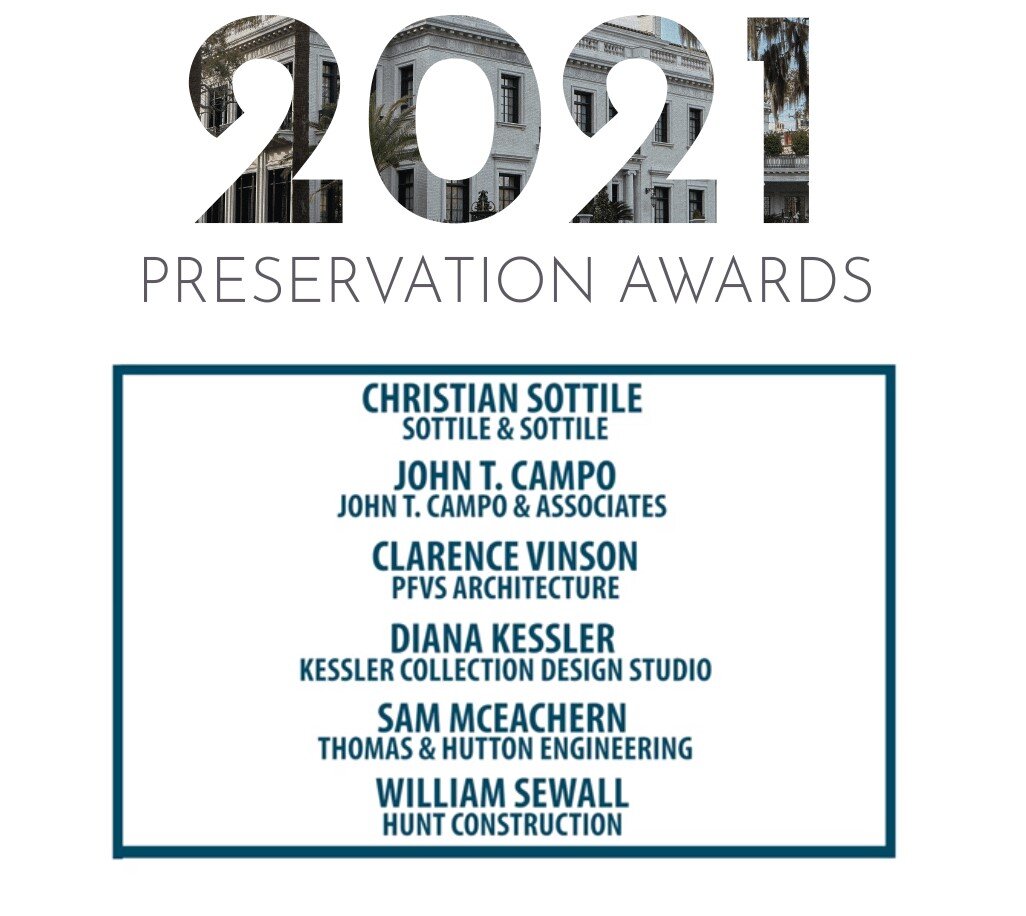
Project partners were: Christian Sottile (Sottile & Sottile), John T. Campo Jr. (John T. Campo & Associates), Clarence Vinson (PFVS Architecture), Diana Kessler (Kessler Collection Design Studio), Sam McEachern (Thomas & Hutton Engineering), and William Sewall (Hunt Construction).
The Plant Riverside projects resulted in the restoration and rehabilitation of an evolutionary site, creating a new kind of energy, integrating preservation and new design in the 21st century.”
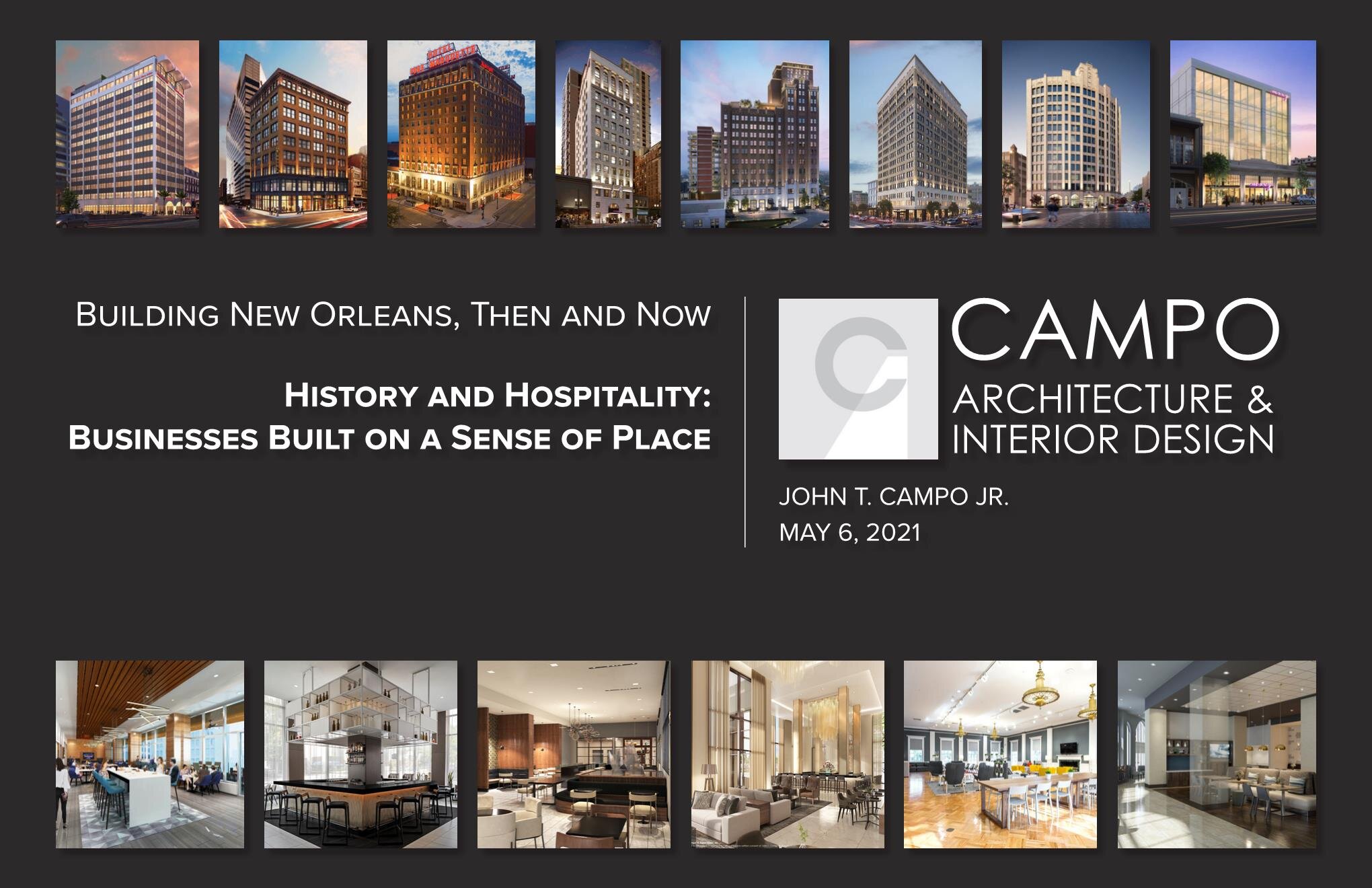
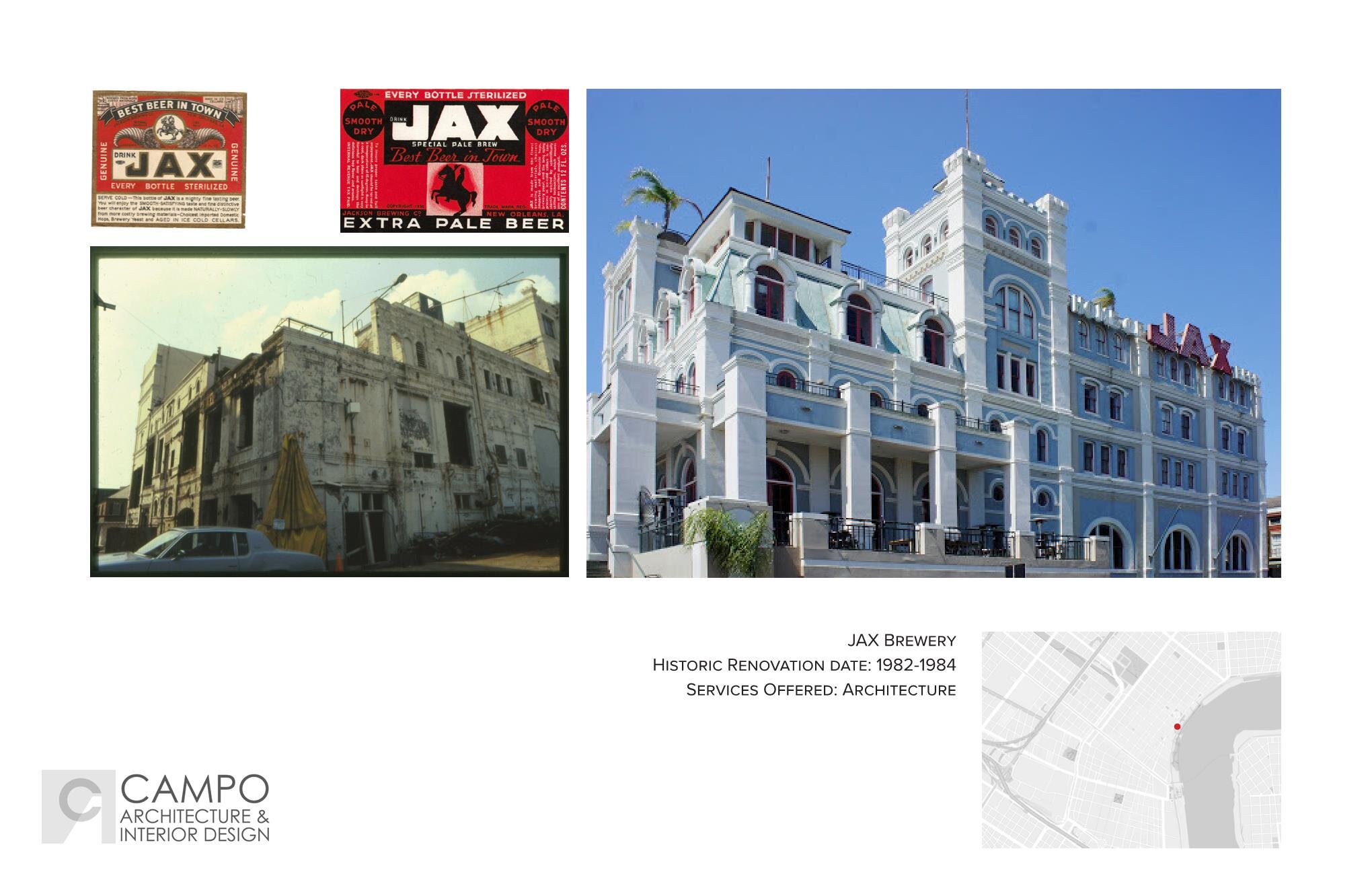
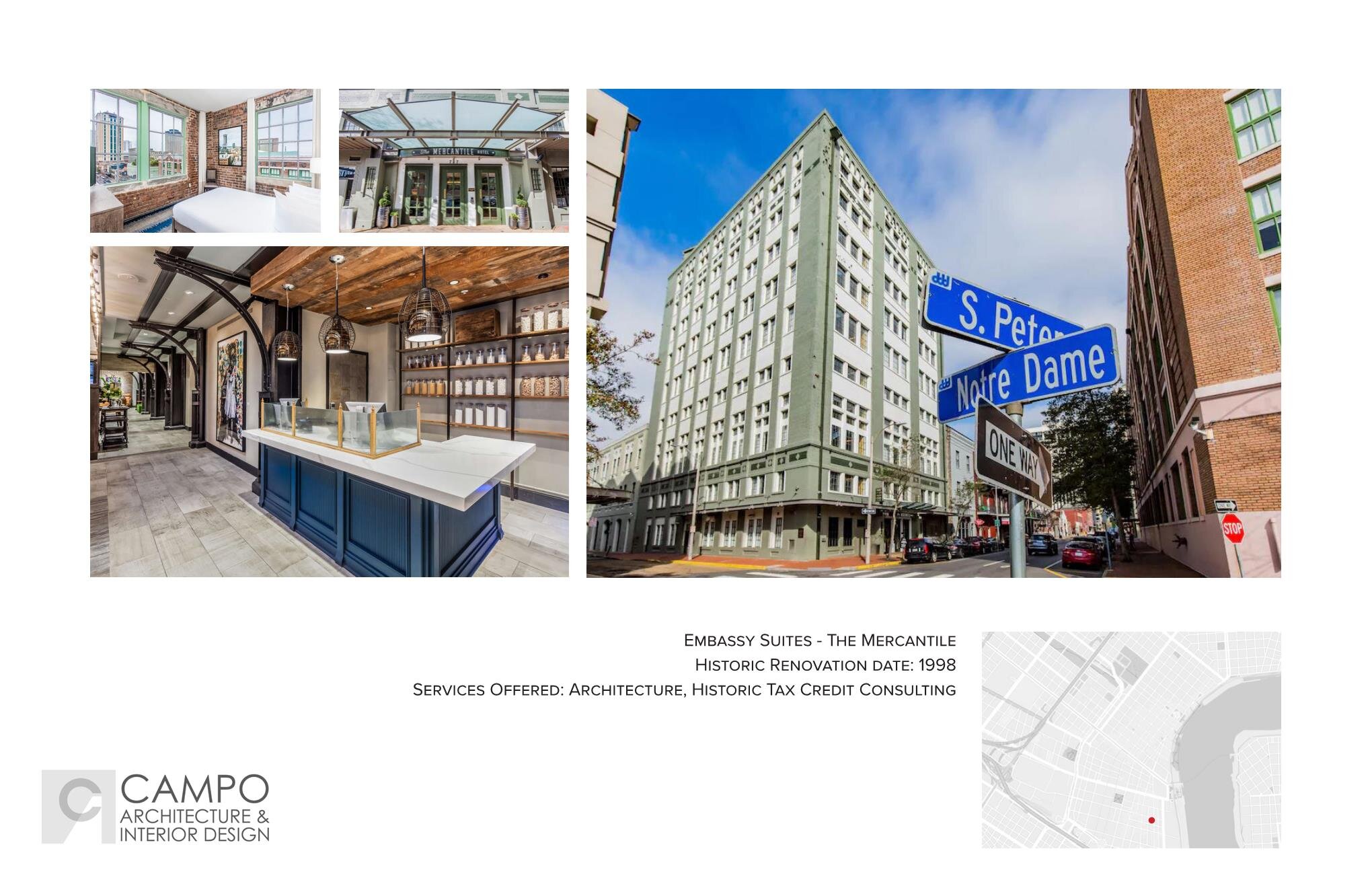
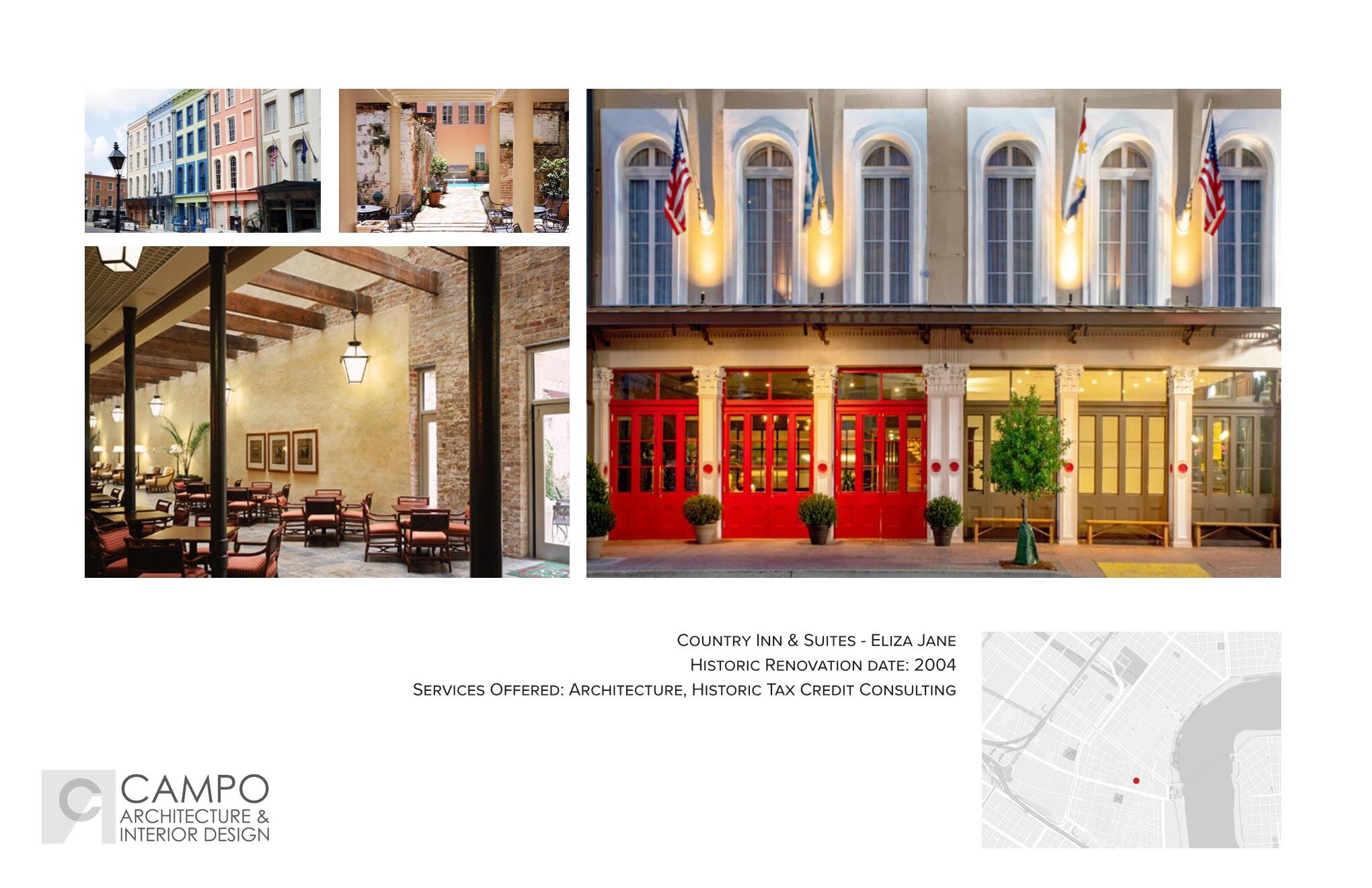
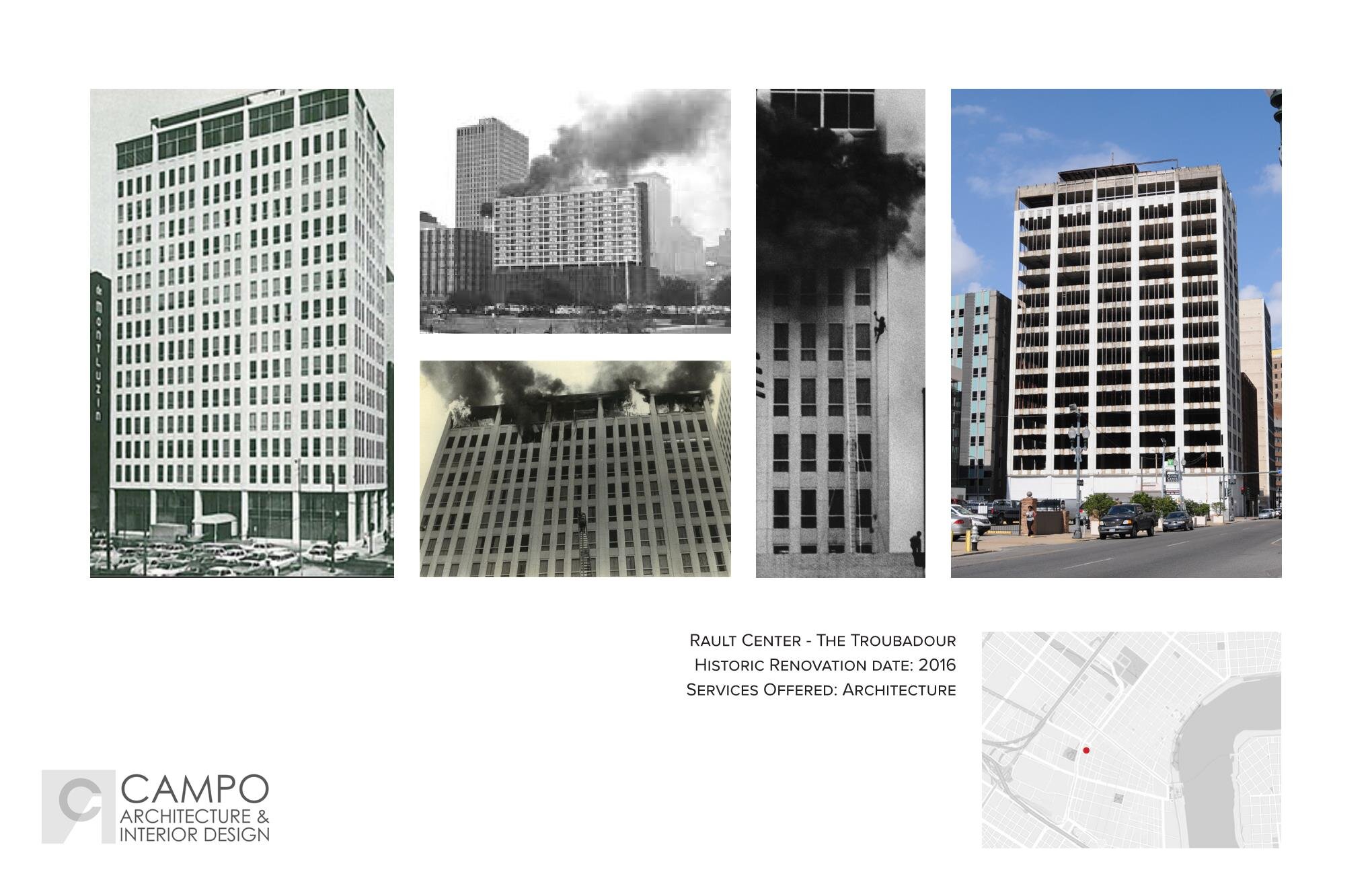
As part of Preservation Resource Center of New Orleans’ six-part series, “Building New Orleans, Then and Now,” John T. Campo Jr. presented “History and Hospitality: Businesses Built on a Sense of Place” on Thursday, May 6th.
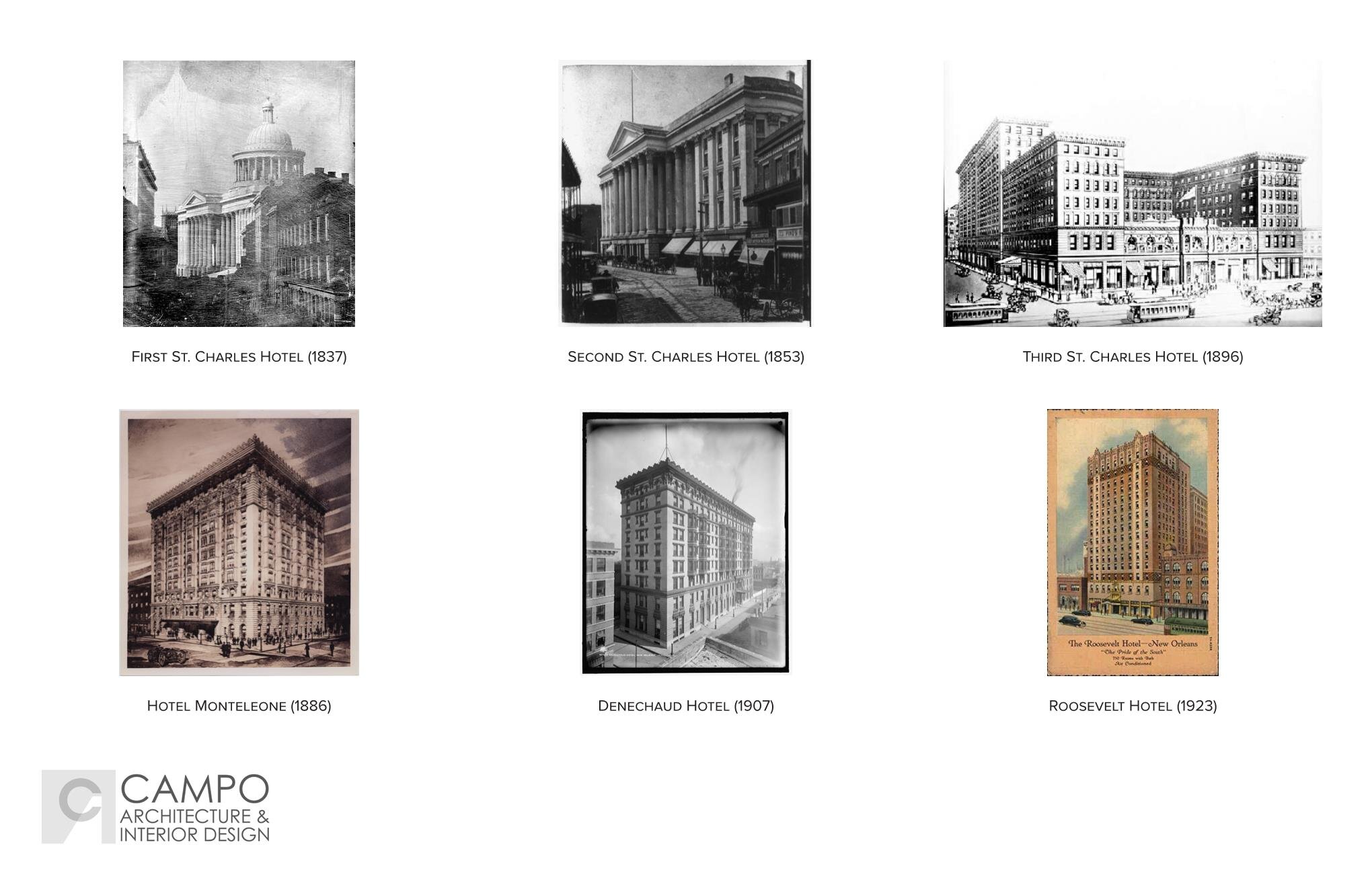
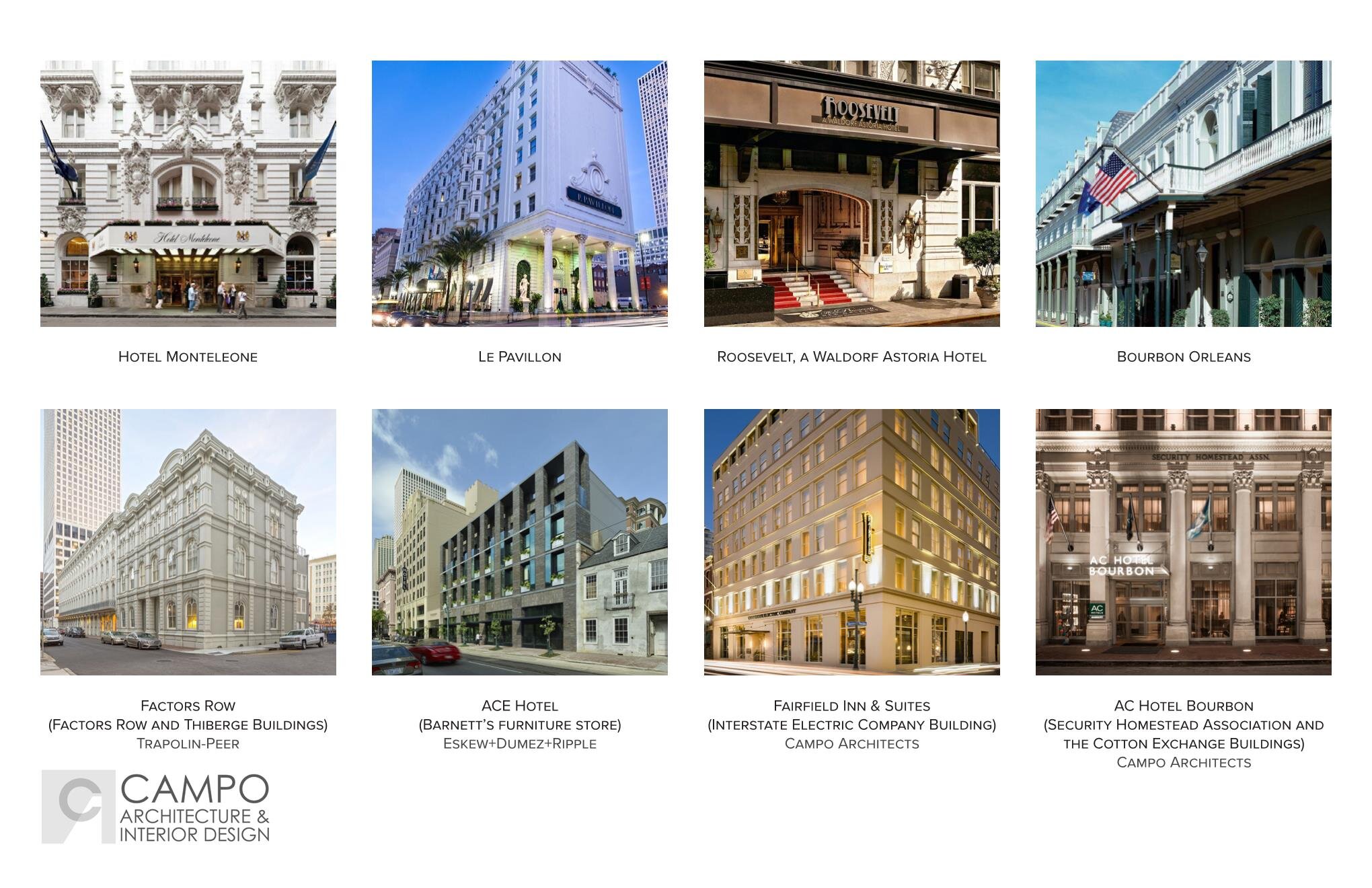
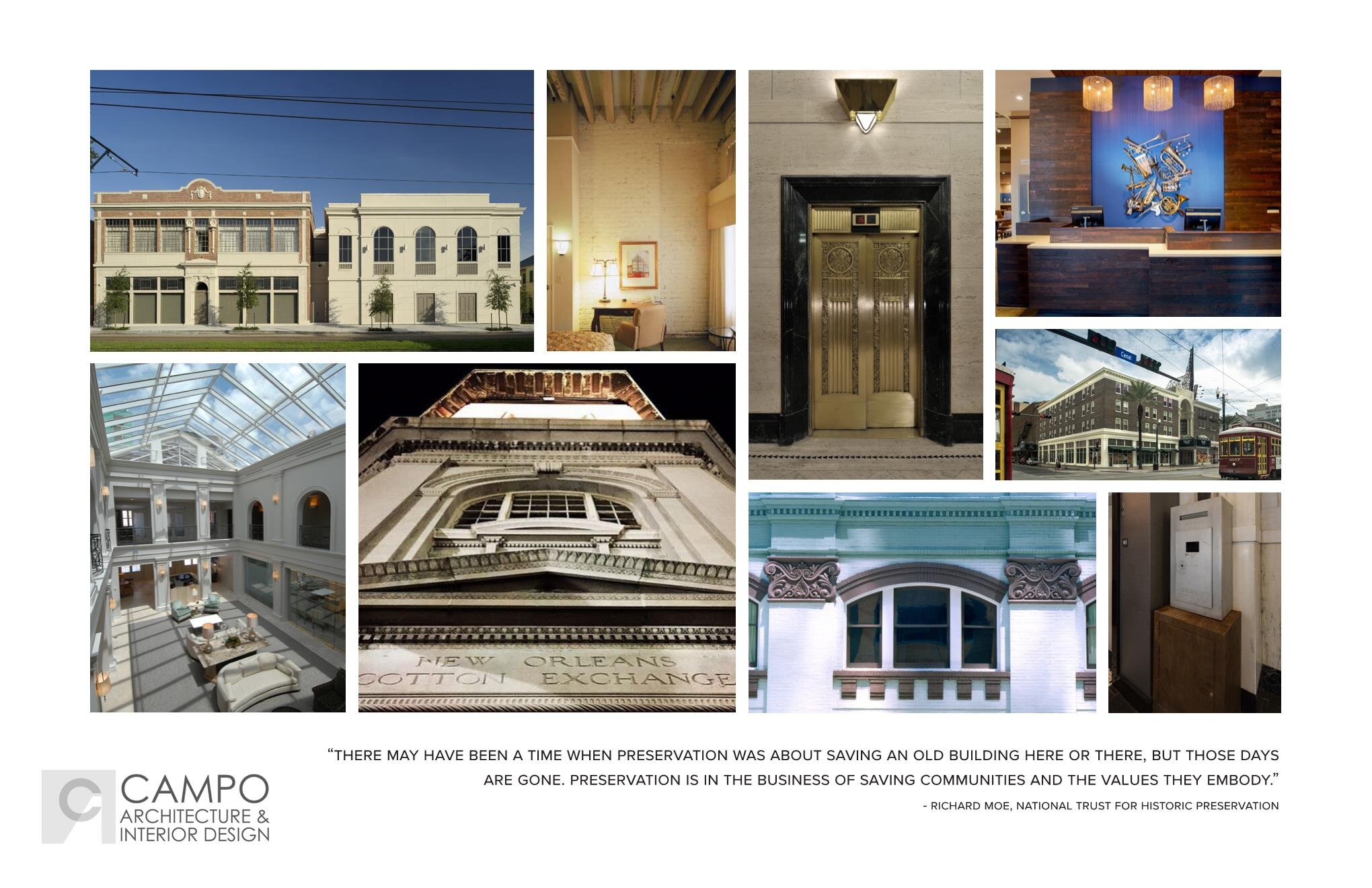
In his presentation, John T. Campo Jr. explores New Orleans’ rich history of leisure and hospitality and how that legacy has evolved through adaptive reuse conversions of historic properties. John expands on the benefits of the Federal (Historic) Rehabilitation Tax Credit and State Historic Tax Credit programs for the development and preservation of historic properties on a local, state, and federal level.
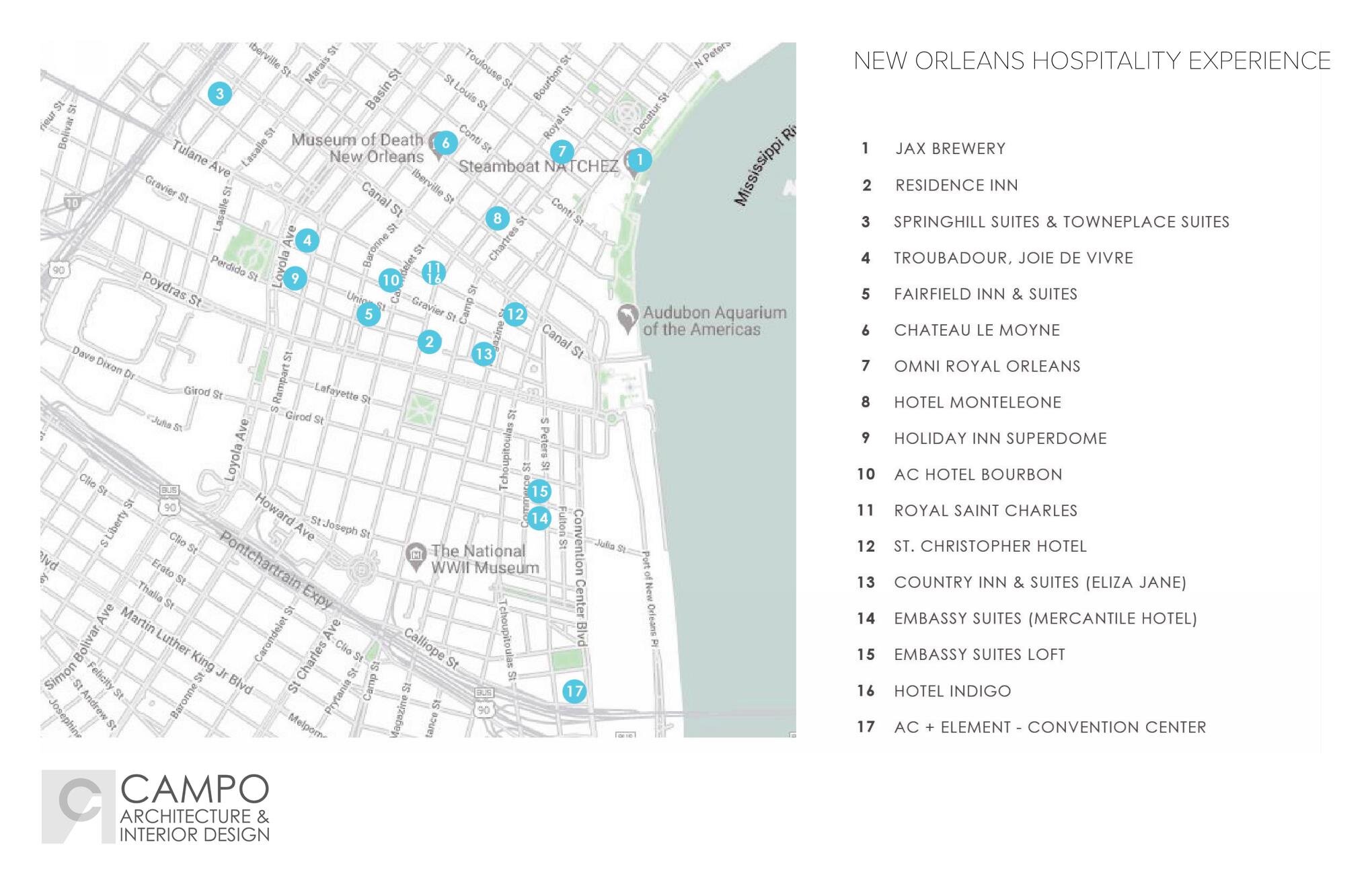
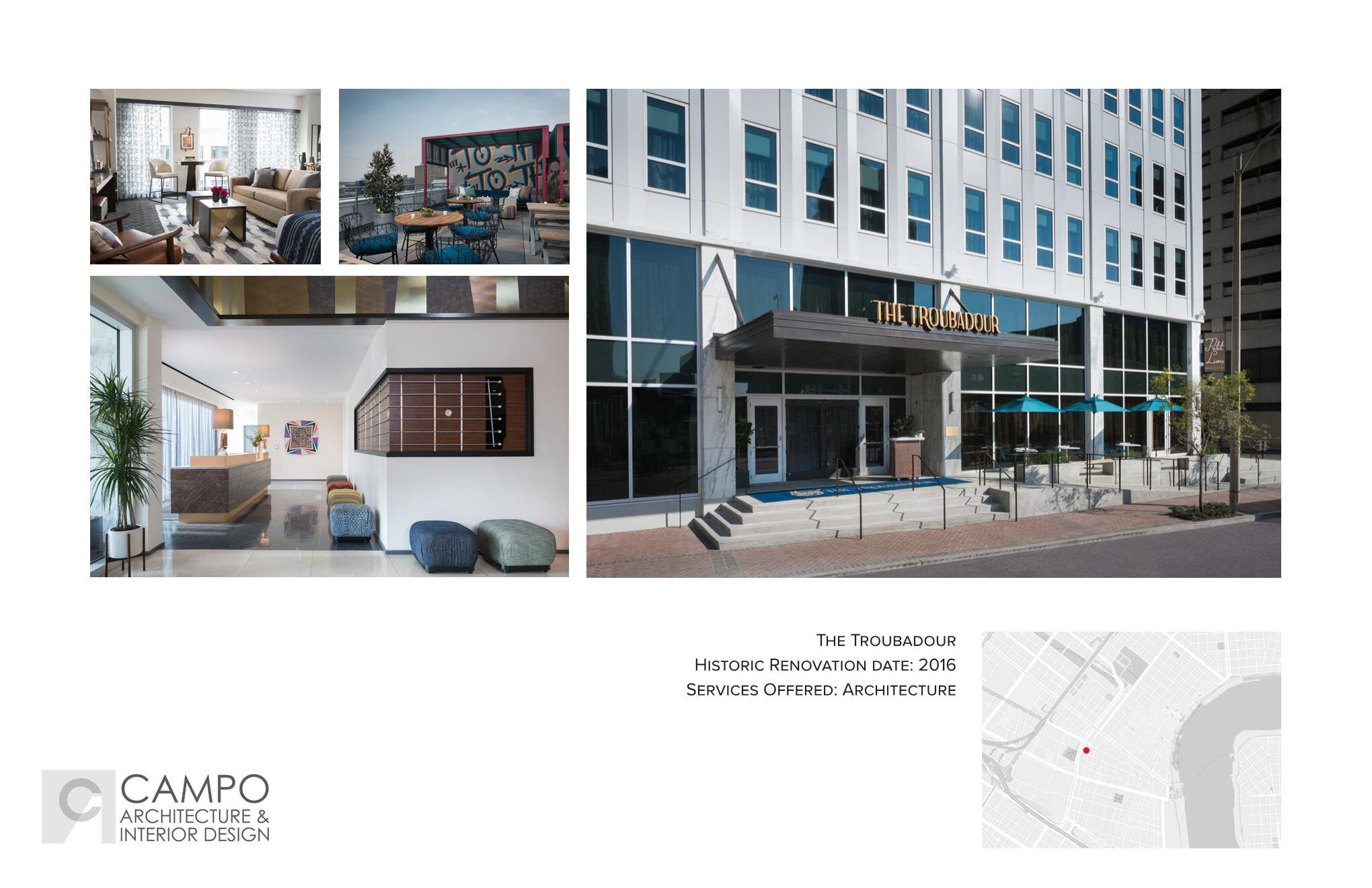
With over 36 years of experience in historic preservation, Campo Architecture and Interior Design has many stories to tell of the challenges and lessons learned in the architectural design of adaptive reuse properties. This presentation highlights a few pivotal downtown New Orleans projects throughout John’s career, starting with the Jax Brewery, Embassy Suites/Mercantile Hotel, Country Inn & Suites/Eliza Jane, and the Troubadour.
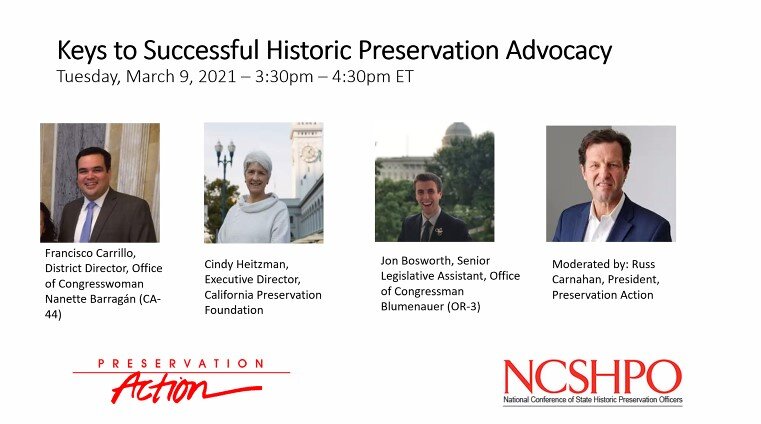
The National Historic Preservation Advocacy Week was held virtually for the first time on March 8-11, 2021. In total, 42 states and 7 territories were represented by over 270 virtual attendees.
Each year, Preservation Action successfully gathers industry-wide professionals and legislators to emphasize the importance of programs that have catalytic impacts on communities of all sizes to preserve the past while preparing for the future.
Among local advocates from Preserve Louisiana, Louisiana Trust for Historic Preservation, Preservation Resource Center, and the Louisiana State Historic Preservation Office, Campo Architects was represented by John T. Campo, Jr. (President) and Shelby L. Shankle (Historian).
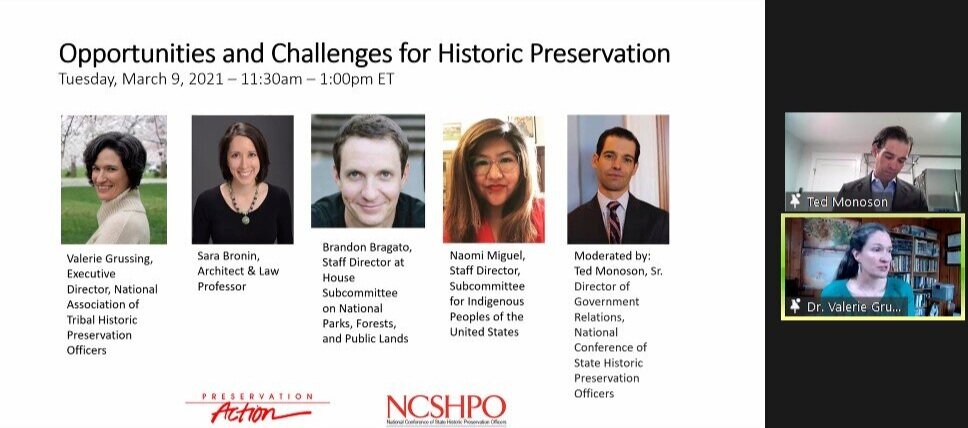
In addition to the Annual Preservation Action Member Meeting and National Conference of State Historic Preservation Officers Meeting, advocates and attendees gained insight from industry professionals on best practices of Historic Preservation Advocacy and current events.
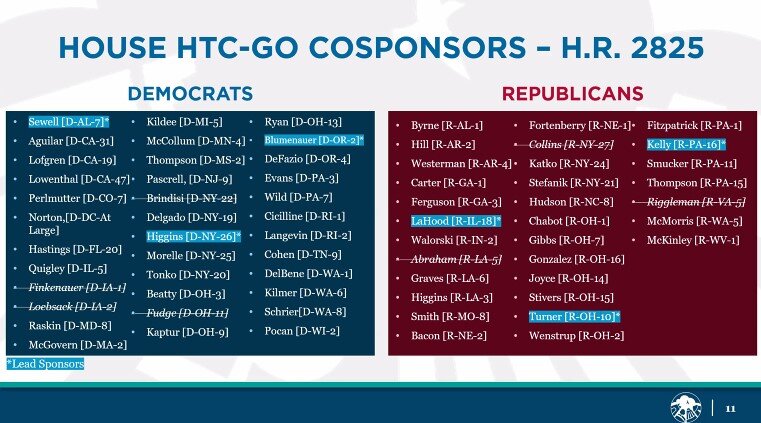
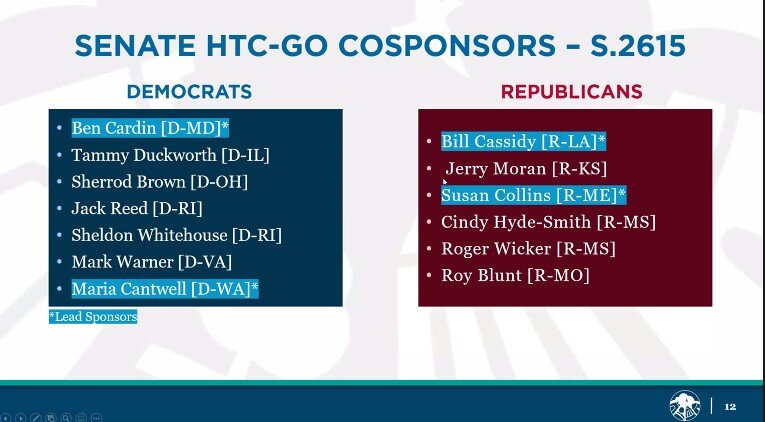
Advocates attended “Lobby Day” on Wednesday, March 10th, which involved scheduled meetings with each state’s legislators and staff. Louisiana’s advocates were able to meet with Congressman Garrett Graves (LA-6) and staff members for Congressman Johnson (LA-4), Congressman Higgins (LA-3), Congressman Scalise (LA-1), Senators John Kennedy and Bill Cassidy.
In addition to providing insight on the successes of local and state historic preservation projects, local advocates highlighted the need for enhanced federal historic tax credit legislation and increased funding to historic preservation programming.
Last week, the National Park Service released the Federal Tax Incentives for Rehabilitating Historic Buildings Annual Report for Fiscal Year 2020: “With over 46,000 completed projects since its enactment in 1976, the Historic Tax Credit has leveraged over $109.2 billion in private investment in the rehabilitation of historic properties.” The State Historic Preservation Offices and collective Historic Preservation organizations have advocated for the increased funding and exponential success of the rehabilitation historic tax credits at the federal and state levels.
Even with limited resources, Louisiana boasts a particularly successful State Historic Preservation Office staff. The report highlights Louisiana’s success in Historic Preservation Certification Applications received and approved.
Part 1 Applications - 141 Received, 127 Approved
Part 2 Applications - 130 Received, 111 Approved
Part 3 Applications - 93 Received, 84 Approved
Between FY2016-FY2020, Louisiana’s historic rehabilitation projects have earned $1,398,738,129 in Qualified Rehabilitation Expenditures from 483 approved Part 3 applications, which is among the top-ten highest-earning states in the country.
We are thrilled to announce that Campo Architects has been shortlisted as “Team of the Year” among the 2021 Female Frontier Awards: Powered by World Architecture News.
Studio Director Miriam Salas, AIA, LEED AP led the multi-disciplinary team for the JW Marriott Savannah Plant Riverside District Power Plant Hotel. Along with Project Architect Janina Scalfano, AIA and Job Captain Katherine Mason, this female-led team forged an empowering legacy for women in design.
Providing expertise as both the Architect of Record and Historic Tax Credit Consultant, Campo Architects’ female-led team illuminated the path to reenergizing Savannah’s riverfront. This collaboration with The Kessler Collection and local architect Sottile & Sottile is heralded as the largest undertaking within Savannah’s National Historic Landmark District to date.
Studio Dir. | Miriam Salas, AIA, LEED AP
Project Architect | Janina Scalfano, AIA
Job Captain | Katherine Mason
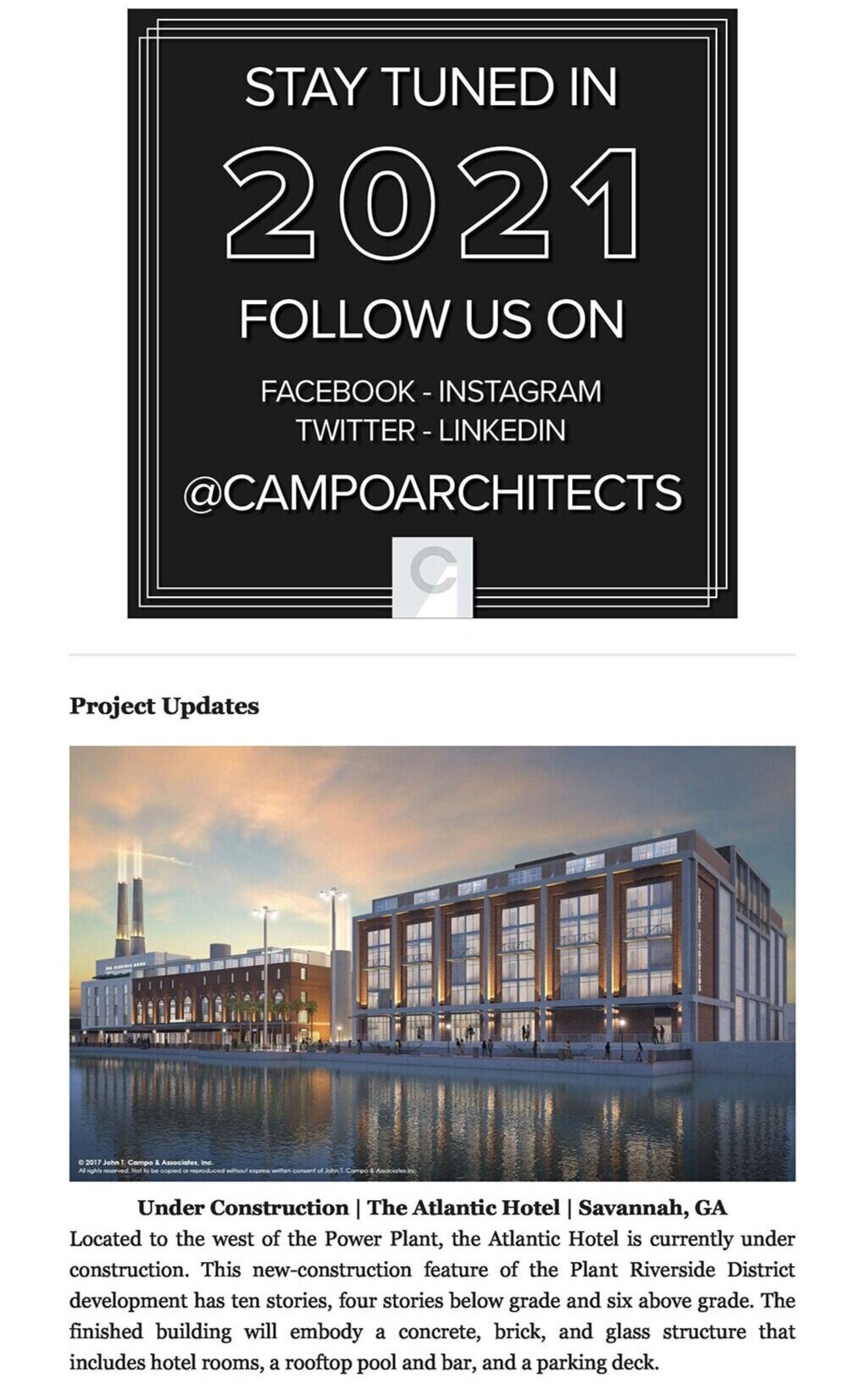
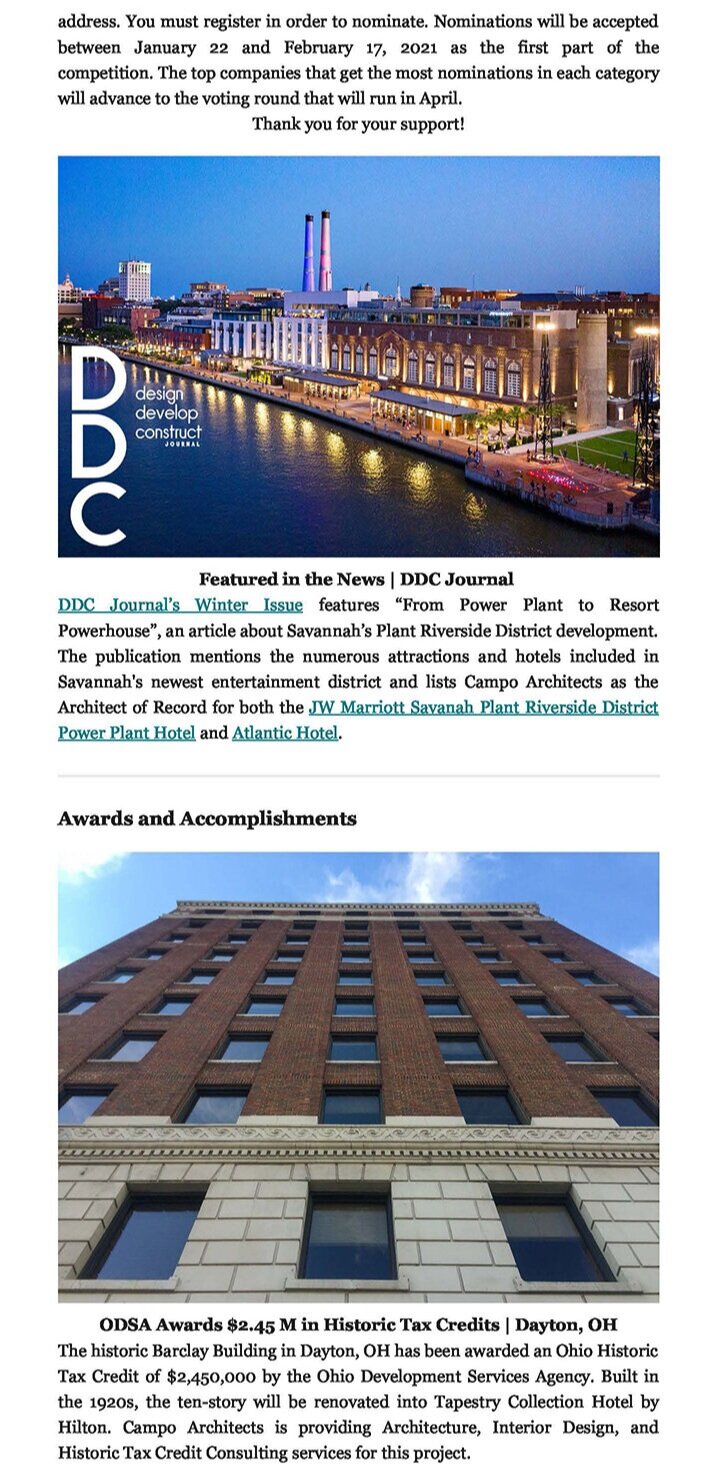
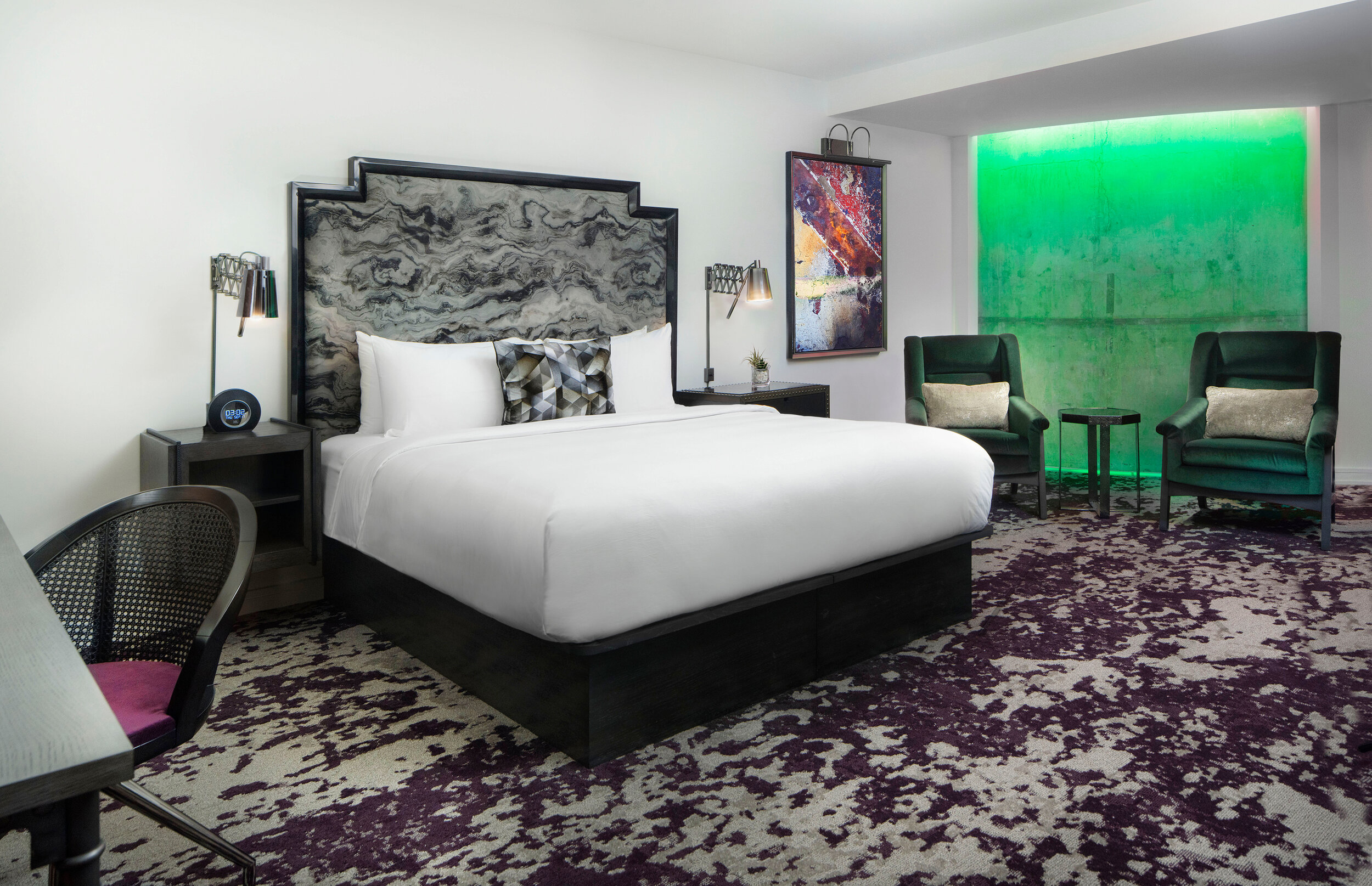
The Plant Riverside District represents the adaptive re-use of the existing power plant, originally built in 1912. The plant’s 176-foot tall smokestacks are features in the Savannah skyline and have been preserved. They now serve as a beacon, drawing guests from all corners of the city. Visitors can unwind at the Electric Moon Skytop Lounge or take an electrifying trip down the slide at the Moon Deck. The development added a quarter mile of new River Walk, reconnecting visitors with once inaccessible waterfront views. The riverfront is once again teeming with energy, but it wasn’t without its challenges.
Within the existing power plant buildings, gorgeous steel structural elements begged to be seen. In order to leave the steel exposed and maintain the industrial atmosphere, the design team worked with local authorities to test the fire-resistance of the existing columns and develop a means through which they could be protected. Campo Architects illustrated that by carefully locating the sprinkler heads, the structure would meet the fire rating requirements.
Campo had a powerful team of female leadership for the Plant Riverside District project. Studio Director Miriam Salas, AIA, LEED AP spearheaded the early design efforts of a multi-disciplinary team and shaped the project in its infancy. Miriam has brought a lot to the firm since joining in 2003, but she also takes great pleasure in sharing her leadership skills with other women in the field. Her role as a founding member of AIA New Orleans’ Women in Architecture committee serves as her commitment to mentoring the next generation of female designers. Project Architect Janina Scalfano is a Women in Architecture committee member as well. Her involvement led her to co-found the committee’s main fundraiser, the Beaux Arts Ball. Janina shares her thorough understanding of Building Information Modeling (BIM) as a member of the Revit Users Group. Her architectural knowledge coupled with her vast technical skill makes her a powerhouse asset to any project team.
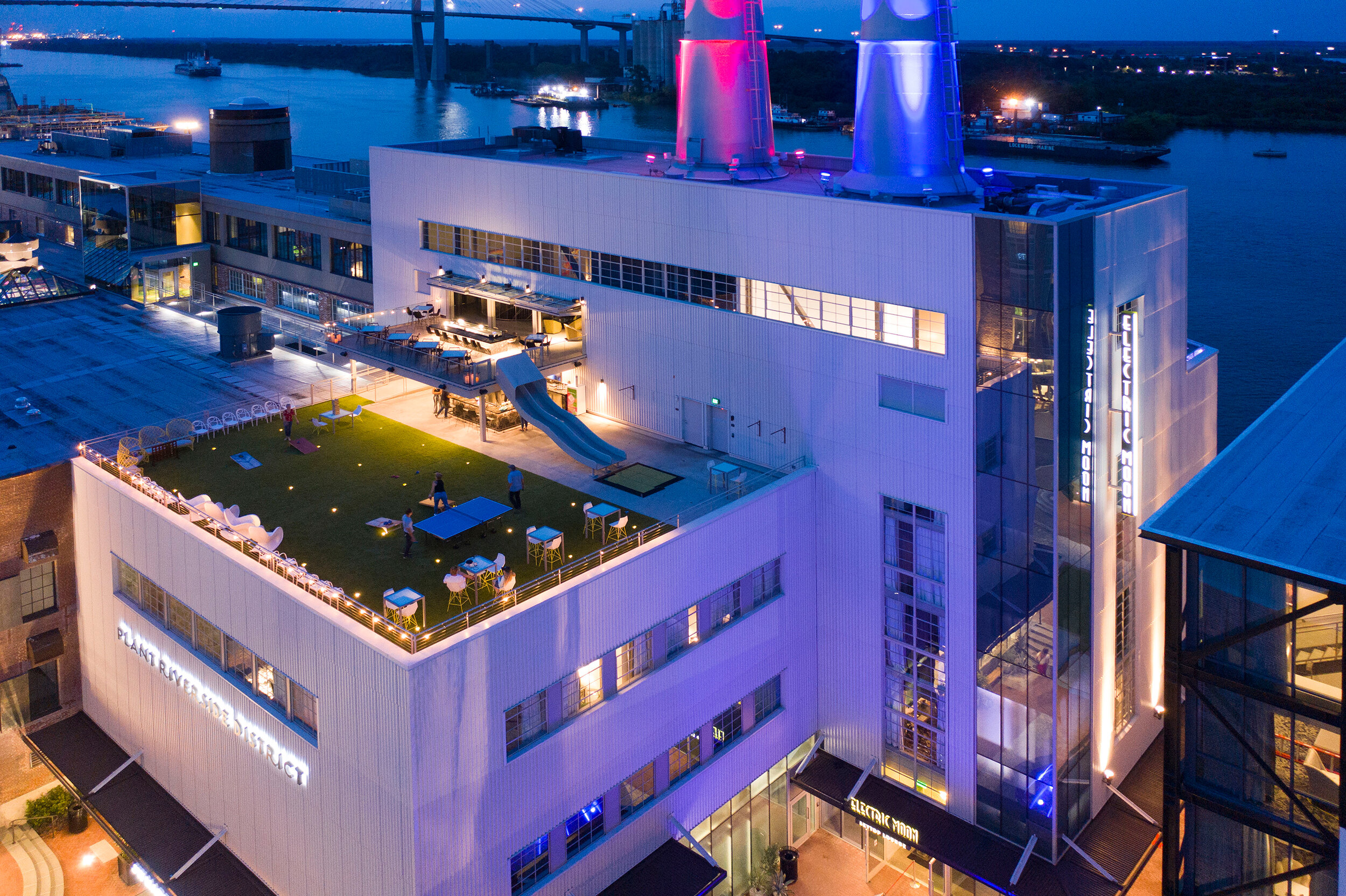
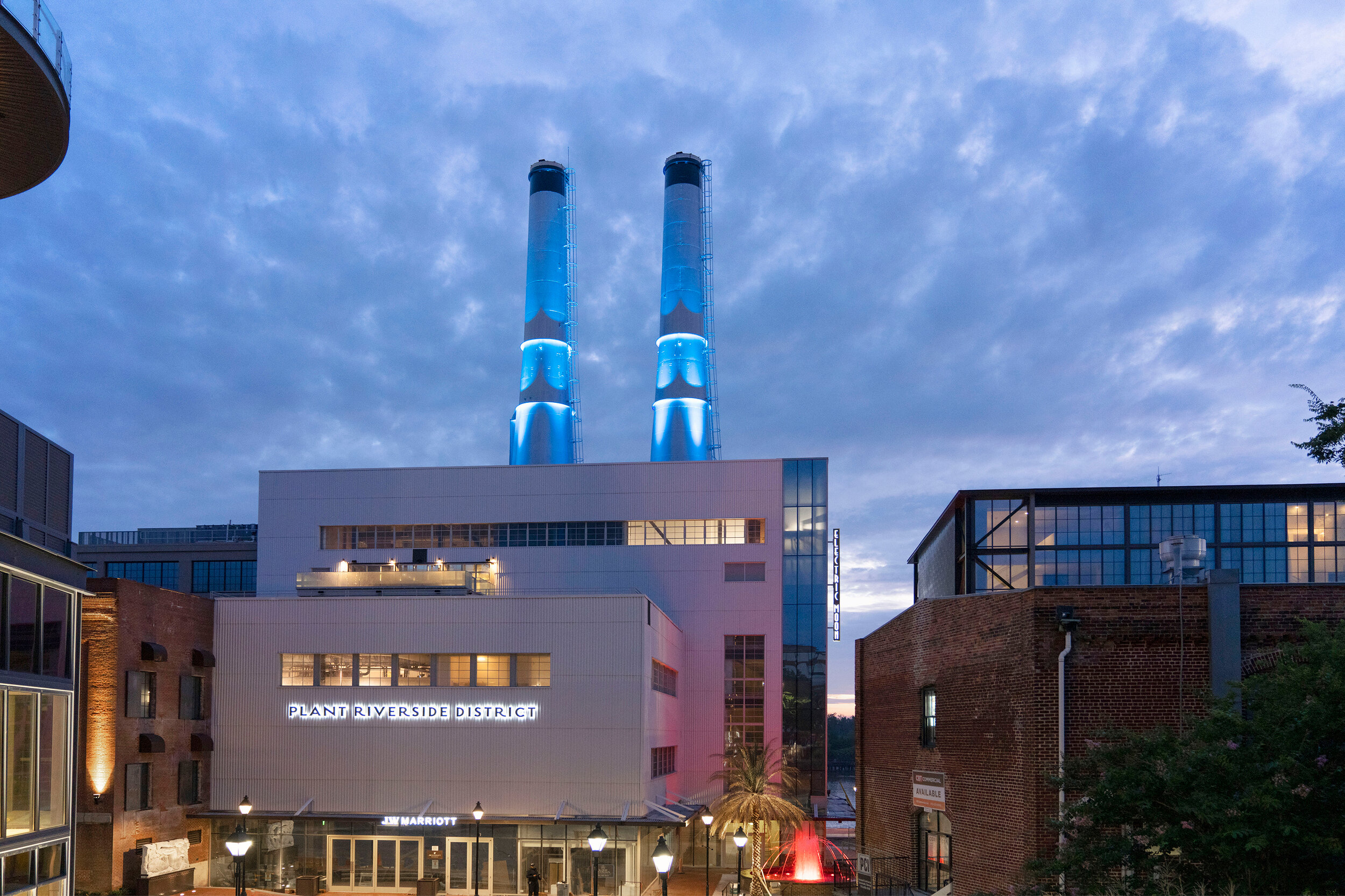
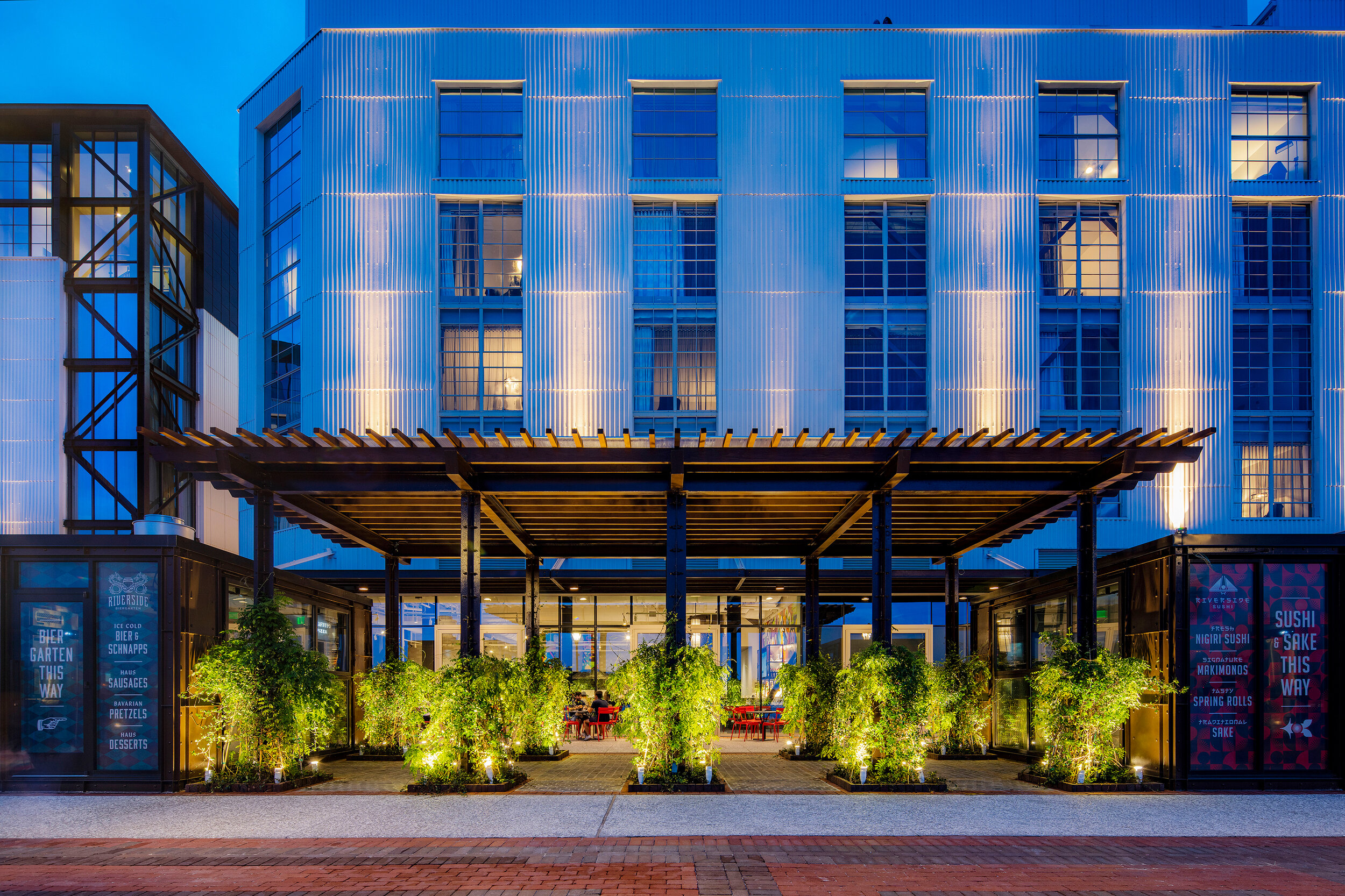
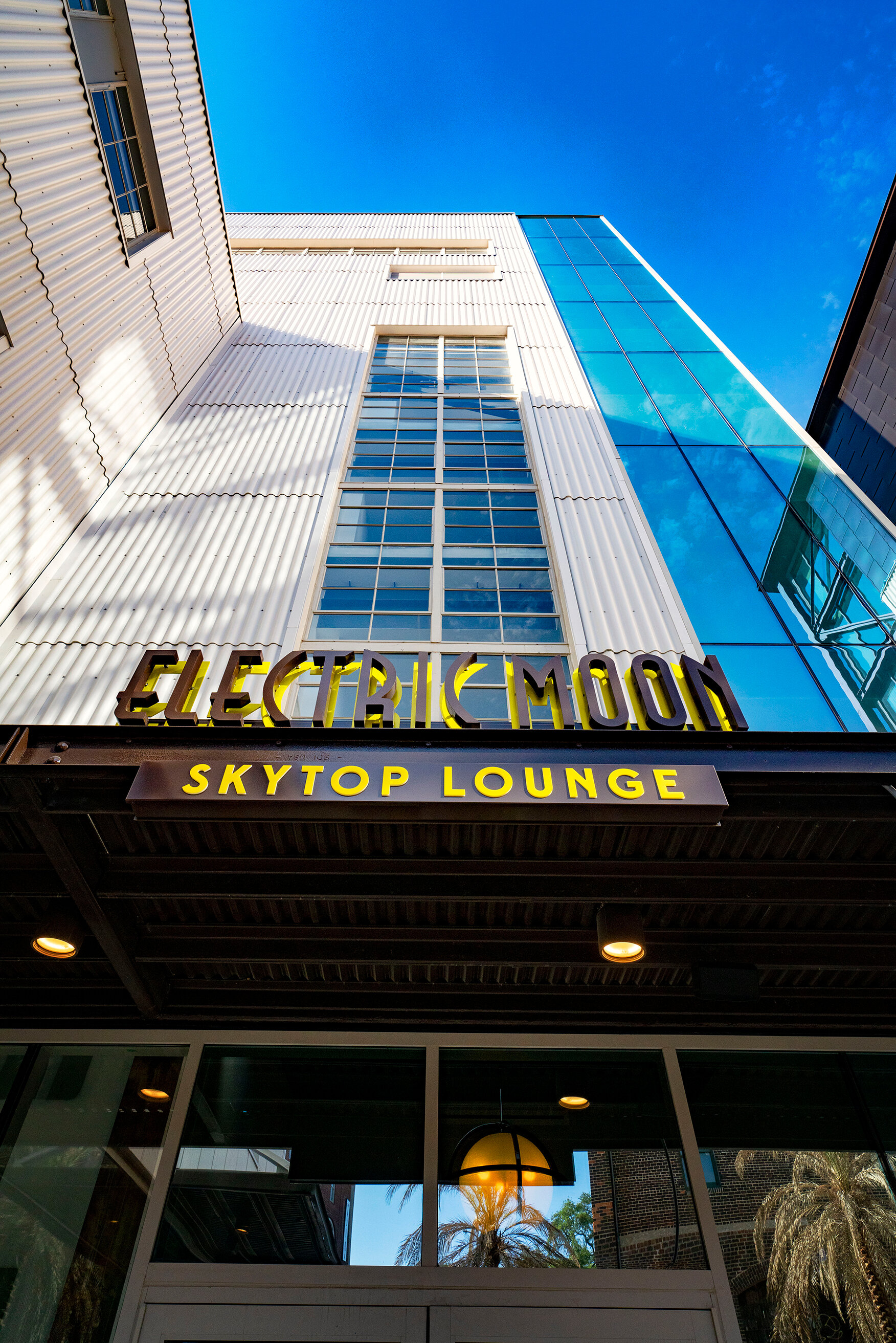
Job Captain Katherine Mason has a deep appreciation for historic architecture, which has fueled her dedication to historic rehabilitation projects at Campo. Katherine assisted in leading the project through its Phase I completion. She produced official construction documents and managed the application process for Historic Tax Credit approvals. These tax credits secured significant funding for the project, making their budgetary contribution crucial to success. Janina and Katherine conducted countless meetings and site visits through the duration of construction, often times the only women in a room full of Owner’s representatives and General Contractors. Just as the Plant Riverside District has done itself, Miriam, Janina, and Katherine’s influence has established a legacy that will inspire for years to come.
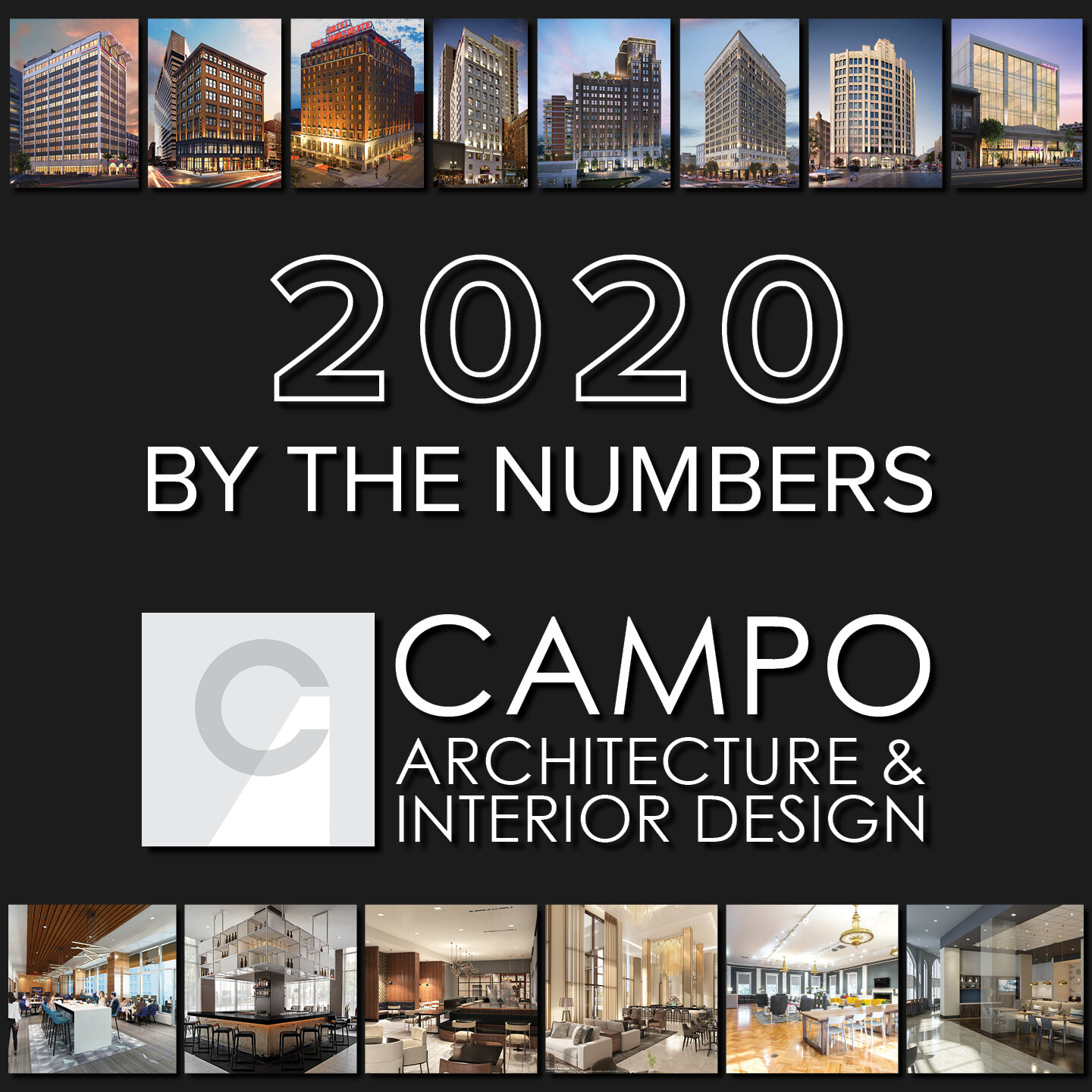
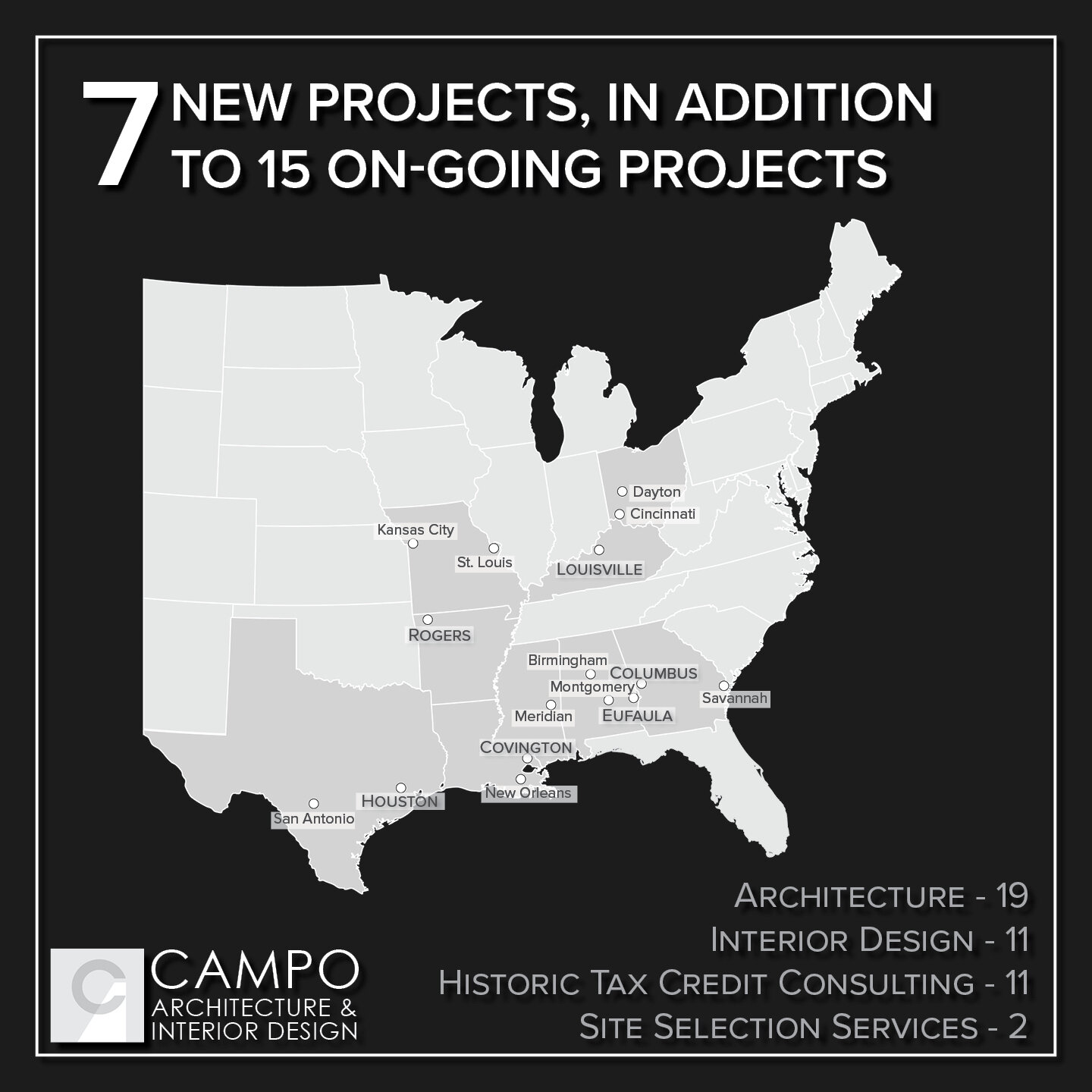
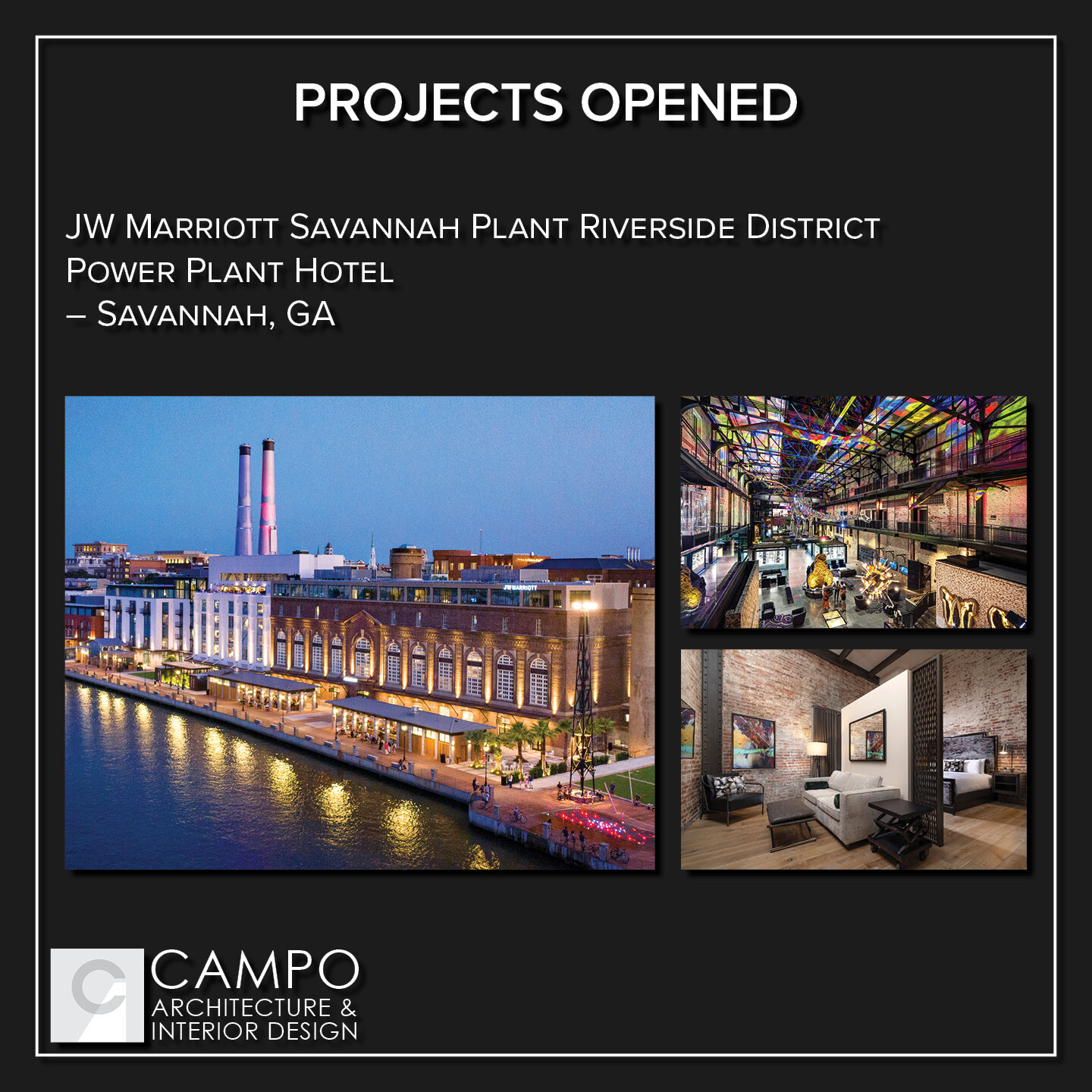
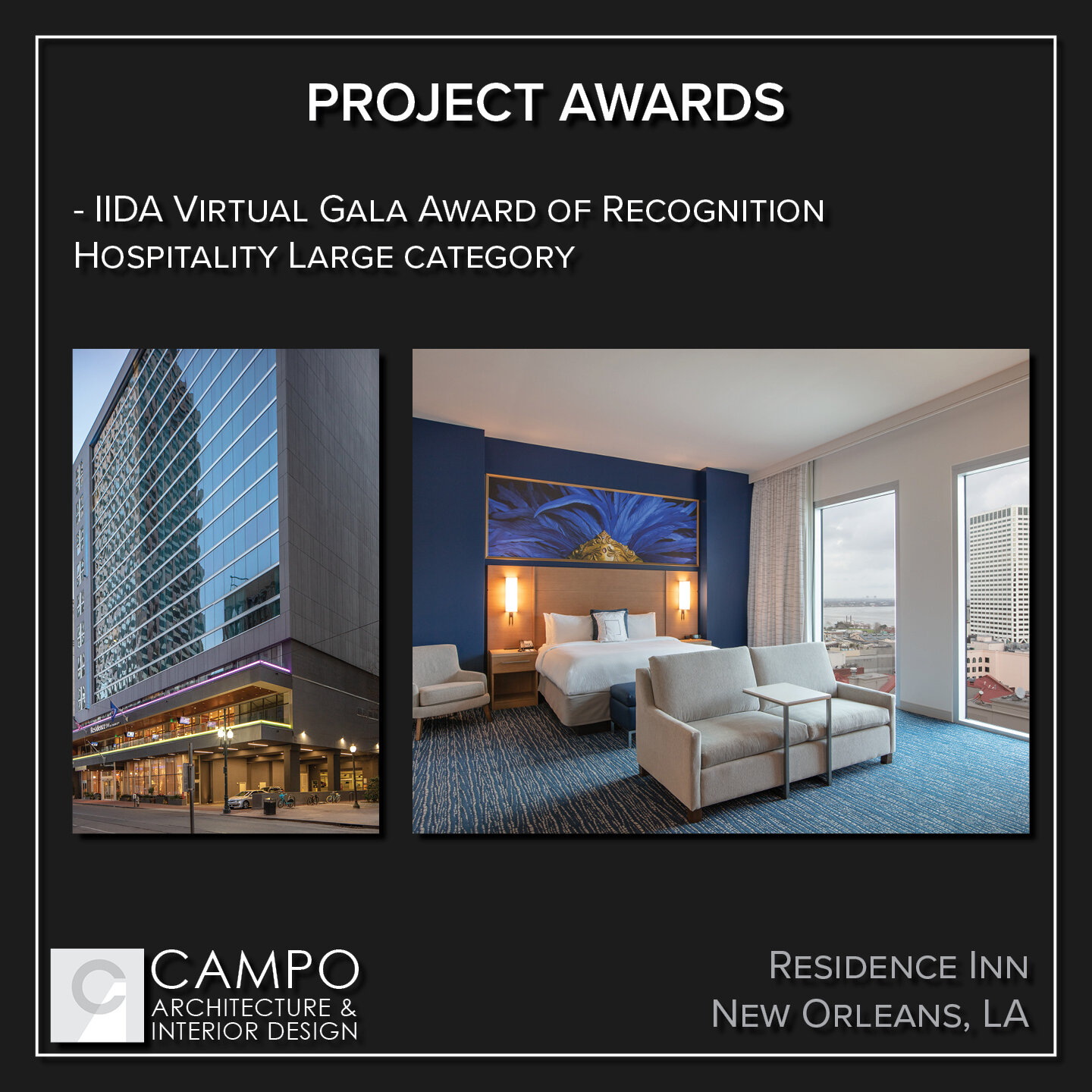
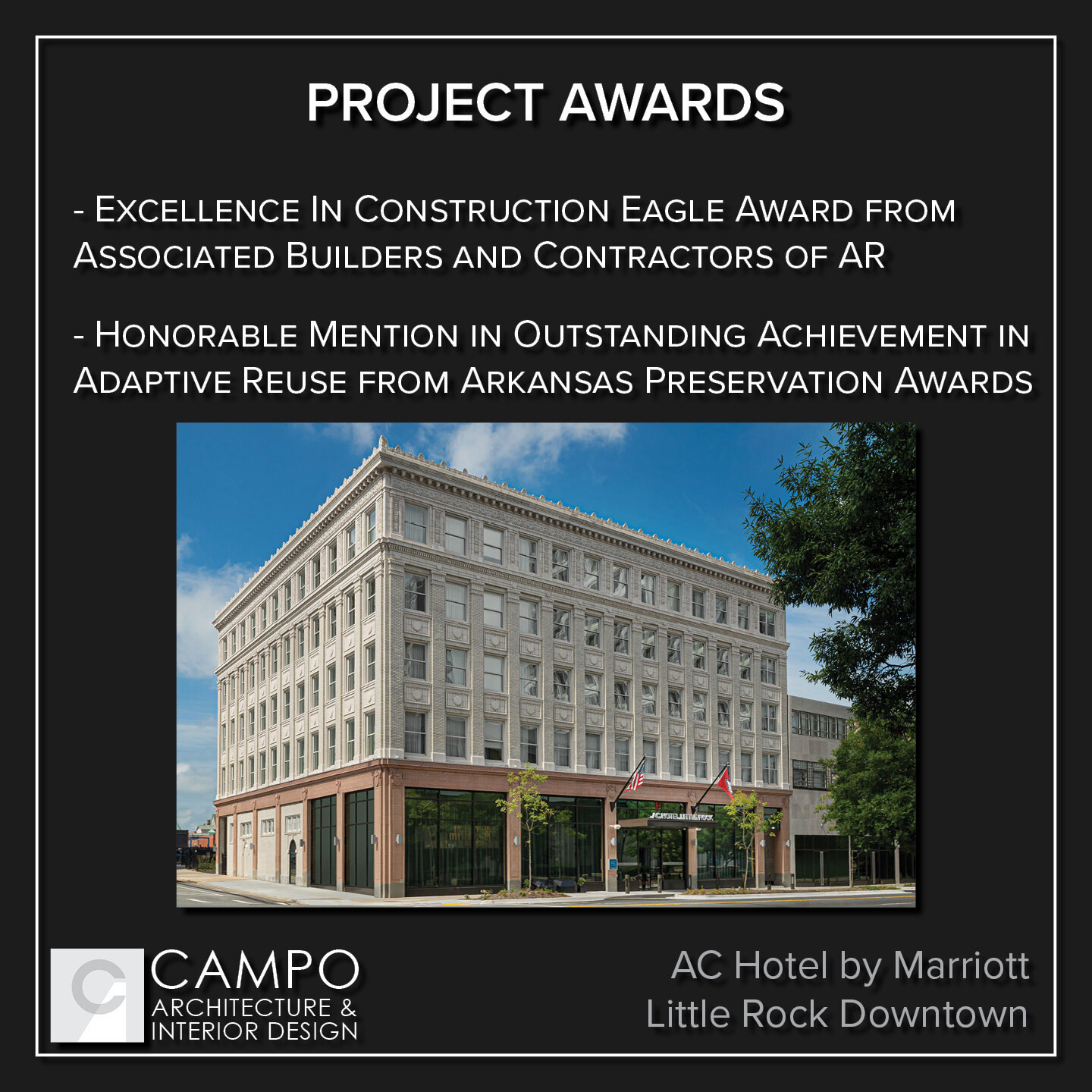
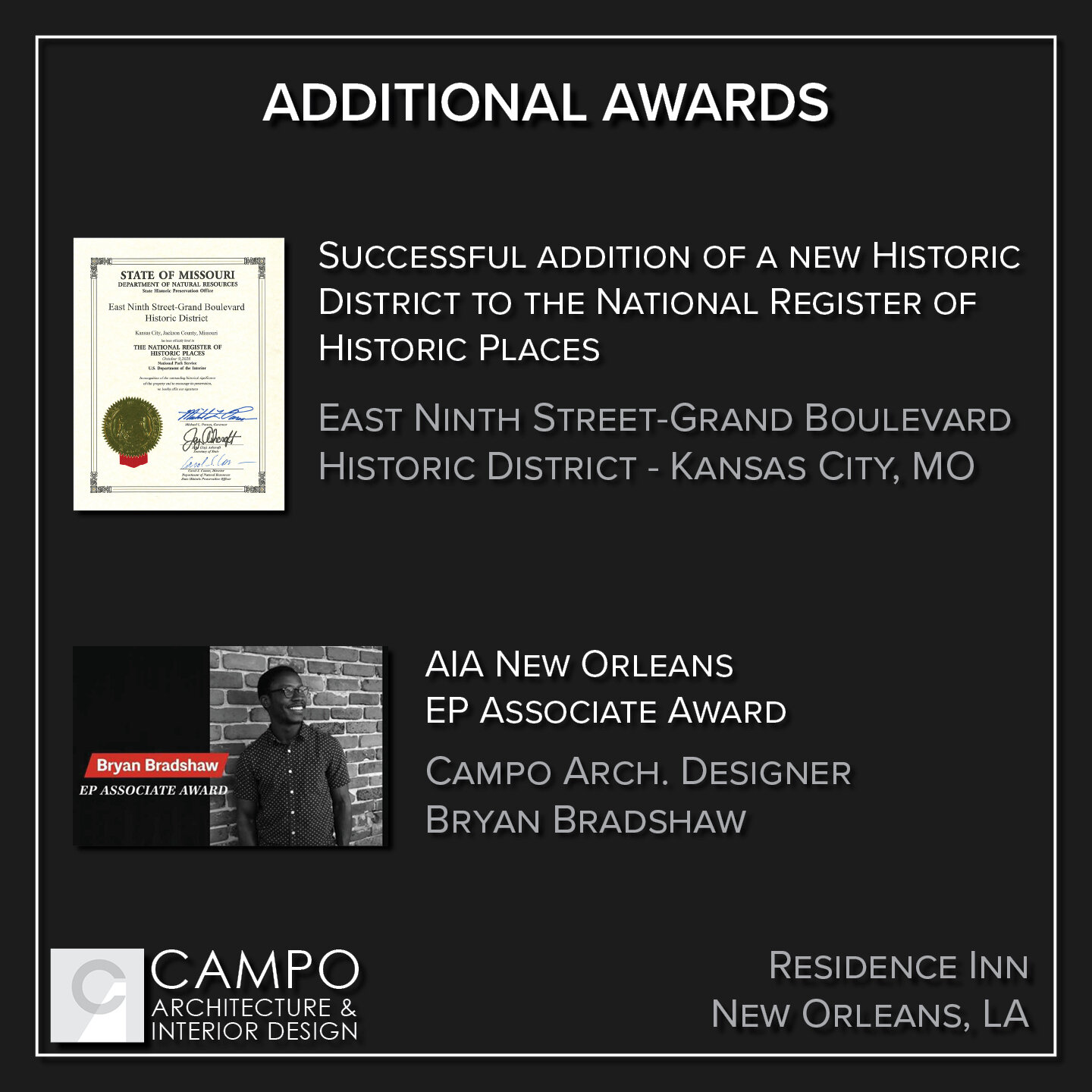
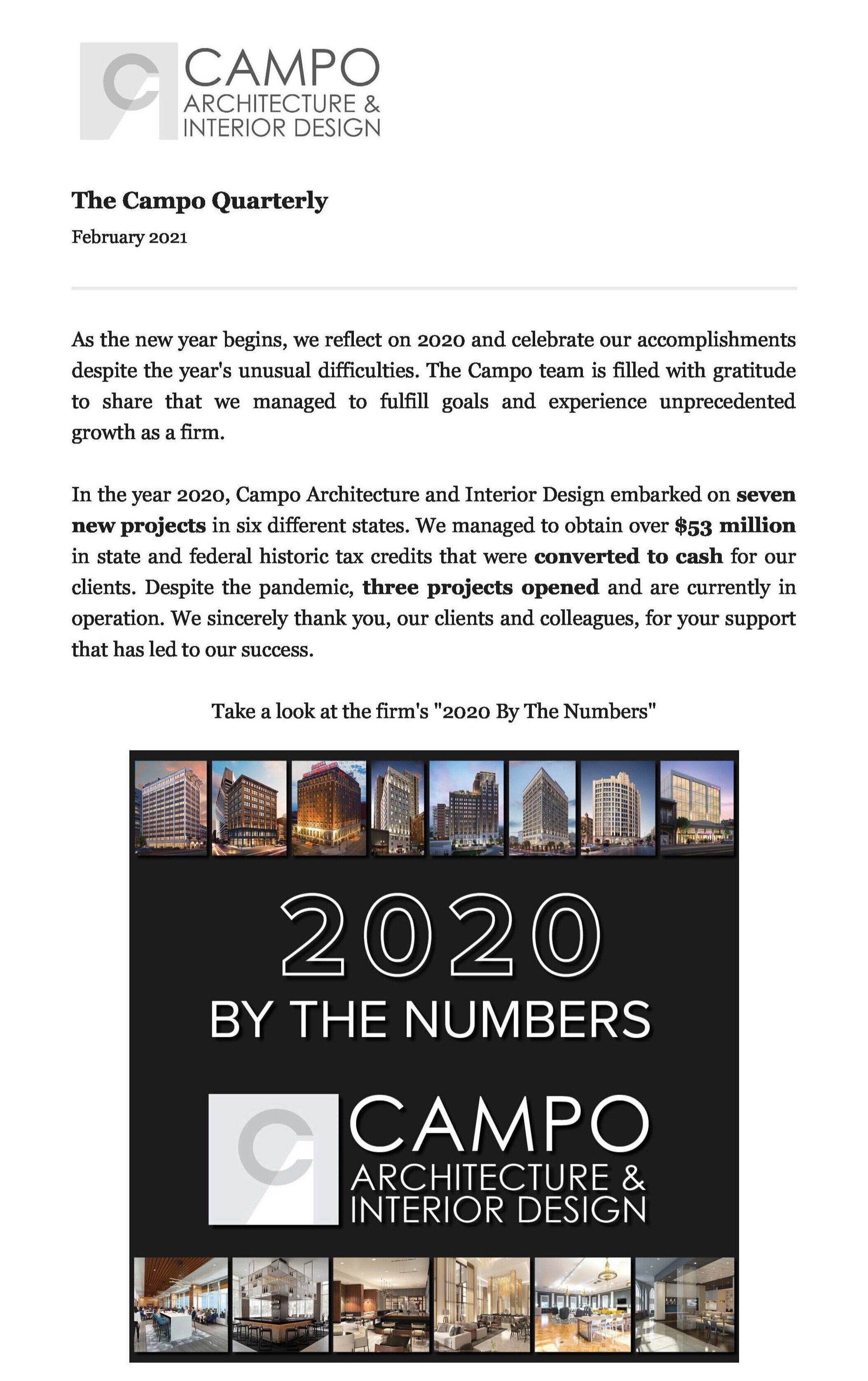
While continuing to work on 15 projects on the boards, we embarked on 7 new projects!
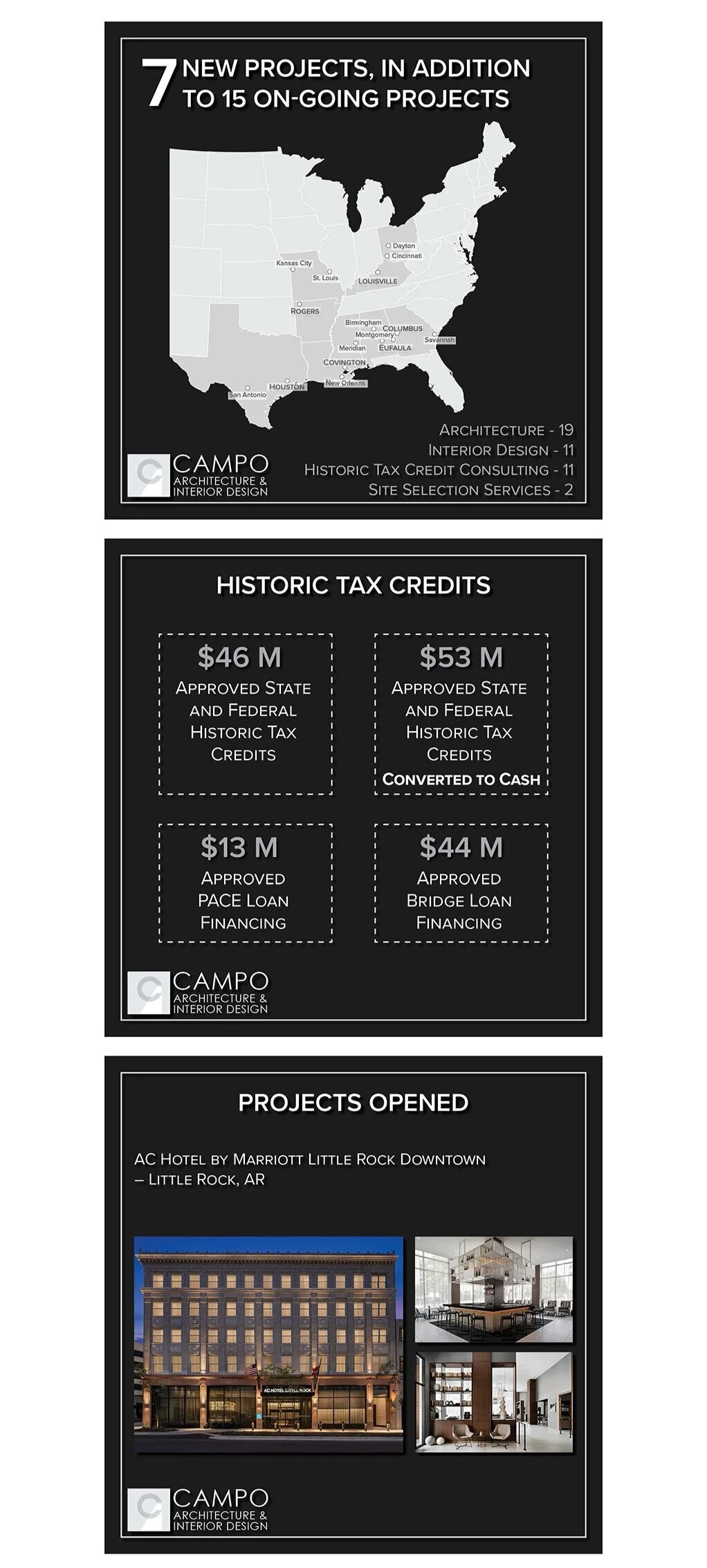
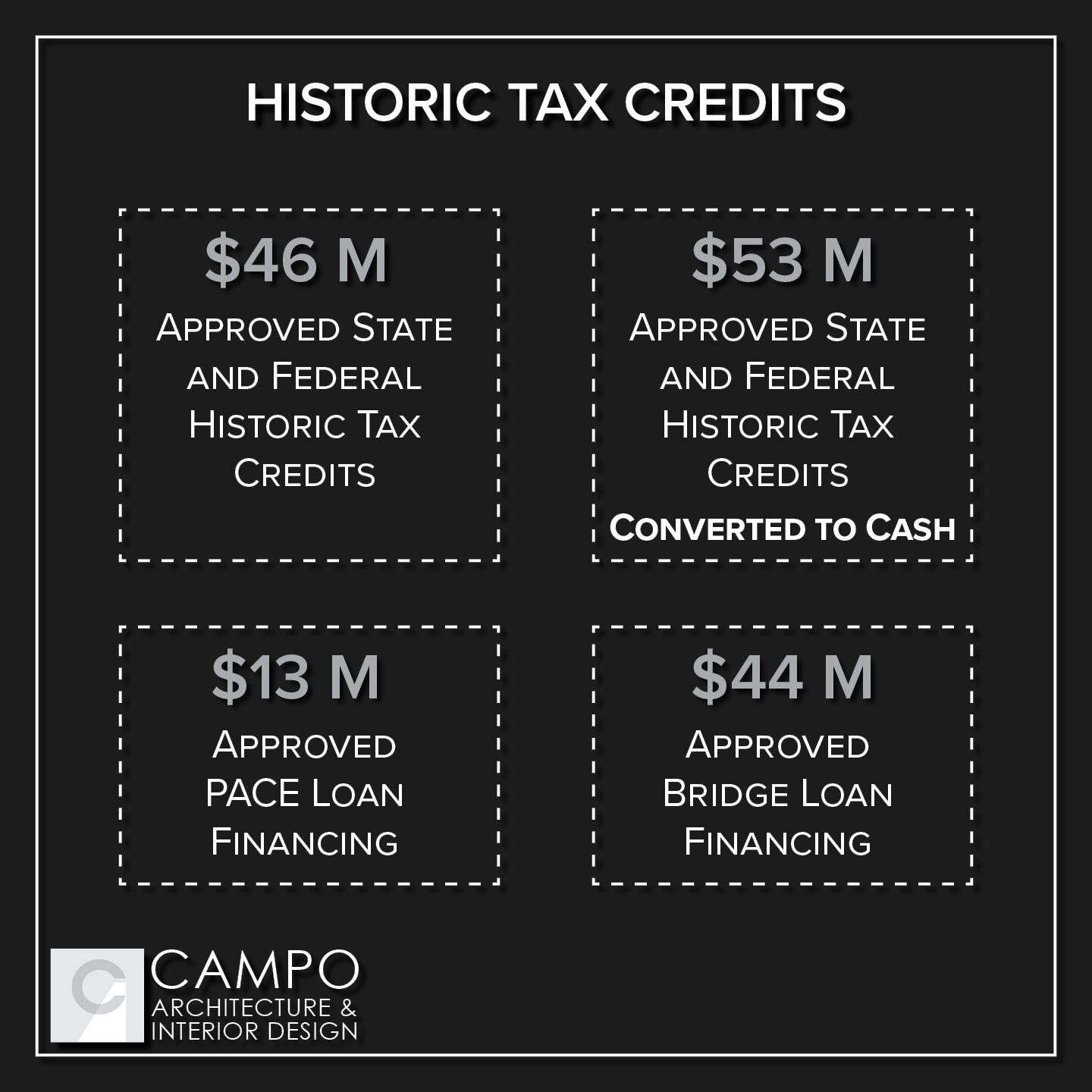
Historic Tax Credit Consulting Results:
o Approved State and Federal Historic Tax Credits: $46 M
o Approved State and Federal Historic Tax Credits Converted to Cash: $53 M
o Approved PACE Loan Financing: $13 M
o Approved Bridge Loan Financing: $44 M
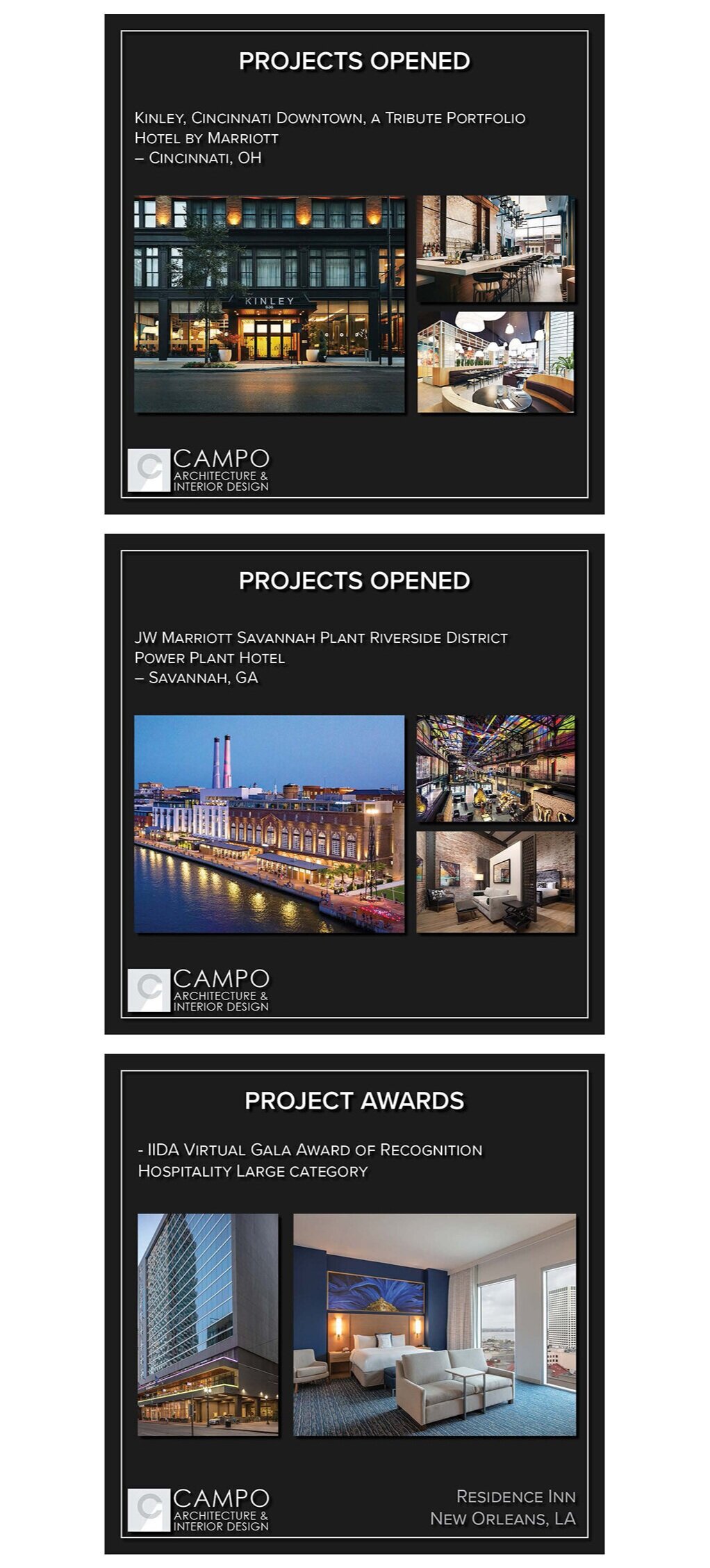
Projects Opened:
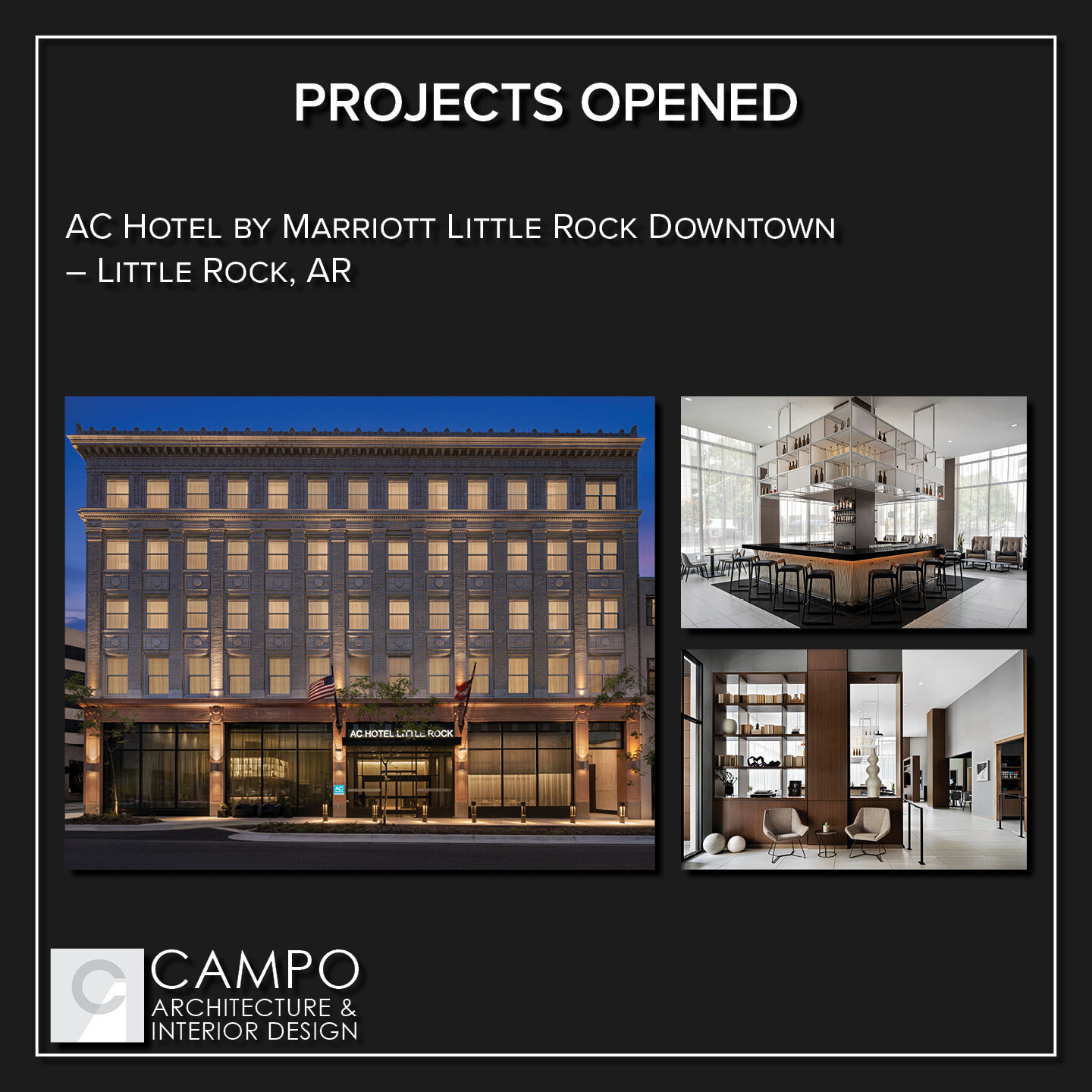
o AC Hotel by Marriott Little Rock Downtown – Little Rock, AR
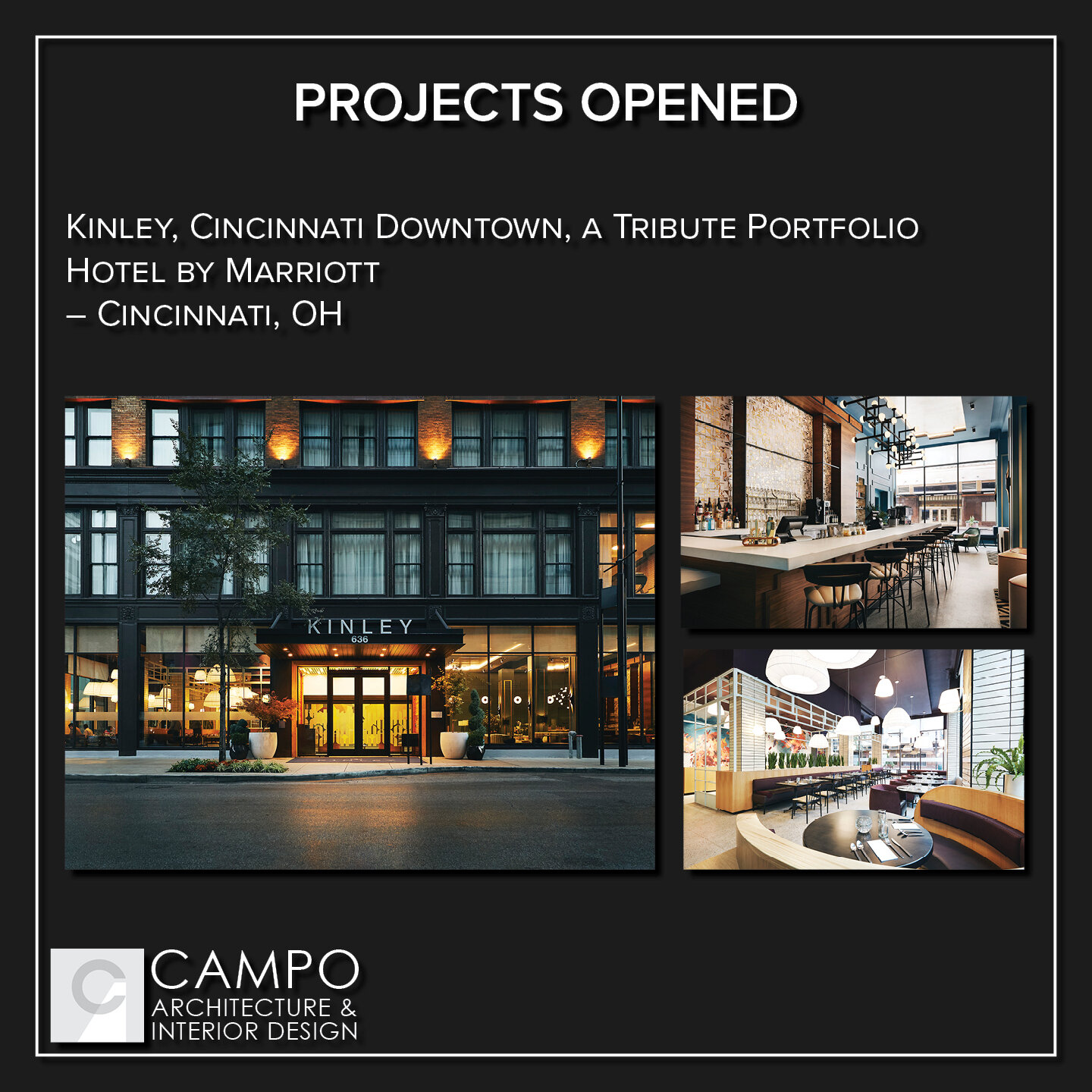
o Kinley, Cincinnati Downtown, a Tribute Portfolio Hotel by Marriott – Cincinnati, OH
o JW Marriott Savannah Plant Riverside District Power Plant Hotel – Savannah, GA
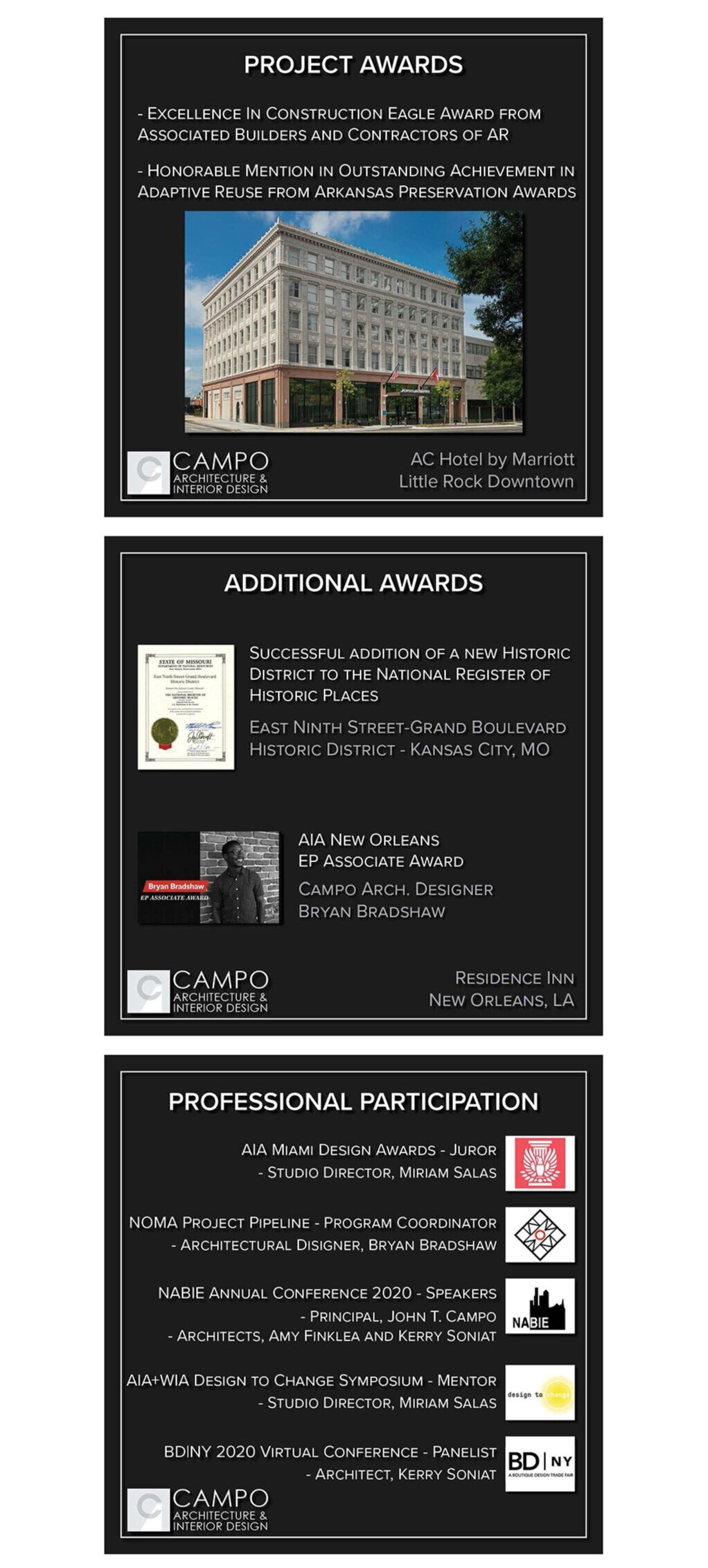
Awards and Accomplishments:
o Residence Inn - New Orleans, LA | IIDA Virtual Gala - Award of Recognition: Hospitality Large
o Campo Architectural Designer Bryan Bradshaw | AIA New Orleans EP Associate Award
o AC Hotel by Marriott Little Rock Downtown – Little Rock, AR – VCC Construction | Excellence in Construction Eagle Award from Associated Builder and Contractors of Arkansas
o AC Hotel by Marriott Little Rock Downtown – Little Rock, AR | Honorable Mention in Outstanding Achievement in Adaptive Reuse from Arkansas Preservation Awards by Preserve Arkansas
o The East Ninth Street-Grand Boulevard Historic District – Kansas City, MO | Addition of a new National Historic District
Conference Participation:
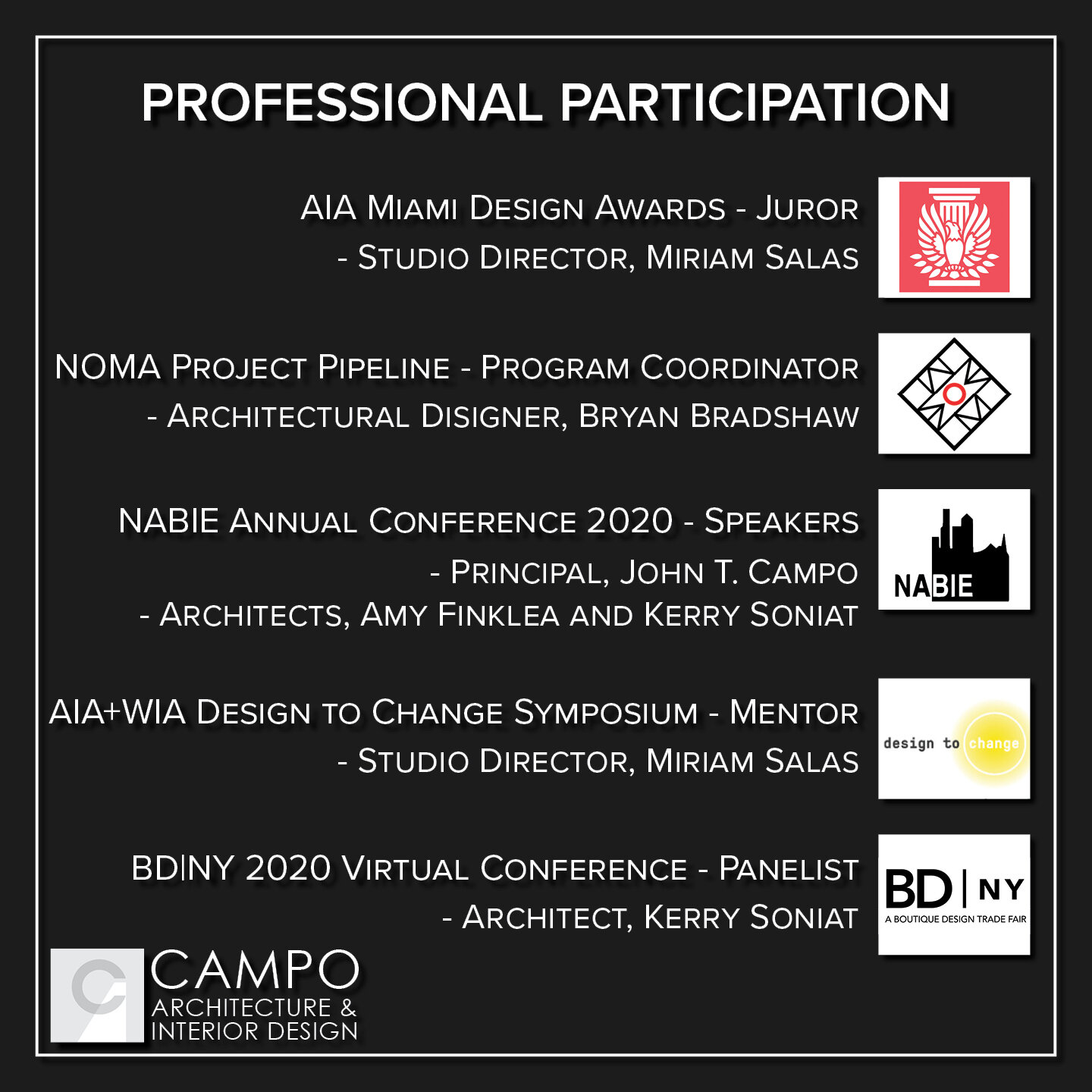
o AIA Miami Design Awards 2020 Virtual Conference | JUROR - MENTOR - Campo Studio Director, Miriam Salas
o NOMA – Project Pipeline | PROJECT COORDINATOR - Campo Architectural Designer, Bryan Bradshaw
o NABIE Annual Conference 2020 | SPEAKERS - Principal, John T. Campo, Architects, Amy Finklea and Kerry Soniat
o AIA + WIA Design to Change Symposium | MENTOR - Campo Studio Director, Miriam Salas
o BDNY 2020 Virtual Conference | PANELIST - Campo Architect, Kerry Soniat
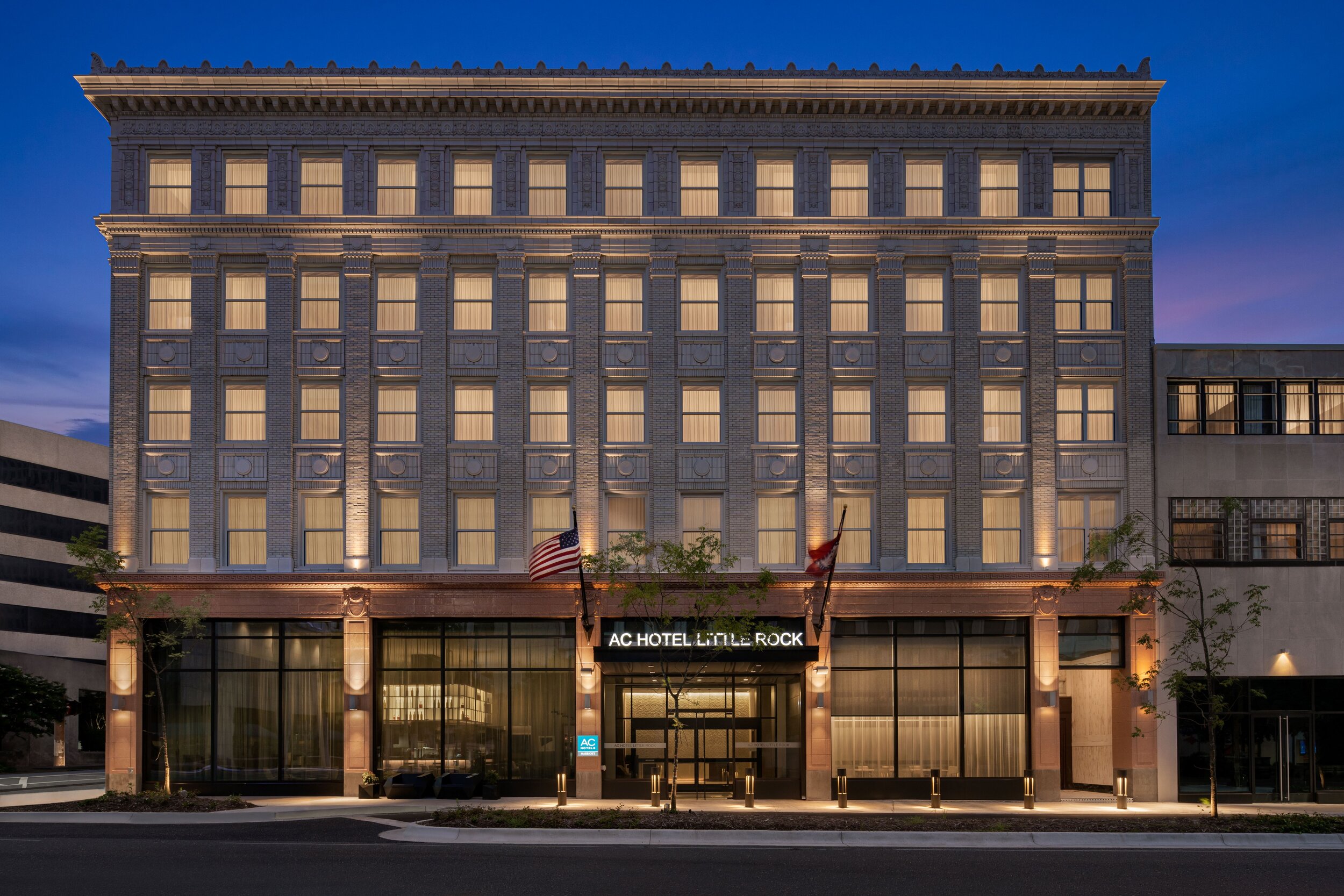
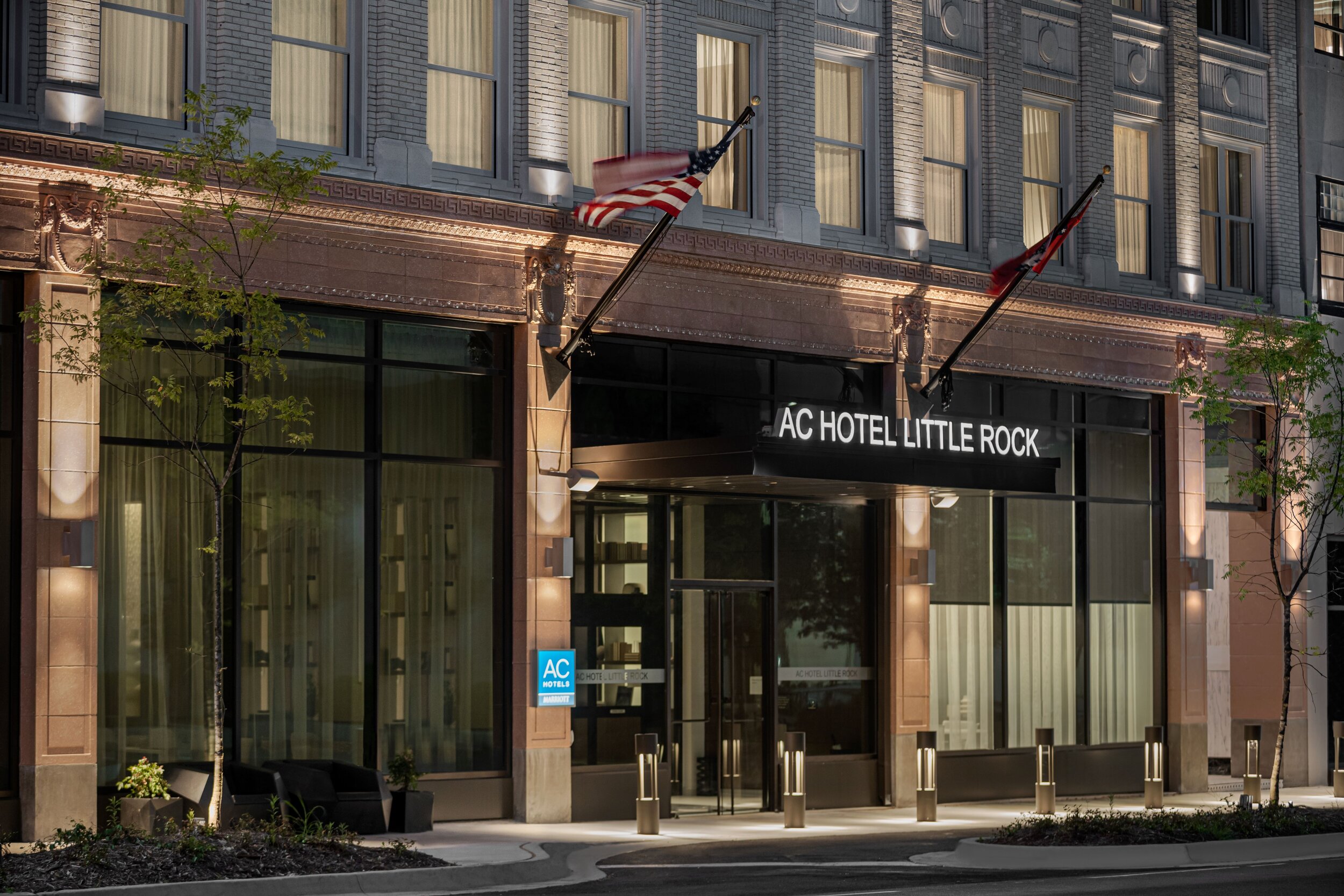
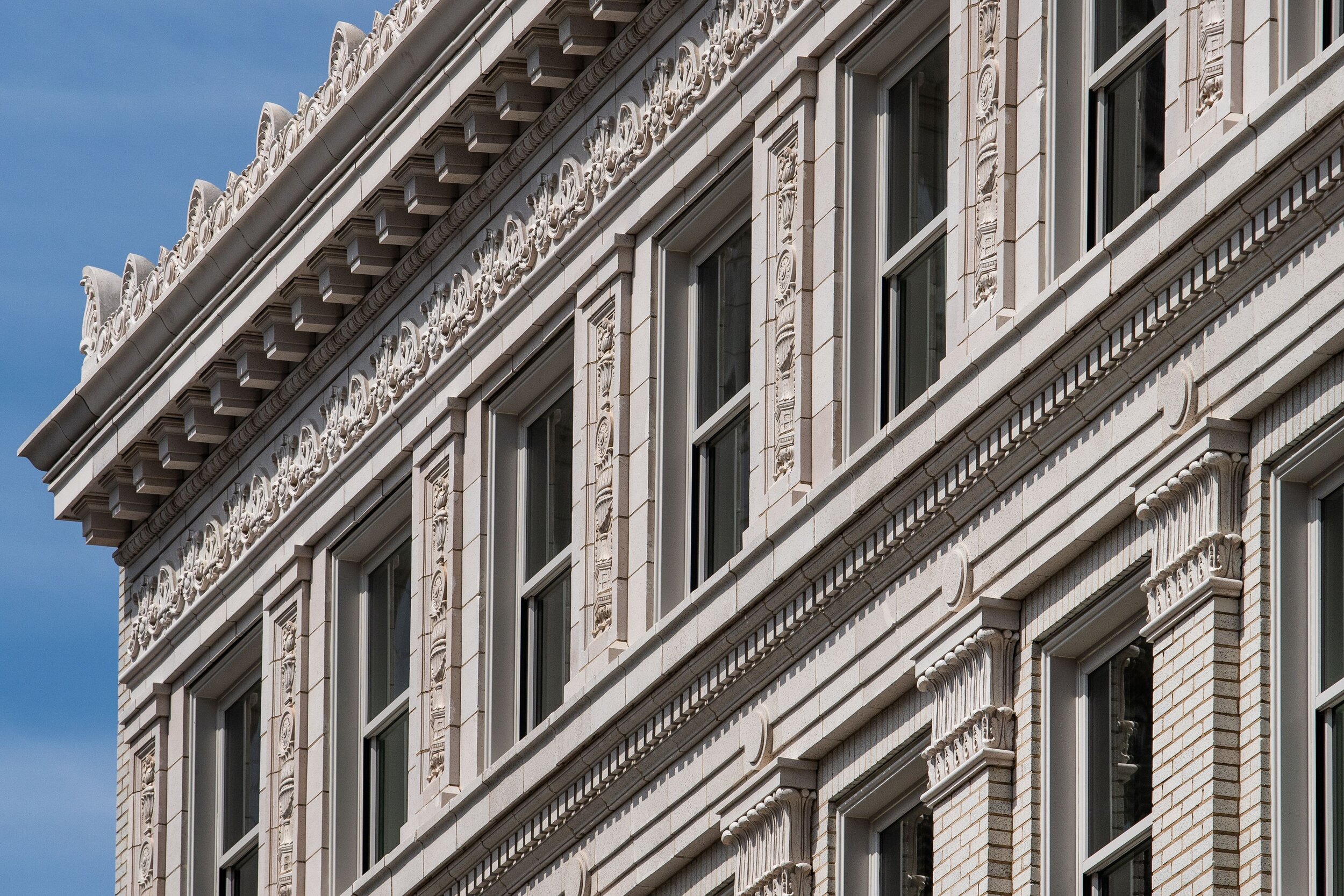
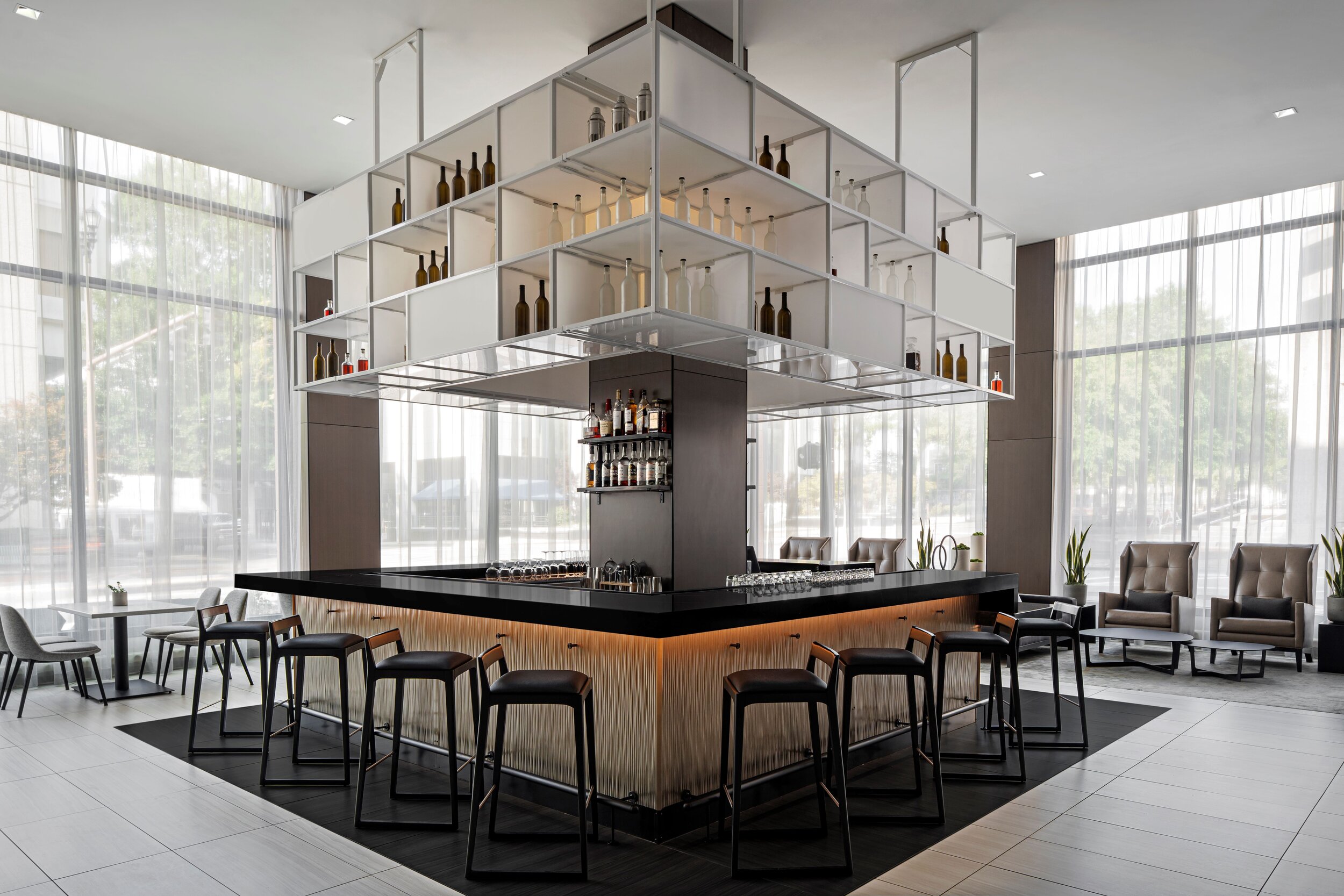
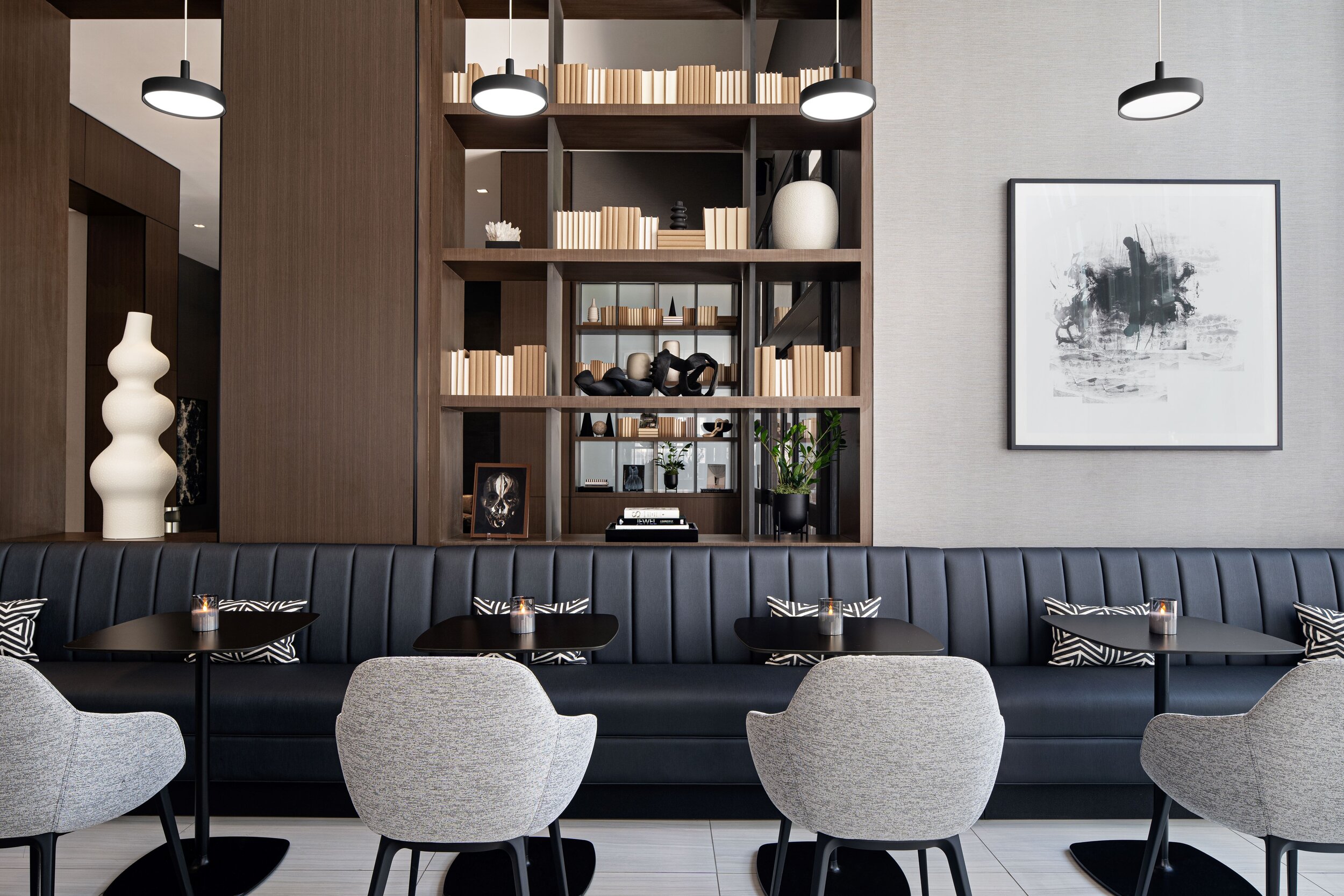
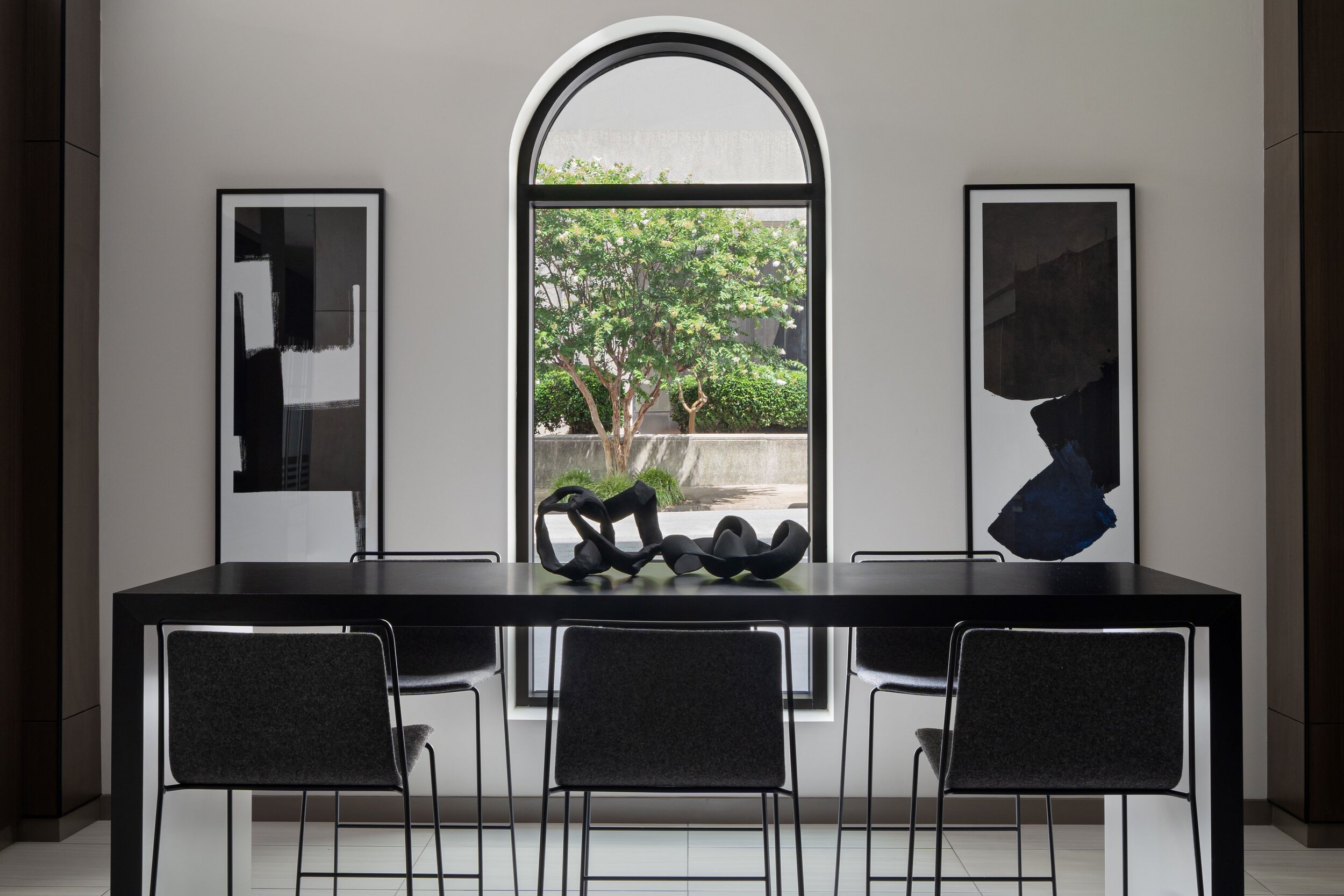
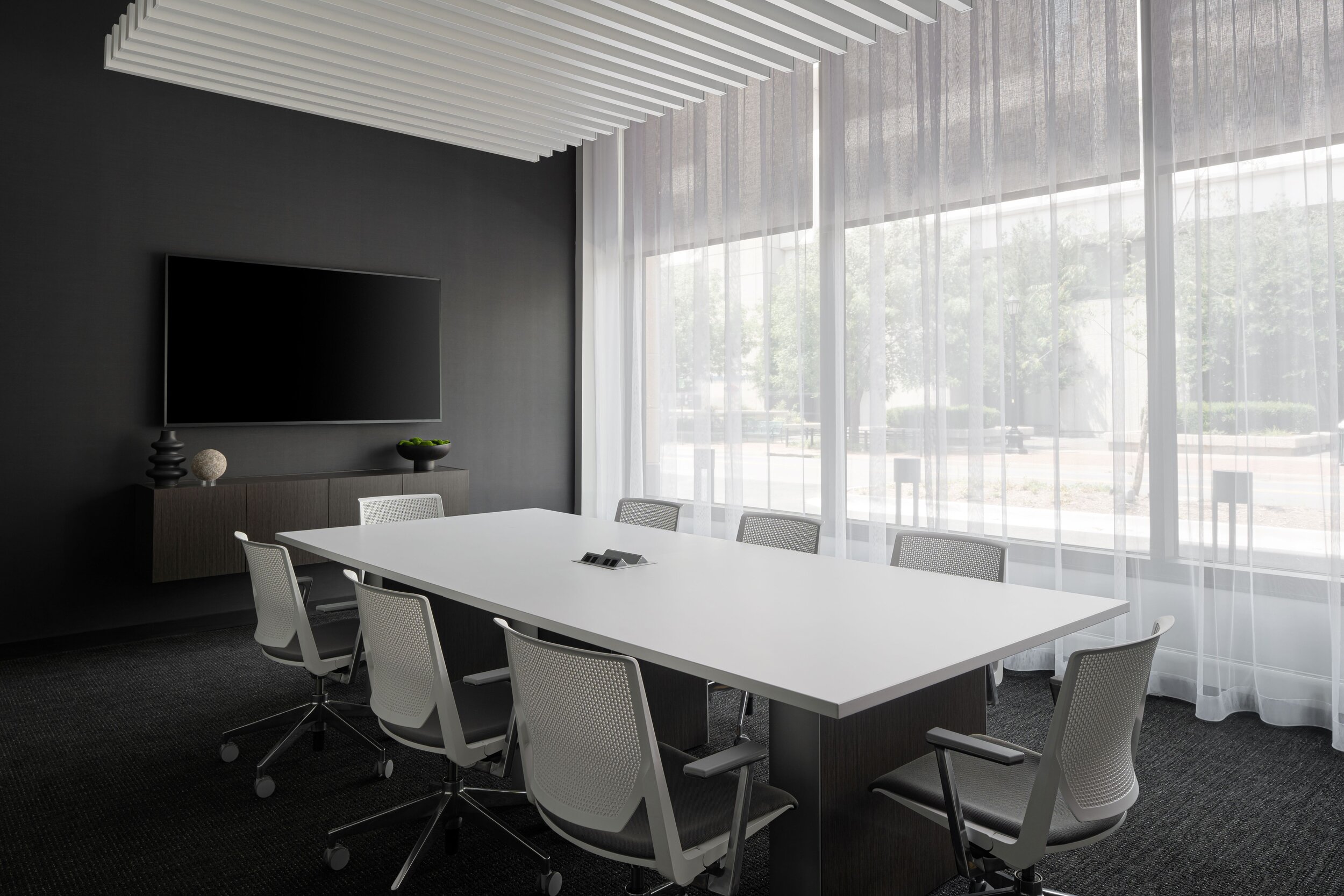
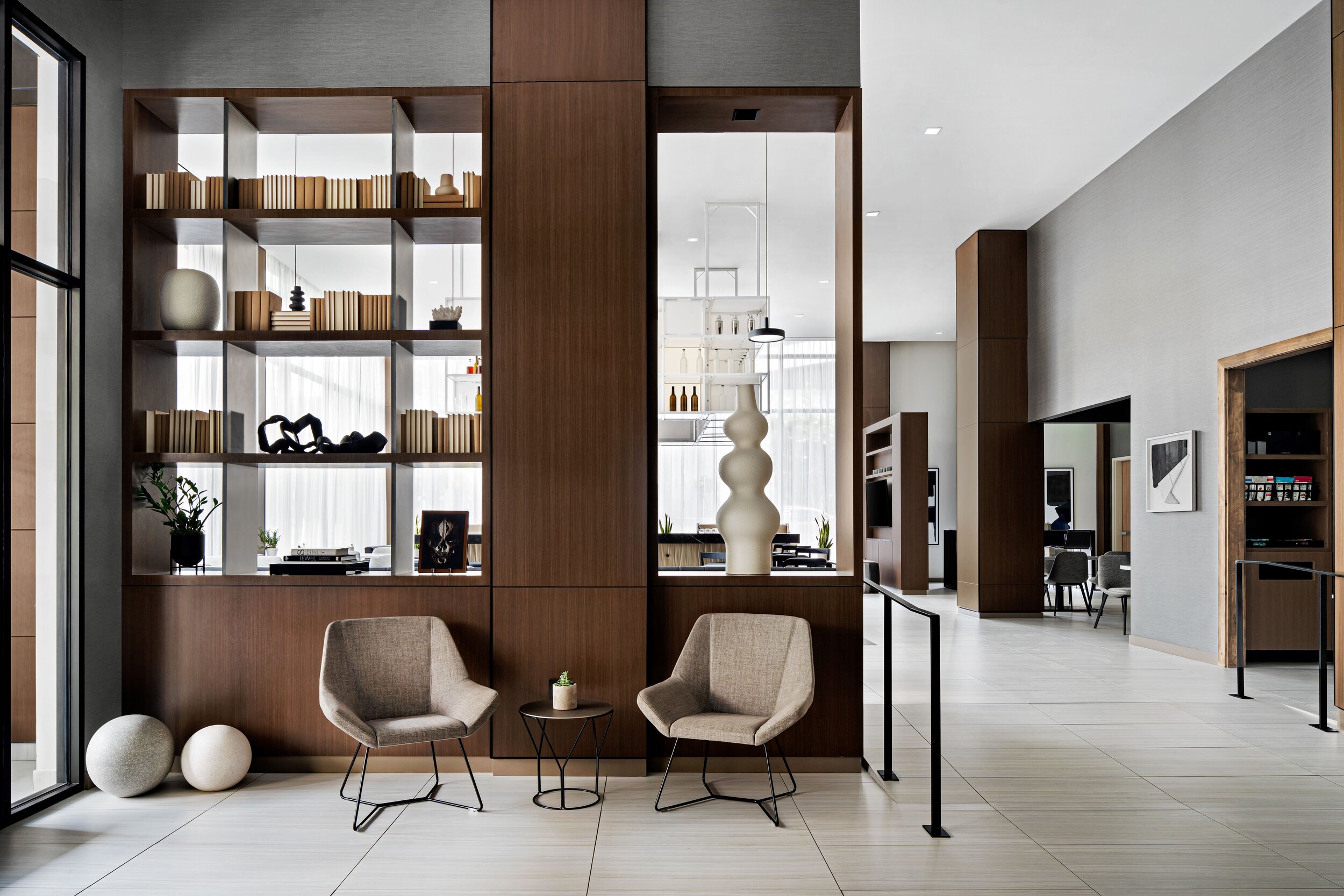
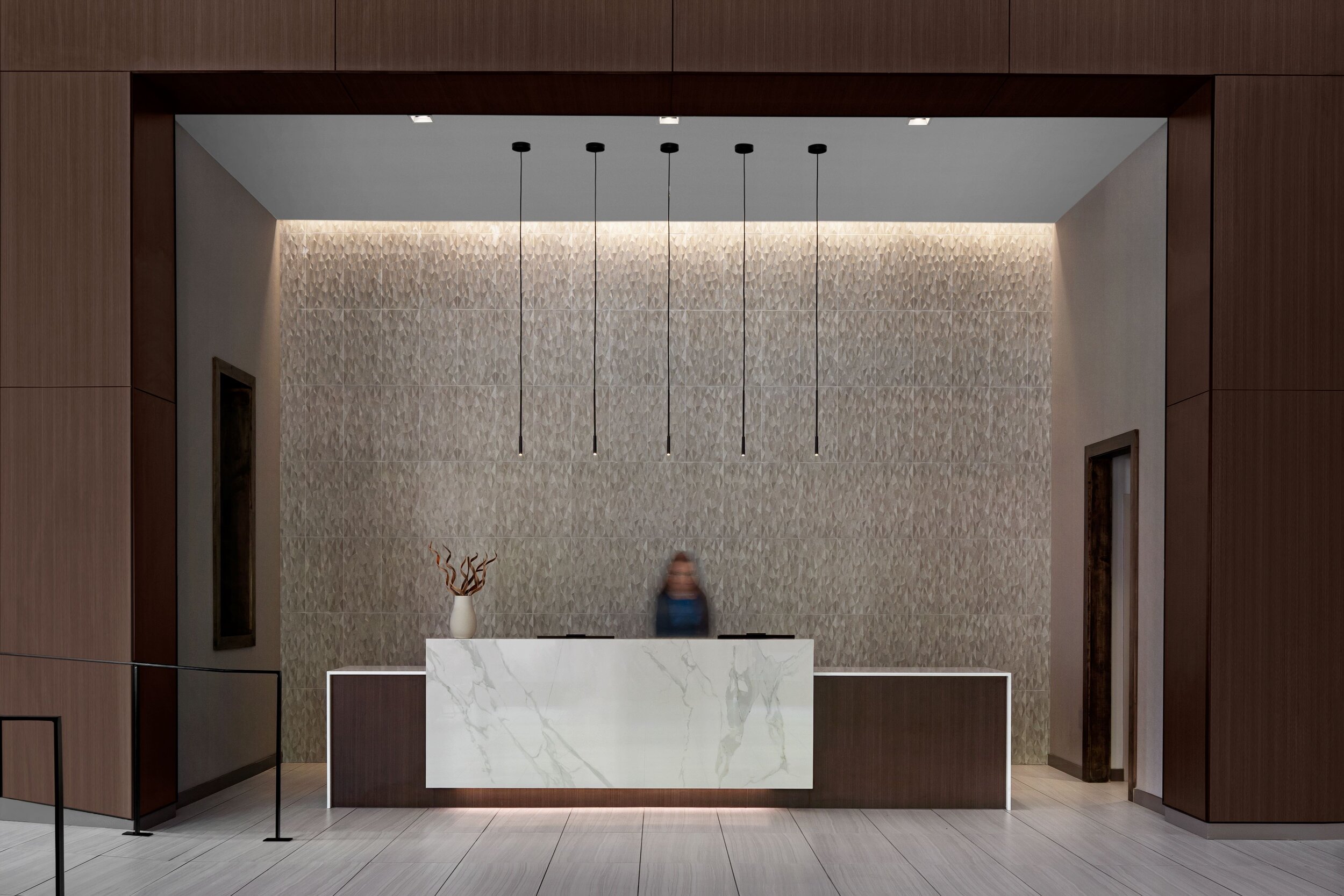
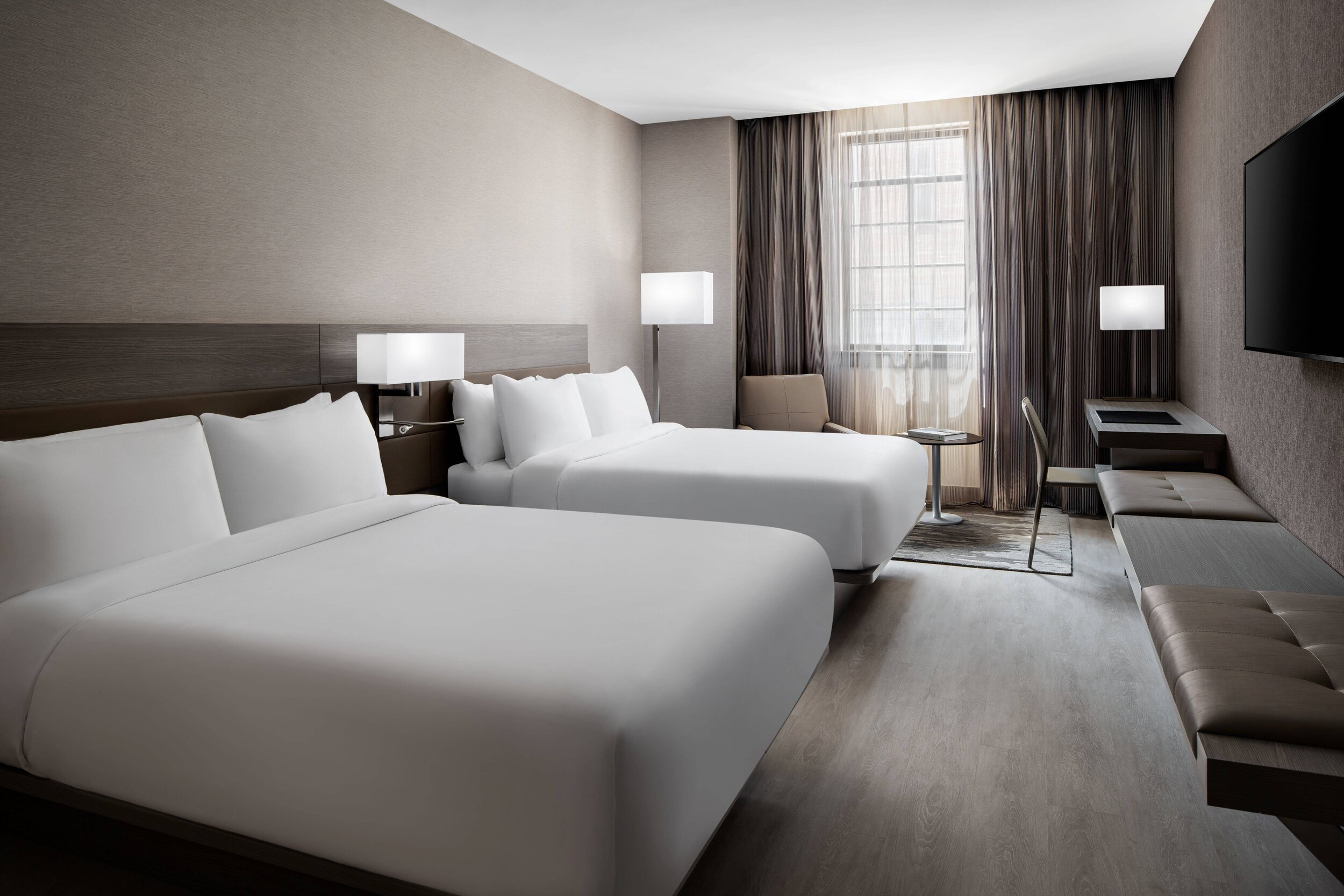
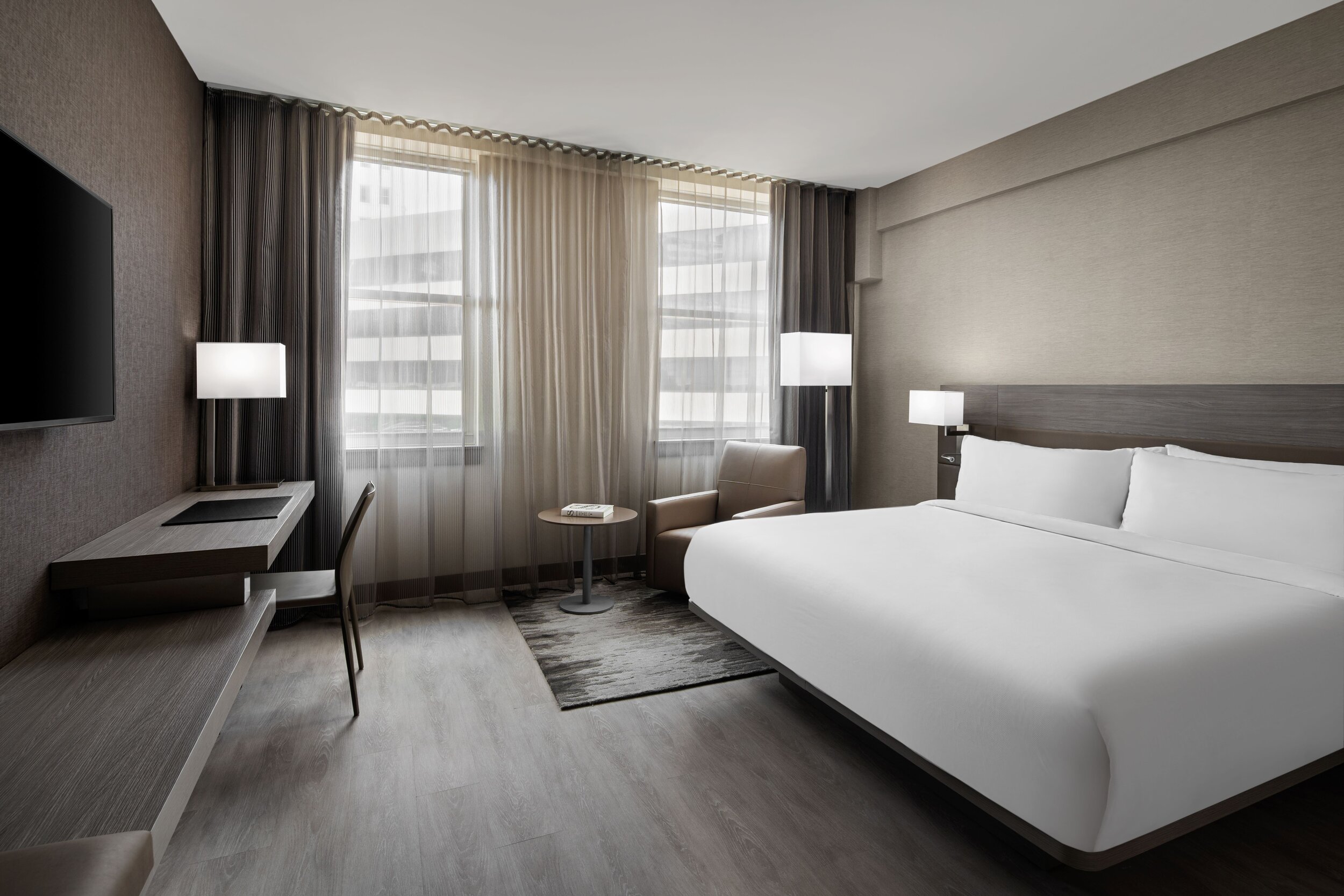
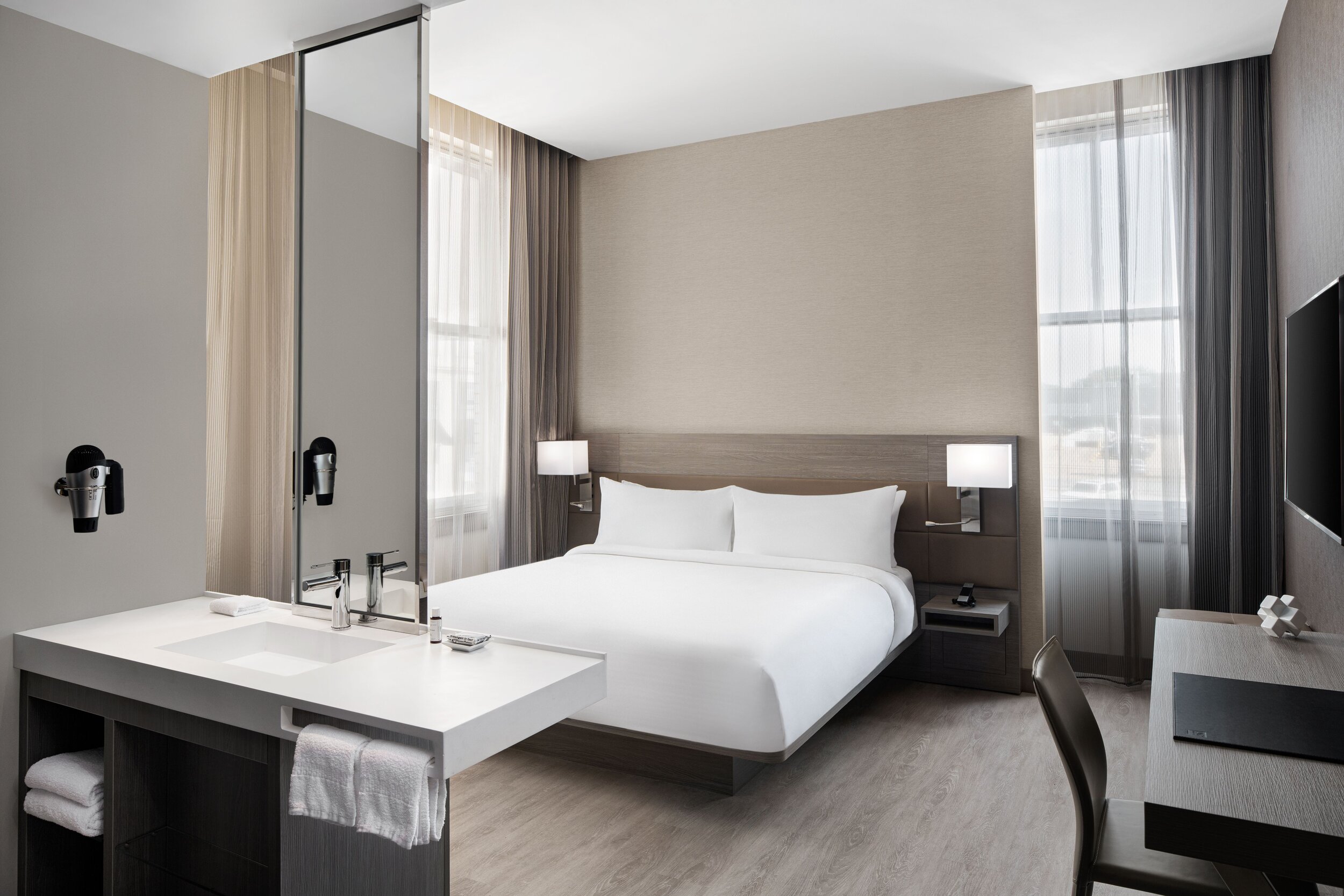
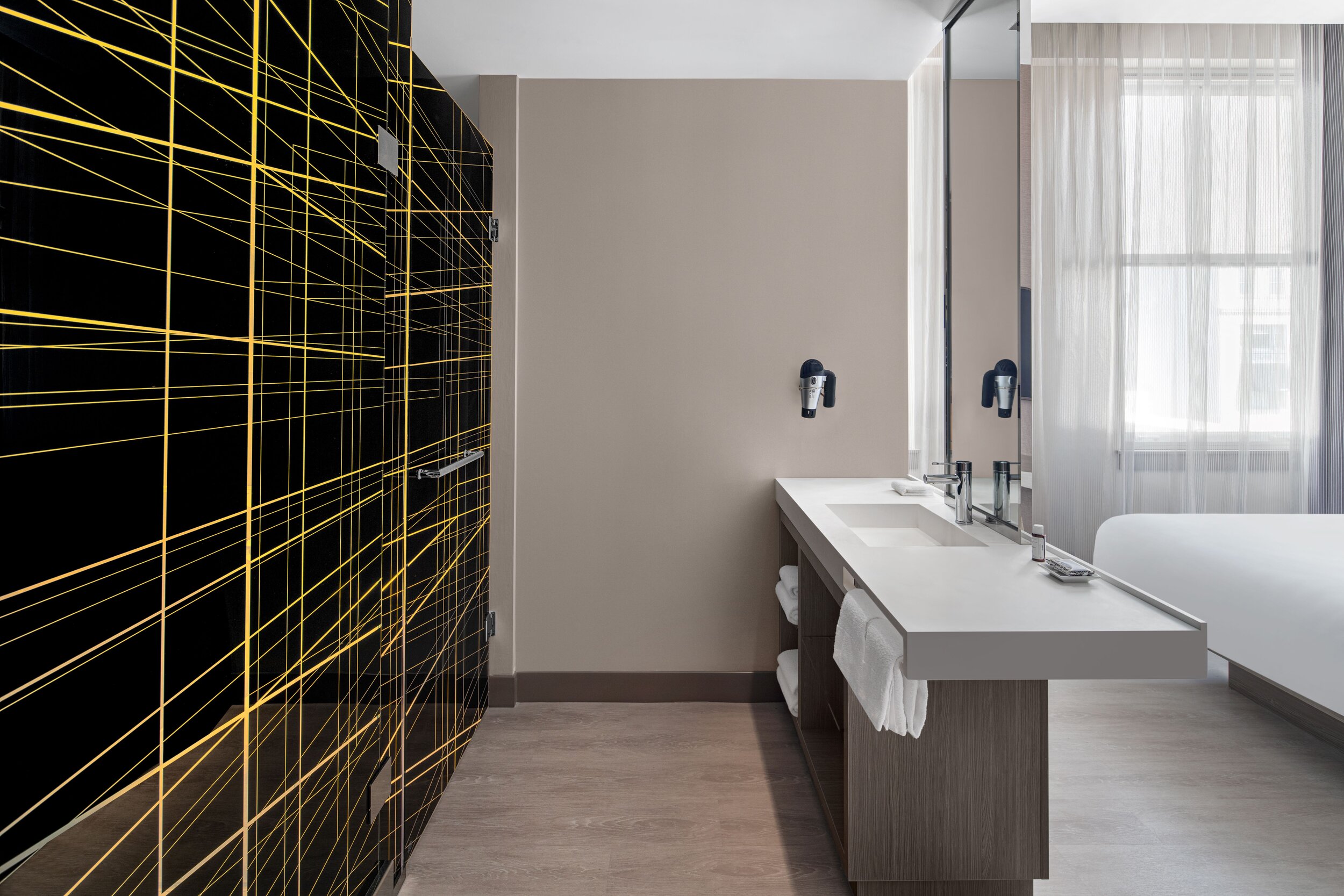
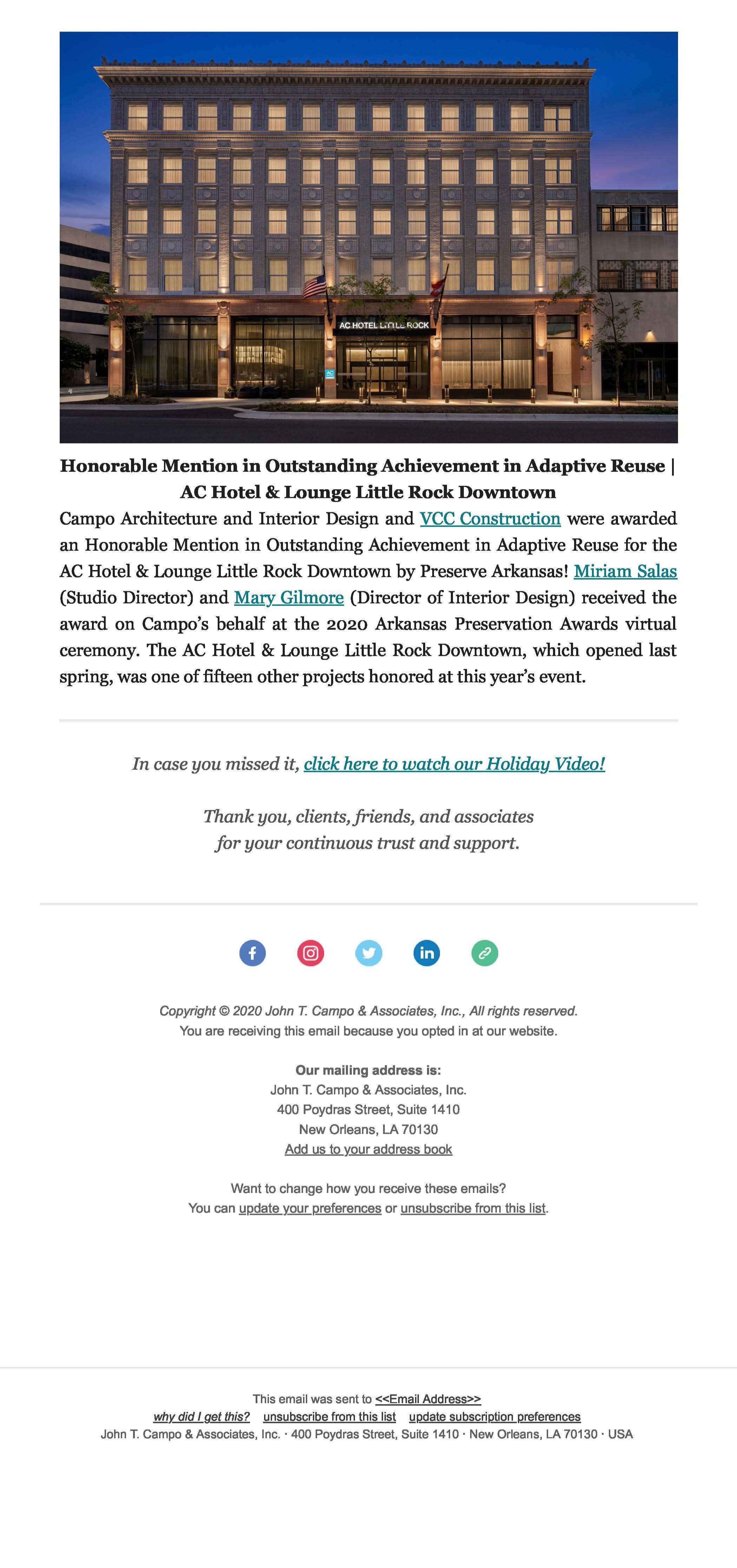
Campo Architecture and Interior Design and VCC Construction were awarded an Honorable Mention in Outstanding Achievement in Adaptive Reuse for the AC Hotel & Lounge Little Rock Downtown by Preserve Arkansas!
Miriam Salas (Studio Director) and Mary Gilmore (Director of Interior Design) received the award on Campo’s behalf at the (2020) Arkansas Preservation Awards virtual ceremony on Friday, January 22nd. The AC Hotel & Lounge Little Rock Downtown, which opened last spring, was one of fifteen other projects honored at this year’s event.
At Campo Architects, we have some outstanding employees on our team. Each month, we’ll be turning the spotlight on one of our team members responsible for bringing our designs to life. Get to know Designer, Kristen Schroeder.
1. How has working at Campo Architects helped you in your career development?
My coworkers and supervisors here at Campo have helped by strongly encouraging me to take the NCIDQ exams, of which I’ve completed one of three.
2. What advice would you give to people who hope to follow a career path similar to yours?
Try to shadow people in this field as much as possible, either through internships or just a week or two. That is something I’d wished I had done when still in school, because working in the field is totally different and has a big learning curve when you are straight out of school.
3. If you could learn to do anything, what would it be?
Woodworking. I love creative and functional designs.
4. What are your hopes for the future of the design industry?
That this industry becomes more environmentally conscious specifically through the use of sustainable and recycled materials.
5. What is something you learned in the last month?
I’m learning more and more Revit every day, teaching myself or asking coworkers questions. That is something in which I feel I am gaining proficiency and confidence.
6. Describe a typical day for you.
During quarantine and working from home: get up, exercise, make coffee, check news, check emails and answer them. Starting the day is usually the same, but the rest of the day is never typical. Our department has a weekly internal ID meeting to talk to one another and get situated with our intentions and tasks for the week. My tasks lately have been managing the ID side of a project in various phases, including lots of drawing production and Revit work, overseeing specification production and coordinating with consultants, as well as attending various meeting with the consultants and clients. There is not one standard typical day.
7. What are your thoughts on working from home?
I love working from home. It was an adjustment at first, because it can be isolating at times. But being able to have flexibility with my schedule and focus on myself has been really nice. I hope to integrate this style of work more often in the future.